Physical Address
304 North Cardinal St.
Dorchester Center, MA 02124
Physical Address
304 North Cardinal St.
Dorchester Center, MA 02124

Explore Birmingham’s civil rights history on this 1 to 1.5-hour walking tour with a knowledgeable local guide, visiting key landmarks like 16th Street Baptist Church.
The 1963 Birmingham Civil Rights Experience – Black History Matters Walking Tour offers an engaging and educational journey through Birmingham, Alabama’s profound civil rights sites. Priced at $50 per person, this tour lasts approximately 1 hour to 1 hour 30 minutes and emphasizes walking through the city’s most significant locations. The tour is led by a guide who grew up in Birmingham, bringing a personal and authentic perspective to the history. With a rating of 4.5 out of 5 from 31 reviews and 94% of participants recommending it, this experience provides a well-rounded look at the city’s pivotal role in the civil rights movement.
What makes this tour stand out is its focus on Black contributions to Birmingham’s founding, the powerful civil rights landmarks, and the insightful storytelling of a local guide. While the tour’s duration is just over an hour, it packs in a variety of sites, making it ideal for those interested in Black history and civil rights. The tour’s walking format also allows visitors to stay active while absorbing rich history firsthand. Its affordability, combined with free access to many stops, makes it a compelling choice for anyone wanting a meaningful experience without a hefty price tag. However, those who want to explore the 16th Street Baptist Church more extensively should consider additional visits since the church’s interior is not included.
This tour begins at the corner of 3rd Ave and 20th St North, setting the scene for Birmingham’s Black contributions to the city’s development. The guide discusses 1926 Red Line Zoning laws, the Palm Leaf Hotel, and the Chitlin’ Circuit, providing context on the systemic segregation of the era. This initial stop offers a historic overview of how Birmingham’s Black community shaped its early years.
Next, the tour visits Eddie Kendrick Memorial Park, a tribute to a local founder of the Temptations. The park features statues and remnants of Birmingham’s once vibrant “city within a city” neighborhoods like Nelson Brothers and Green Acres. This site highlights the Black entrepreneurial spirit and community resilience.
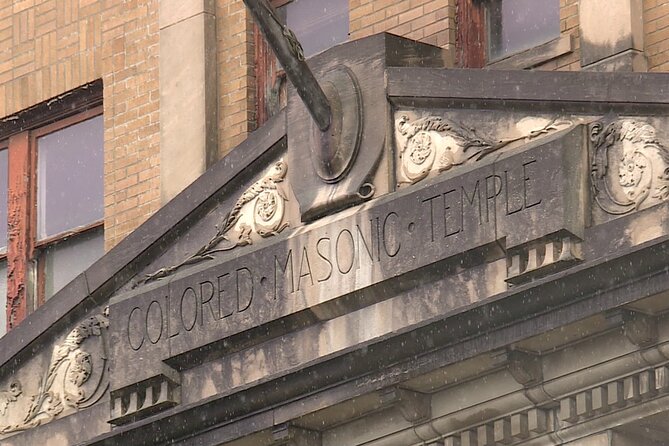
The Civil Rights National Historic Monument is another key stop, serving as a central point in Birmingham’s civil rights landscape. Its significance lies in its role as a symbol of the movement and as a location for many historic activities. Moving on, the Carver Theater, now home to the Jazz Hall of Fame, was once one of Birmingham’s premier Black theaters. The tour also features the Prince Hall “Colored” Masonic Lodge, adding to the rich cultural history of the Black community.
If you're drawn to exploring Birmingham on foot, we've looked into these other walking experiences
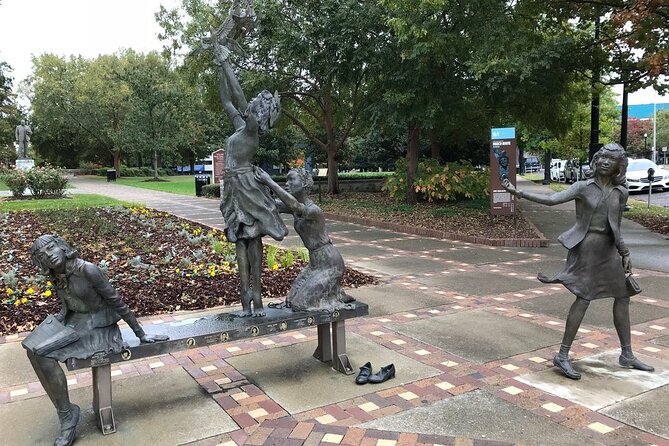
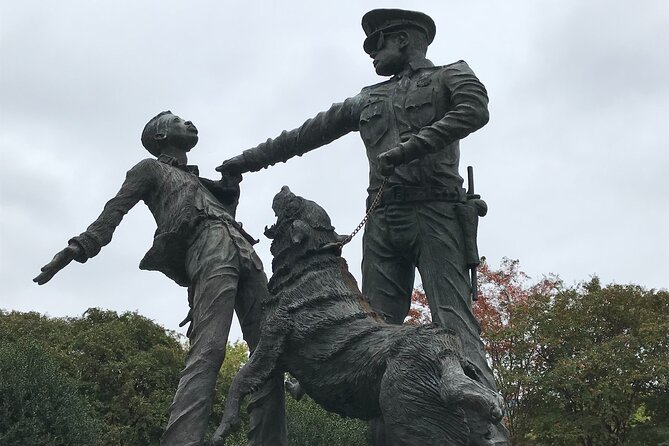
One of the most impactful stops is Kelly Ingram Park, a site that witnessed many civil rights protests. The park now hosts emotionally powerful sculptures depicting Birmingham’s civil rights struggle, serving as a stark reminder of the fight for racial equality. The park was a gathering spot for groups like the Southern Christian Leadership Conference, making it a meaningful part of the tour.
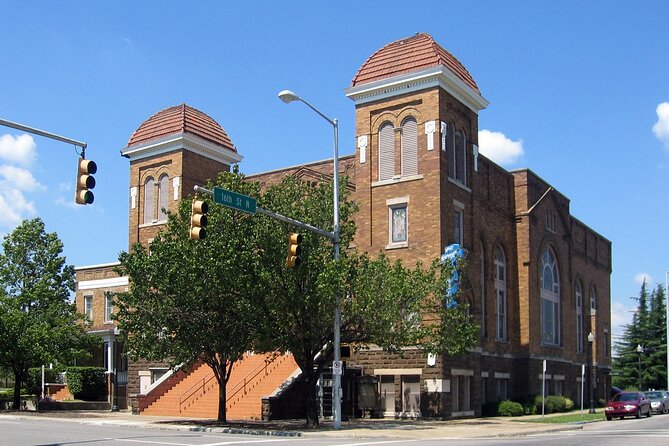
Arguably the most poignant stop is 16th Street Baptist Church, infamous for the racially motivated bombing in 1963 that took the lives of four young girls. This site is a powerful symbol of civil rights sacrifice and ongoing efforts for racial justice. While the interior is not included in this tour’s fee, the exterior and memorials speak volumes about the tragic history and the resilience of Birmingham’s Black community.
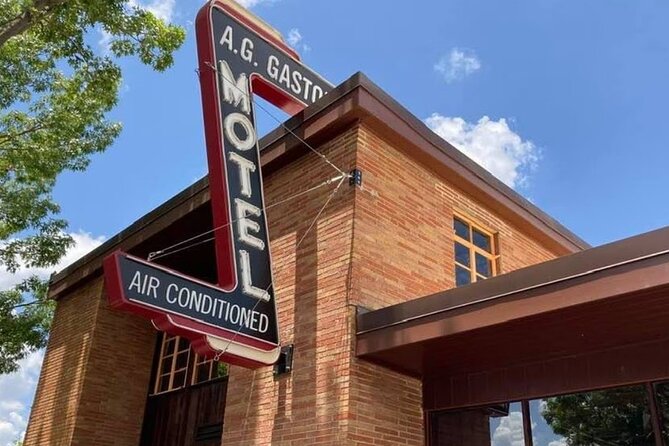
The A.G. Gaston Motel, built in 1954, was a hub for Black travelers and entrepreneurs in Birmingham. Designed by Stanley B. Echols, the motel represents Birmingham’s Black economic progress. It served as a meeting point for civil rights leaders and local business figures, highlighting the interconnectedness of civil rights activism and Black entrepreneurship.
The Lyric Theatre remains the only standing theatre that allowed mixed audiences, although segregation persisted. This site offers insight into racial divisions in entertainment, showcasing how Birmingham’s Black community navigated segregation while creating shared cultural spaces.
Interested in history? Here are other past-focused experiences we've examined in Birmingham
This walking tour departs from 285 20th St N, Birmingham, and concludes at the same point, making it easy to access. The group size is limited to 30 travelers, ensuring an intimate experience. The tour is suitable for individuals with moderate physical fitness, as it involves walking through various sites across Birmingham. Most stops are free to enter, with the church itself not included in the price.
The tour receives praise for its knowledgeable guide and local insights. Guides like Wilhelmina are highly recommended for their storytelling ability and deep familiarity with Birmingham’s civil rights history. Multiple reviews mention the personal experience shared by the guide, which enriches understanding.
Some reviews note issues like confusion over meeting points or short duration, but overall, the tour’s educational value and personal touch shine through. The guides’ patience and depth of knowledge leave a lasting impression, making this tour a valuable experience for those seeking a meaningful, compact overview of Birmingham’s civil rights history.
The experience is booked on average 26 days in advance, emphasizing its popularity. Free cancellation is available up to 24 hours before the start, offering flexibility. The tour is accessible to service animals and suitable for most participants, but involves some physical activity.
This tour offers a thoughtful introduction to Birmingham’s civil rights history, packed with notable landmarks and personal stories. Its affordability and interactive format make it attractive for curious visitors or those pressed for time. The local guide’s expertise ensures that the history feels genuine and engaging.
While the duration is relatively short, the depth of information and site selection compensate. It’s ideal for history buffs, visitors interested in Black history, and anyone seeking an authentic perspective from a Birmingham local. The tour’s free stops and well-chosen landmarks make it a cost-effective way to understand the city’s civil rights legacy.
Is this tour suitable for all ages?
Yes, the tour suits most ages, especially those with moderate physical fitness, as it involves walking through various historical sites.
Are tickets refundable if I cancel?
Yes, you can cancel up to 24 hours in advance for a full refund. Cancellations made less than 24 hours before the start are not refunded.
Does the tour include interior visits of sites like the 16th Street Baptist Church?
No, the interior of the church is not included in the tour fee. Visitors are advised to explore the church independently if they wish.
How many stops are included in the tour?
The tour visits seven main stops, including parks, theaters, historic landmarks, and memorials.
What should I bring or wear?
Comfortable walking shoes are recommended, as the tour involves around 80-150 words per stop of walking and exploration.
Is parking available nearby?
Yes, there is a parking garage about a block away from the meeting point, making access straightforward.
This 1963 Birmingham Civil Rights Experience offers a compact, insightful look into a pivotal chapter of American history. Its focus on personal stories and key landmarks ensures visitors walk away with a deeper understanding of Birmingham’s role in the civil rights movement, making it a meaningful addition to any visit.