Physical Address
304 North Cardinal St.
Dorchester Center, MA 02124
Physical Address
304 North Cardinal St.
Dorchester Center, MA 02124

Discover Belgrade’s unique socialist and brutalist architecture on this private 2.5-hour tour led by an expert art historian. Visit iconic buildings and learn their stories.
The Belgrade: Socialist Brutalist Architecture Private Tour offers a fascinating look at the city’s architectural history through the lens of socialist and brutalist styles. Priced at a competitive rate and lasting 2.5 hours, this experience is ideal for those interested in architecture, political history, or urban development. The tour departs from in front of the Museum of Contemporary Art, located in Belgrade’s vibrant district, and explores five key sites in New Belgrade that exemplify the city’s socialist era.
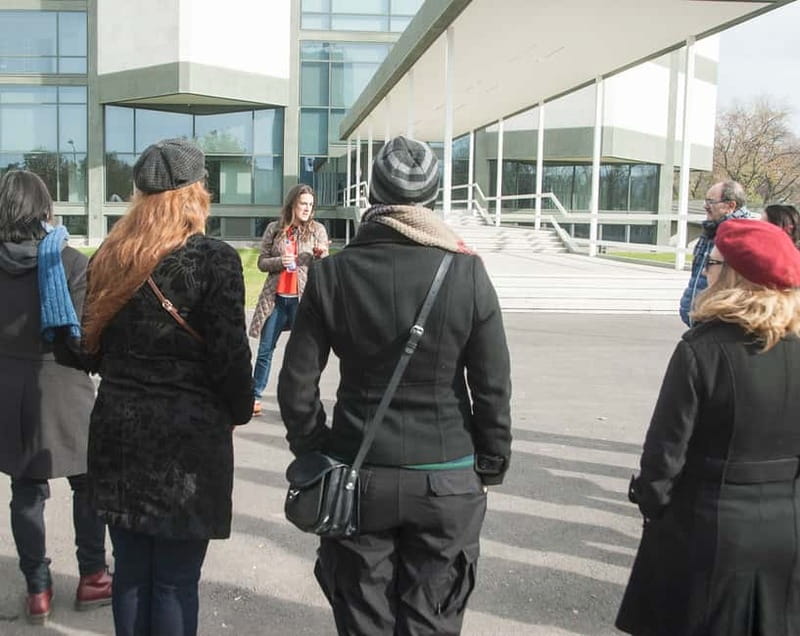
What makes this tour stand out is its focus on buildings that gained international recognition, including features at MoMa New York and the Venice Biennale. The guide, an art historian with firsthand experience living in socialist housing, brings a personal and insightful perspective that deepens understanding. However, it’s worth noting that the tour involves outdoor walking and visits to large structures, so comfortable footwear is recommended. This tour suits architecture enthusiasts and history buffs eager to see a different side of Belgrade’s urban landscape.
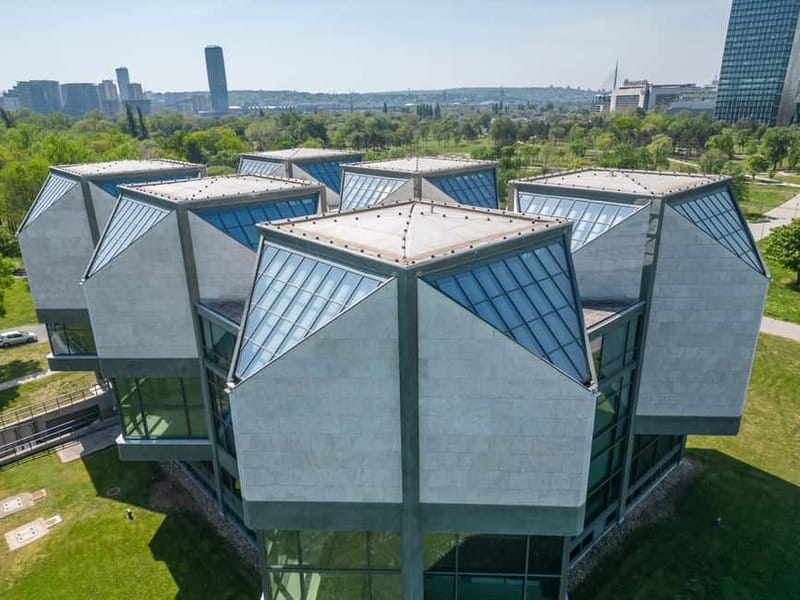
This tour begins in front of the Museum of Contemporary Art, a standout example of 1960s modernist architecture. Its marble facades challenge common stereotypes of socialist design, making it a perfect starting point to understand how aesthetics intersect with political ideology. The museum’s modernist volumes set a tone of architectural innovation that persisted throughout the socialist period.
From here, the tour moves to Park of Friendship, where the Non Aligned Movement was founded in 1961. In this peaceful setting, the guide explains the significance of the 120 countries that participated, and how their act of planting trees symbolized ideals of peace. This stop connects architecture with international diplomacy, illustrating how space was used for political messaging.
Prefer personalized experiences? Here are other private options we've covered in Belgrade
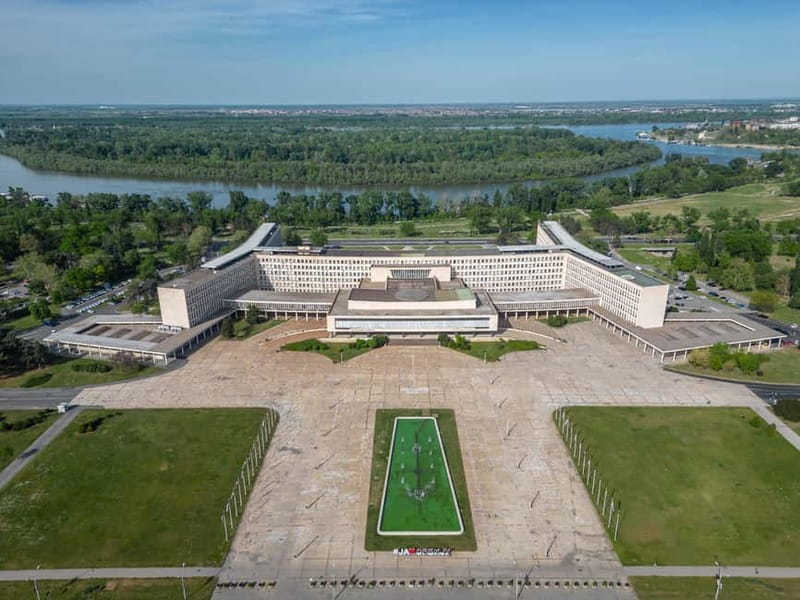
Next, the tour passes by the Palace Serbia, a building that embodies the political shifts of the period. It was under construction during Yugoslavia’s break from Soviet influence, reflecting a transition in political orientation. The guide shares stories of how Yugoslavia balanced between Soviet and American influences, offering context for the architectural choices in governmental structures.
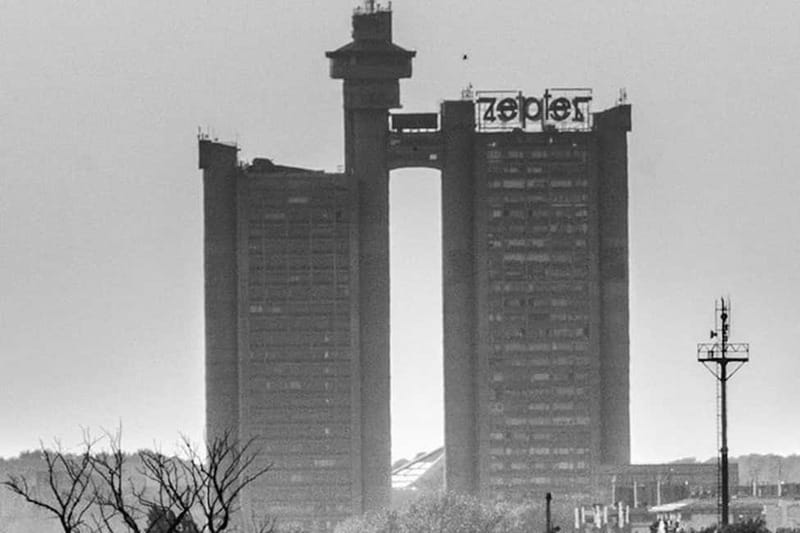
The Genex Tower, also called the Western City Gate, is a highlight of the tour. This 30-floor skyscraper, renowned for its brutalist style, is also considered the first smart building in the Balkans. Its striking, angular form makes it ideal for photographs, and it has been celebrated internationally for its architectural excellence.
During the visit, the guide explains how Yugoslav businesses like Genex operated at par with global capitalist companies, offering a glimpse into the country’s unique economic model. The tower’s design exemplifies Yugoslavia’s embrace of brutalism as a symbol of modernity and strength during the Cold War.
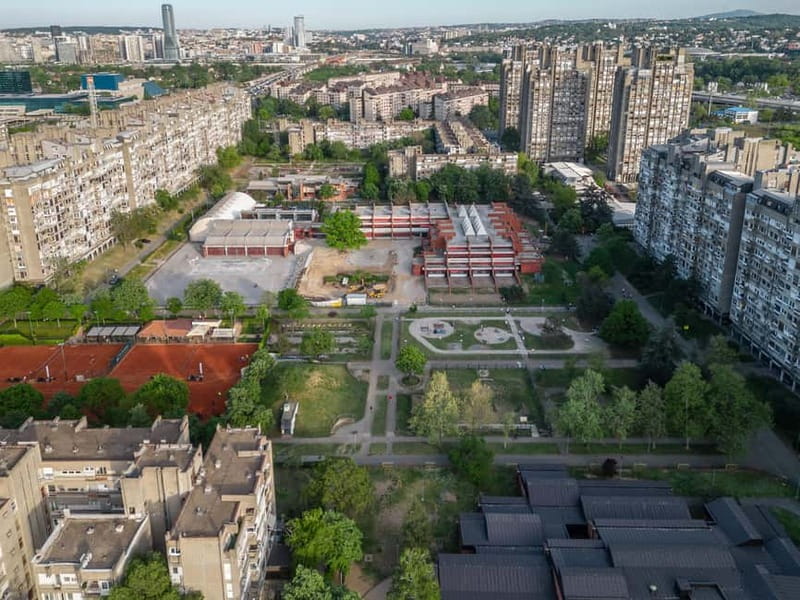
Blok 23 showcases a well-preserved example of socialist city planning and brutalist architecture. This housing block included amenities such as public schools, kindergartens, greenery, artist studios, and a shopping mall. The guide shares personal stories about life in these blocks during their golden decades of the 1960s to 1980s and discusses the challenges faced in the 1990s.
This stop offers a tangible sense of daily life for Yugoslav citizens and illustrates how architecture was used to promote a “classless society” through shared communal spaces.
More Great Tours NearbyThe tour concludes at the Sava Center, a large congress hall built in 1977. It was nominated for the Pritzker Architectural Prize and hosted significant events like the OSCE conference and Non Aligned Summit. Notably, the last congress of Yugoslavia’s ruling Communist Party in 1990 was held here, marking a turning point in the country’s history.
The speed of construction and the building’s modernist style highlight Yugoslavia’s ambition and technological capability during its peak. The guide explains how this structure symbolizes both Yugoslavia’s international diplomacy and its internal political upheavals.
This private tour is flexible, with English and Italian guides available, and wheelchair accessibility included. The meeting point is easy to find at the Museum of Contemporary Art, with the tour ending back at the same location. The entrance fees to venues are free, providing excellent value for a comprehensive exploration of Belgrade’s socialist architecture.
Since the tour is 2.5 hours long, it balances detailed exploration with a comfortable pace. The group is private, ensuring personalized attention and in-depth discussion.
This experience is ideal for architecture lovers, history enthusiasts, and those curious about Yugoslavia’s political identity. It offers a detailed understanding of how architecture reflects societal values and political shifts. The expert guide’s personal stories add a compelling layer to the visual experience, making the buildings’ histories come alive.
While it involves outdoor walking across large structures, it remains manageable for most participants and is accessible for wheelchair users. The focus on notable buildings recognized internationally also means you’ll witness what makes Belgrade’s architecture truly distinctive.
This tour paints a vivid picture of Yugoslavia’s ambitious urban development from 1948 to 1980, when New Belgrade’s population grew from zero to 200,000. It demonstrates how architecture and urban planning played roles in shaping the socialist society, from elite government buildings to housing blocks for the working class.
The buildings for socialist elites and non-aligned comrades reveal the varied functions and statuses that architecture served. The housing block no. 23 exemplifies how social housing was designed to foster community, with shared amenities and green spaces. The tour also captures the shift in political and social values over the decades, culminating in the dramatic end marked by the last Yugoslav Congress at the Sava Center.
This tour appeals most to those with an interest in architecture, Cold War history, and socialist societies. It offers a rare look inside buildings that gained international acclaim, making it a rewarding experience for photographers and design enthusiasts. The personal stories from the guide enhance the experience, providing context that can’t be found in guidebooks.
It’s particularly suited for visitors who enjoy guided walking tours, are comfortable with outdoor exploration, and seek a meaningful understanding of Belgrade’s urban identity beyond its traditional tourist sights.
Is this tour suitable for wheelchair users?
Yes, the tour is accessible for wheelchair users.
Are entrance fees included?
Yes, the entrance to all venues visited during the tour is free of charge.
What languages are available for the guide?
Guides are available in English and Italian.
How long does the tour last?
The tour is 2.5 hours long, with a flexible schedule depending on availability.
Where does the tour start and end?
It starts in front of the Museum of Contemporary Art and ends at the same location.
Is this a private group experience?
Yes, it is a private tour, providing a personalized experience.
Can I book this tour at short notice?
Yes, with 24-hour cancellation policy, you can reserve and cancel in advance if needed.
What should I bring?
Comfortable walking shoes are recommended, and weather-appropriate clothing for outdoor stops.
This Belgrade Socialist Brutalist Architecture Private Tour offers a compelling journey through Yugoslavia’s architectural landscape, blending visual admiration with historical insight. It provides a detailed, honest view of a society expressed in stone and steel, ideal for curious explorers eager to see Belgrade’s urban face from a different perspective.
You can check availability for your dates here: