Physical Address
304 North Cardinal St.
Dorchester Center, MA 02124
Physical Address
304 North Cardinal St.
Dorchester Center, MA 02124

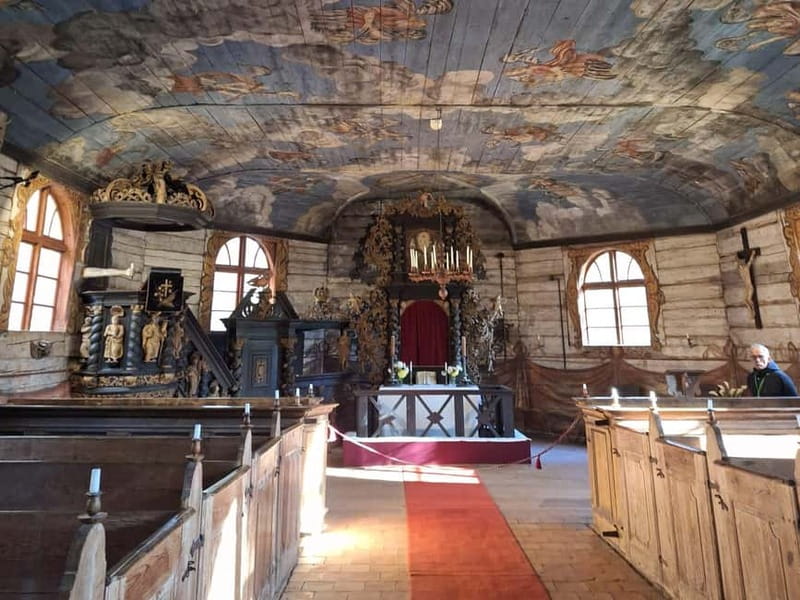
Discover Latvia’s traditional culture at the Ethnographic Open-Air Museum in Riga with a private guide, 118 historical buildings, and year-round outdoor exploration.
A visit to the Ethnographic Open-Air Museum of Latvia offers a unique chance to see the country’s rural past up close. This 3.5-hour private tour departs from Riga, with convenient pickup and drop-off options, making it easy to fit into your travel schedule. The tour includes entrance tickets, a private guided experience, and the chance to explore 118 relocated buildings from Latvia’s four main regions: Kurzeme, Vidzeme, Zemgale, and Latgale. With a focus on Latvian farmsteads, craftsmen, and fishermen, this outdoor museum showcases household objects, tools, and furniture that characterize local life from the late 17th century to the 1930s. The year-round access means you can enjoy this immersive experience any time, but visiting between May and September allows seeing artisans at work and enjoying seasonal events.
While the tour covers extensive outdoor walking and involves a lot of ground to see the many buildings, the private guided aspect ensures a personalized look into Latvia’s traditional culture. This experience appeals most to those interested in history, craftsmanship, and Latvian regional diversity, offering a deep sense of the country’s rural heritage.
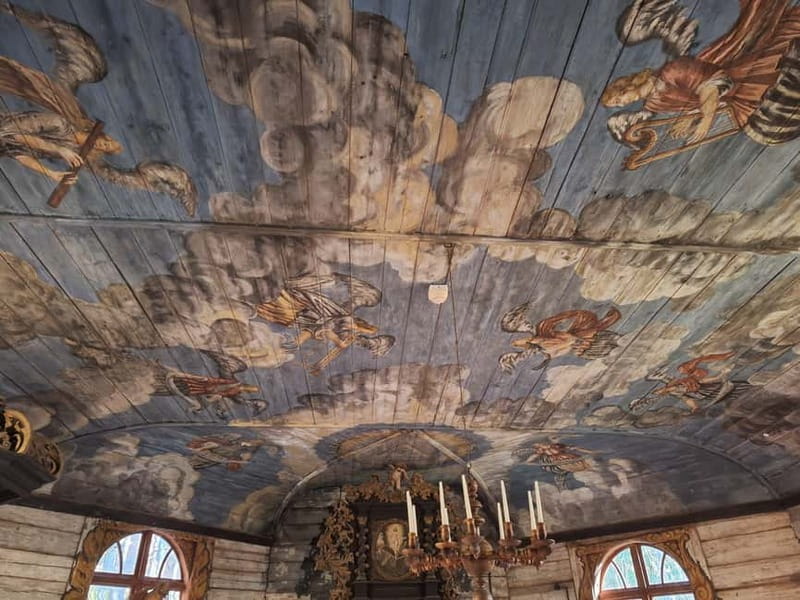
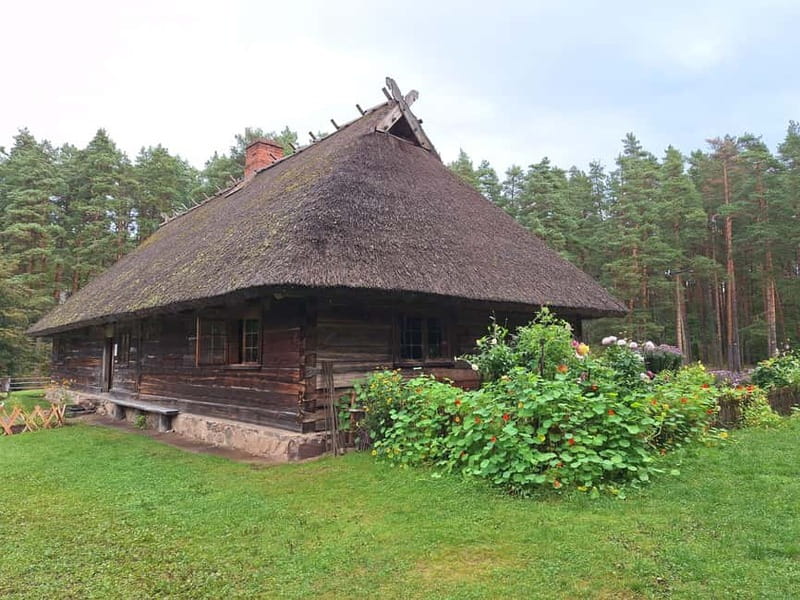
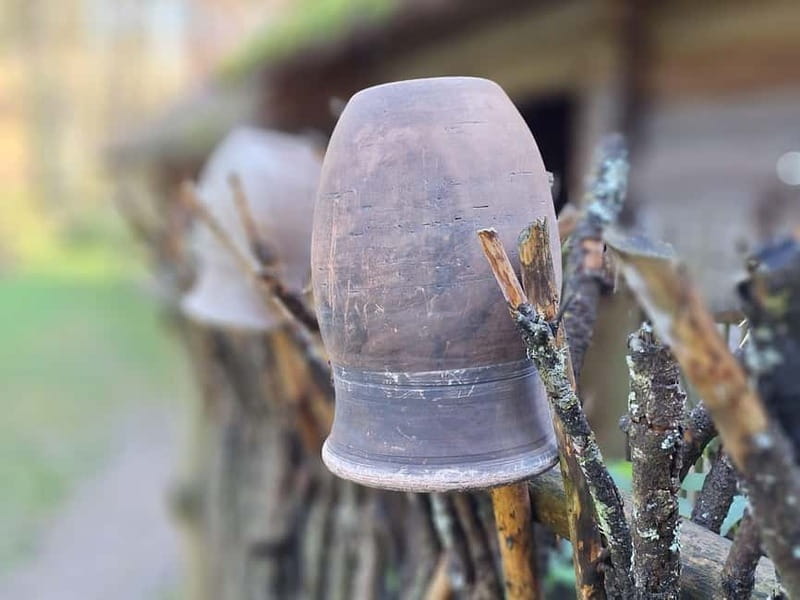
This outdoor museum is one of the largest of its kind in Europe, founded in 1924, making it a well-established site for learning about Latvian traditional life. It houses 118 buildings moved from Latvia’s historical regions—Kurzeme, Vidzeme, Zemgale, and Latgale—each reflecting specific periods from the late 17th century through the 1930s. These structures include farmsteads, fishermen’s cabins, and craftsmen’s workshops, offering a wide-ranging glimpse into Latvia’s rural architecture and living conditions.
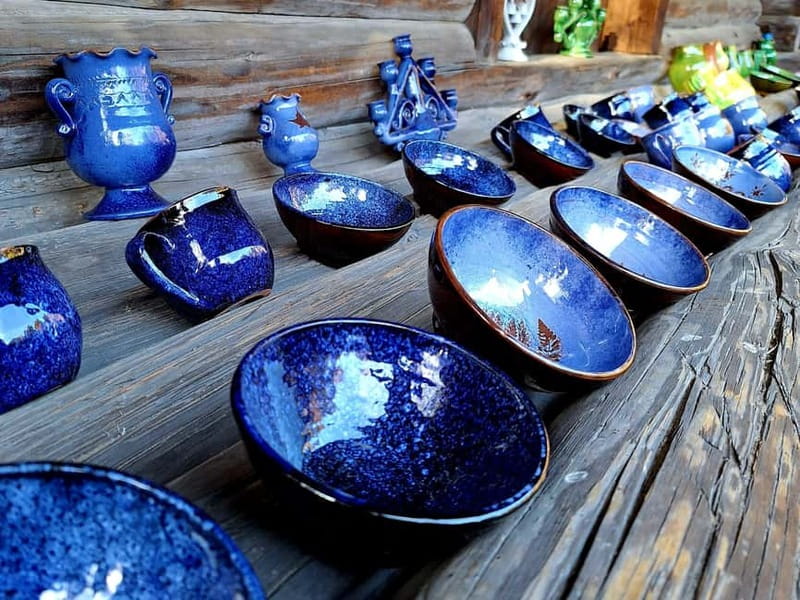
The permanent exhibition features household objects, tools, furniture, and other artifacts that depict everyday life. During the May to September months, artisans like potters, weavers, blacksmiths, and woodworkers demonstrate their crafts, adding an interactive element to the visit. Visitors can observe traditional techniques and sometimes even purchase handmade items, making it a lively spot for those interested in folk crafts.
The entire outdoor area is designed for walking, and comfortable shoes are recommended. The expansive layout allows for an immersive experience, but it also means covering a good amount of ground. The year-round operation means the museum is accessible in all seasons, although the best time to see artisans at work is during the warmer months.
Museum lover? We've covered these other cultural institutions in Riga
This tour departs from two pickup locations in Riga: the Old Town (Vecrīga) and an alternative pickup point nearby. The private transfer ensures a smooth journey to and from the museum, avoiding the hassle of public transportation. The drop-off options mirror the pickup points, facilitating easy access back to the city.
The transport is included in the package, making this a stress-free way to explore Latvia’s countryside without the need for self-driving or navigating unfamiliar roads. The private group setting ensures a more personalized experience, with ample time to ask questions and focus on areas of particular interest.
Once at the museum, the guided tour leads visitors through the historic buildings and explains their significance. Each structure offers insight into regional differences in Latvian architecture, construction techniques, and lifestyle. The permanent exhibition of household objects provides a tangible connection to the past, illustrating how everyday life was lived in Latvian rural communities.
From farmsteads to fishermen’s huts, each building is carefully restored to preserve its original appearance. In the warmer months, artisans showcase traditional craft techniques, from pottery to woodworking, adding an interactive and educational layer to the experience. Visitors should be prepared for outdoor walking, often over uneven ground, so appropriate footwear and weather-appropriate clothing are advised.
A notable feature of the Ethnographic Open-Air Museum is the hosting of seasonal events, especially during June’s first weekend when the Applied Folk Art Fair takes place. During this time, artisans gather to demonstrate traditional crafts, and visitors can observe blacksmiths, weavers, and potters at work. Celebrations like solstice festivities are also held here, giving visitors a chance to experience Latvian cultural traditions firsthand.
These demonstrations are seasonal, so planning a visit during the late spring to early fall increases the chance to see artisans in action. The museum’s open year-round allows for visits outside this period for a quieter experience, focusing on the architecture and permanent exhibits.
More Great Tours NearbyVisitors should wear comfortable shoes suitable for extensive outdoor walking. The museum recommends bringing weather-appropriate clothing because weather conditions can vary, especially outside the warmer months. The site is wheelchair accessible, making it easier for visitors with mobility needs to explore the outdoor area.
Photography is permitted throughout, enabling visitors to capture the scenic buildings and craft demonstrations. However, drone use may be restricted, so checking the specific policy is recommended if planning to fly a drone.
There are no food or drink included in the tour, and personal expenses or tips are not covered. The museum is open all year, but most activities and artisan demonstrations are during the May-September period.
Reservations can be canceled up to 24 hours in advance for a full refund, offering flexibility in planning. The tour can be booked with pay later options, allowing travelers to secure their spot without immediate payment. The activity is conducted in English and is suitable for private groups, ensuring a tailored experience.
This tour offers a hands-on, informative experience of Latvia’s rural history through a carefully curated collection of buildings and artifacts. The private guided aspect enhances the visit, providing personalized insights into regional differences and craftsmanship. It’s especially valuable for those interested in history, architecture, and folk traditions.
While the outdoor scope and walking might be demanding for some, the year-round accessibility and seasonal craft demonstrations make the Ethnographic Open-Air Museum a versatile and enriching stop. Its proximity to Riga, combined with the included transportation, makes it an easy addition to your travel plans.
If you want to see Latvia’s rural architecture, learn about folk crafts, and experience seasonal celebrations, this tour provides a comprehensive and authentic glimpse of the country’s cultural landscape. It’s a knowledgeable way to deepen your understanding of Latvia’s regional diversity outside the city bustle.
Is the tour suitable for all ages?
Yes, the outdoor nature and accessible paths make it suitable for most ages, though younger children should be supervised on the uneven terrain.
What should I bring for the visit?
Comfortable walking shoes and weather-appropriate clothing are recommended due to outdoor walking and seasonal weather conditions.
Are artisan demonstrations included?
Artisan demonstrations take place from May to September, mainly during special events or seasonal fairs, adding an interactive element.
Can I visit the museum outside the guided tour?
Yes, the museum is open year-round and can be explored independently outside the scheduled guided tour, but the private guide enhances the experience.
How do I get to the museum?
Transportation is included in the tour package, with pickup from designated Riga locations and a private transfer to the museum.
Is the tour wheelchair accessible?
Yes, the museum is wheelchair accessible, making it easier for visitors with mobility needs to enjoy the grounds.
Are there any restrictions on photography?
Photography is allowed throughout, but drone usage may be restricted; check policies if planning aerial photography.
What is the best time to see artisans at work?
The period from May to September offers the best chance to see artisans demonstrating traditional crafts.
Does the tour include food or drinks?
No, food and drinks are not included, and visitors should plan to bring their own or purchase at facilities near the museum.