Physical Address
304 North Cardinal St.
Dorchester Center, MA 02124
Physical Address
304 North Cardinal St.
Dorchester Center, MA 02124


Discover the full-day Australian Battlefields Tour from Amiens, offering 8 hours of heartfelt storytelling, historic site visits, and personalized insights.
The Full day Australian Battlefields Tour in Amiens, France, priced at $248.83 per person, offers a deeply meaningful experience for those interested in Australia’s role in WWI. With a 5.0-star rating based on 70 reviews, this tour is highly recommended, with 97% of participants endorsing it. It lasts approximately 8 hours, making it a comprehensive exploration of the sites that shaped Australian military history on the Western Front. The tour includes pickup services and a mobile ticket, providing convenience from start to finish.
While the tour follows a set itinerary, there is a considerate opportunity to include a visit to the grave of a relative buried in a CWGC cemetery, if it fits naturally along the route. This personal touch, combined with expertly guided storytelling, makes it ideal for history enthusiasts wanting a respectful, informative, and emotional journey through the key battlefields of WWI.
 1 / 8
1 / 8 2 / 83 / 8
 4 / 8
4 / 8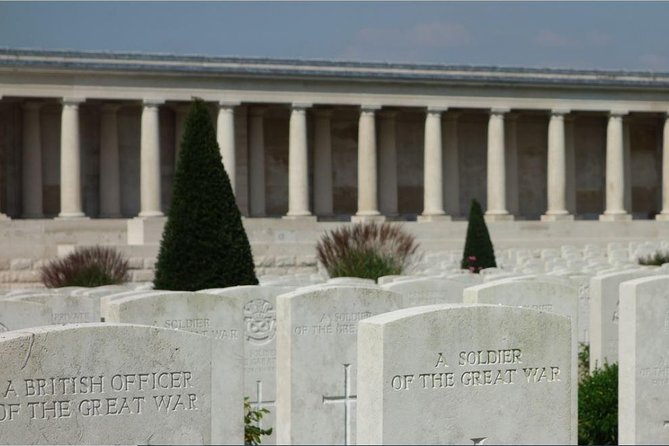 5 / 8
5 / 8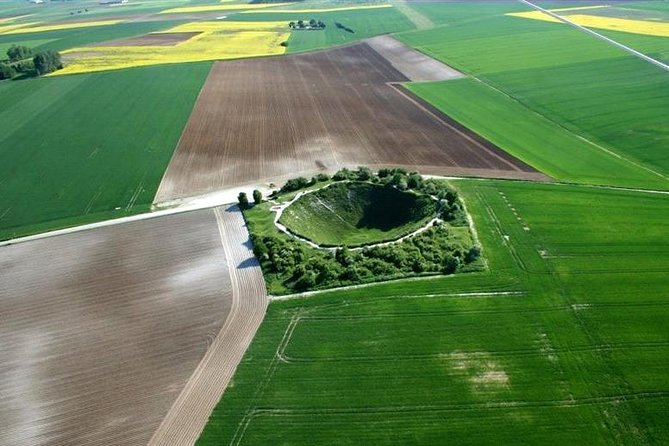 6 / 8
6 / 8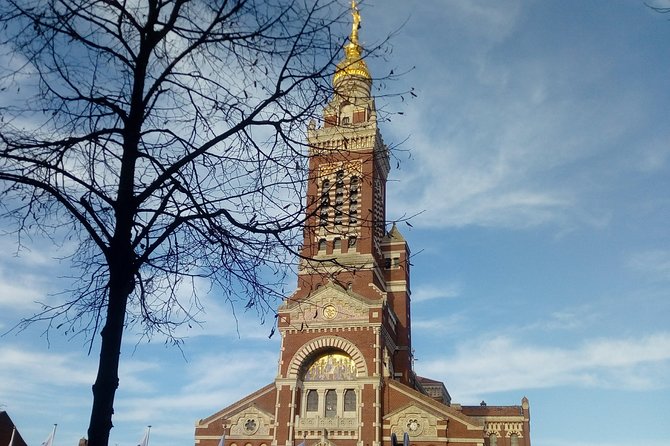 7 / 8
7 / 8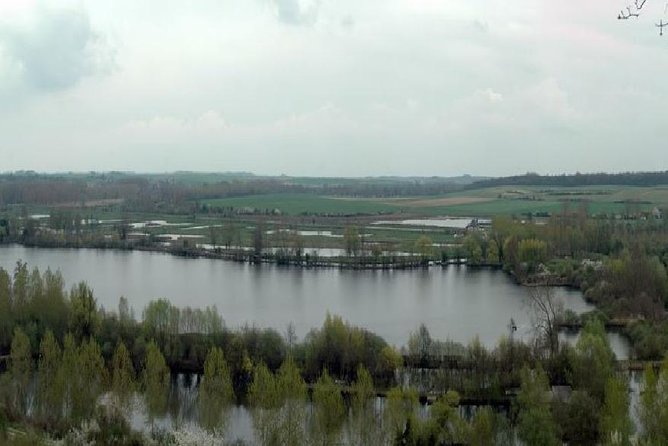 8 / 8
8 / 8
The tour begins in Amiens, a city celebrating its 800-year-old Gothic cathedral, the largest in the world. The guide introduces visitors to the city’s history, culture, and its important role from the Middle Ages through today. As part of the journey to the battlefields, travelers enjoy views of the rolling Somme landscape, gaining context about the region’s local economy and historical importance.
This part of the tour offers a gentle introduction that connects Amiens’ centuries-old heritage to the somber WWI sites ahead. The city’s vibrant atmosphere and historical significance make it a compelling starting point for this full-day exploration.
While in Amiens, here are other experiences we've covered
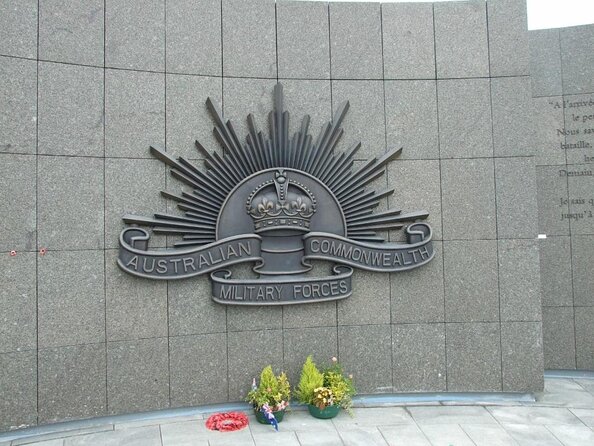
The tour’s first major stop is the Villers-Bretonneux Military Cemetery, located on the grounds of the Australian Memorial. Here, the guide shares stories of Australia’s involvement in WWI, with particular focus on the counter-attack led by the Allies in April 1918, where Australian troops showed extraordinary bravery but also suffered heavy losses. Visitors are encouraged to pay respects at the graves of Australian soldiers.
Only a short walk away is the Sir John Monash Centre, an engaging multimedia center that brings Australians’ experiences on the Western Front to life through interactive displays and immersive media. The center features personal letters, diaries, and images, helping visitors connect emotionally to the soldiers’ stories. The admission is included, and roughly an hour is spent exploring this moving tribute.
At the heart of the Villers-Bretonneux CWGC cemetery stands the Australian National Memorial, inaugurated in 1922 by King George VI. Its walls bear the engraved names of 10,729 Australian servicemen missing in action. The site remains central to remembrance, with thousands gathering here annually on ANZAC Day at dawn to honor fallen soldiers.
Visitors gain a profound understanding of the scale of sacrifice through the memorial’s solemn presence. The free access allows for quiet reflection and an appreciation of Australia’s enduring connection to WWI history.
Next, the tour ventures into the Somme valley, with a stop at Chipilly to view the 58th British Division Memorial. This striking stone monument, depicting a soldier comforting a wounded horse, was inaugurated in 1922 by French sculptor Henri Gauquié. It commemorates not only the 58th Division but also the countless horses that lost their lives during the battle.
From the Camp Cesar viewpoint, travelers enjoy sweeping panoramic views of the Somme valley, offering insight into the terrain that saw some of WWI’s bloodiest fighting. The guide explains the origins of the Battle of the Somme, its multi-national participants, and its devastating toll.
The Basilica Notre Dame de Brebières showcases Neo-Byzantine architecture and was entirely reconstructed after being destroyed during WWI. Its dome, covered with gold sheets, bears a statue of the Virgin Mary holding baby Jesus, linked to stories from the war period. The guide shares the tale behind this statue, adding a layer of human interest to the site’s historical significance.
This visit offers a glimpse into the resilience of local architecture and the faith that sustained communities through the war’s destruction.
The tour pauses for a one-hour lunch at Le Hygge Restaurant Brasserie. Although lunch expense is not included, this break provides a chance to relax, enjoy regional cuisine, and reflect on the morning’s visits in a comfortable setting. The guide may share additional stories or answer questions during this time, making it a pleasant pause amid the busy schedule.
In the afternoon, the tour visits Lochnagar Crater, a remarkable site created by a massive mine blast beneath the German lines on July 1, 1916. The crater measures approximately 70 feet deep and 330 feet wide, making it the largest in the Somme region. This site vividly illustrates the scale of engineering and destruction involved in WWI battles.
Walking around the crater, visitors appreciate its scale and the strategic importance of such explosive tactics. The guide explains how mines like Lochnagar played a critical role in advancing infantry on that first day of the Battle of the Somme.
The tour takes visitors to Pozières, well known for its intense Australian fighting and high casualty rates. Nearly 7,000 Australian lives were lost here between July and September 1916. The 1st Australian Division Memorial stands as a tribute to those sacrifices. The site is filled with stories of heroism and tragedy, emphasizing how densely packed with Australian sacrifice Pozières is.
Adjacent, the Windmill site commemorates the 23,000 casualties, and the nearby Tank Memorial discusses the role of tanks in WWI, highlighting how warfare evolved during the conflict.
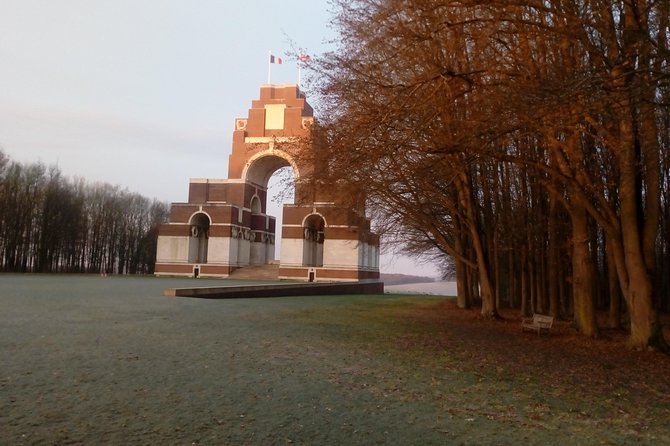
The Memorial de Thiepval, the largest British War Memorial globally, pays tribute to over 72,000 soldiers who went missing or were unidentified. The guide explains the concept of “missing” soldiers and what this meant for families during and after the war.
The Ulster Tower, commemorating Ulster soldiers, offers additional context about regional contributions. From its vantage point, visitors can still see remnants of the WWI frontlines, making it a powerful site for reflection on military tactics and sacrifice.
The Newfoundland Memorial Park honors Newfoundlanders who fought in the Battle of the Somme, especially those who lost their lives on July 1, 1916. The ground, purchased in 1921, symbolizes Newfoundland’s sacrifice and national identity. The site provides a personal connection to the region’s war history, with a focus on the high casualties experienced by the Newfoundland regiment.
This stop concludes the day’s emotionally charged journey through the battlefield sites that defined Australia’s and other nations’ WWI histories.
The Full day Australian Battlefields Tour offers a well-structured, enriching experience driven by Brigitte’s expert knowledge and passion for remembrance. It balances visits to iconic memorials like Villers-Bretonneux, Thiepval, and Lochnagar, with storytelling about critical battles such as Pozières and the Battle of the Somme.
The inclusion of the Sir John Monash Centre ensures an interactive and personal understanding of Australian soldiers’ experiences, while sites like the Crater and Memorials give visceral impressions of WWI’s scale and brutality. The tour’s flexibility allows for personal touches, like visiting a relative’s grave, making it meaningful for those with family ties to the war.
While the 8-hour schedule keeps things busy, the pace is manageable, and the guide’s engaging style ensures visitors stay connected to the stories behind each site. Accessibility requires moderate physical fitness, as some walking and standing are involved, but overall, the tour offers a respectful, comprehensive tribute to those who served.
This full-day tour stands out for its rich storytelling, careful site selection, and personalized approach. It’s an excellent choice for history enthusiasts, families with WWI ancestors, and anyone eager to understand the Australian contribution to the war effort.
The $248.83 price point is justified by the depth of content, expert guidance, and inclusion of key sites and memorials. The positive reviews, with a perfect 5-star rating from 70 participants, reflect high satisfaction across educational, emotional, and logistical aspects.
This tour offers a thoughtful, respectful, and detailed way to connect with a pivotal chapter in world history, making it a memorable and meaningful experience for those interested in remembrance and military history.
Is transportation included in the tour?
Yes, the tour includes pickup services, making travel to and from Amiens straightforward.
How long does the tour last?
The full day tour runs approximately 8 hours, providing ample time to visit all key sites.
Can I visit a specific relative’s grave?
There is flexibility to include a visit to a relative’s grave in a CWGC cemetery if it can be sensibly incorporated into the route.
What are the main sites visited during the tour?
Major sites include Villers-Bretonneux Australian Memorial, Sir John Monash Centre, Australian Corps Memorial, Lochnagar Crater, Pozières, and the Thiepval Memorial.
Is lunch included?
No, lunch is not included; a one-hour break is scheduled at Le Hygge Restaurant Brasserie.
What is the physical requirement?
Participants should have moderate physical fitness, as some walking and standing are involved.
Is this tour suitable for children or those with mobility challenges?
While not explicitly stated, the physical nature suggests it’s best for those with moderate fitness levels.
How do I book or cancel?
Booking is confirmed upon reservation, and free cancellation is available if canceled at least 24 hours in advance.
Who guides the tour?
The tour is led by Brigitte De Cuyper, known for her deep knowledge and engaging storytelling.
What makes this tour different from others?
Its focus on Australian contributions, interactive experiences like the Monash Centre, and personalized storytelling set it apart.
Can I customize the itinerary?
The tour follows a set itinerary, but there is some flexibility for personal visits, such as graves.
Is the tour suitable for all ages?
General moderate physical activity is required; the tour is ideal for adults and older children interested in history.
What do past participants say?
Reviews consistently highlight the knowledgeable guide, emotional resonance, and comprehensive coverage of WWI sites.