Physical Address
304 North Cardinal St.
Dorchester Center, MA 02124
Physical Address
304 North Cardinal St.
Dorchester Center, MA 02124

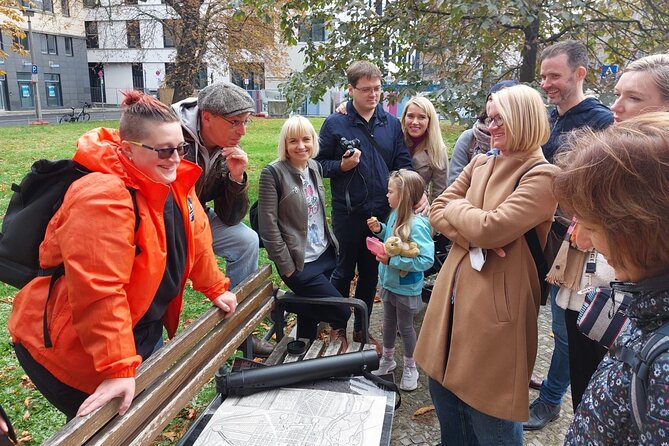
Discover Berlin's medical past on a 2-hour walking tour of the Charité Hospital, exploring historic sites, notable figures, and Berlin's complex history.
Berlin’s Charité Hospital offers a fascinating journey through 300 years of medical history combined with stories of political upheavals and scientific breakthroughs. This 2-hour guided walking tour is priced at $28.81 per person and appeals to history buffs, medical enthusiasts, and curious travelers alike. The tour departs from Robert-Koch-Platz and winds through iconic sites on the Charité campus and nearby landmarks, all led by knowledgeable guides who bring the stories to life.
What makes this tour especially appealing is its rich content and engaging storytelling, with 18 reviews rating it a perfect 5.0 out of 5. The guides are praised for their expertise and entertaining manner, making a deep dive into Berlin’s medical and political history accessible and enjoyable. While the tour itself does not include visits into the medical buildings, it covers the most important monuments, memorials, and historical sites, offering a rundown without feeling rushed.
 1 / 9
1 / 9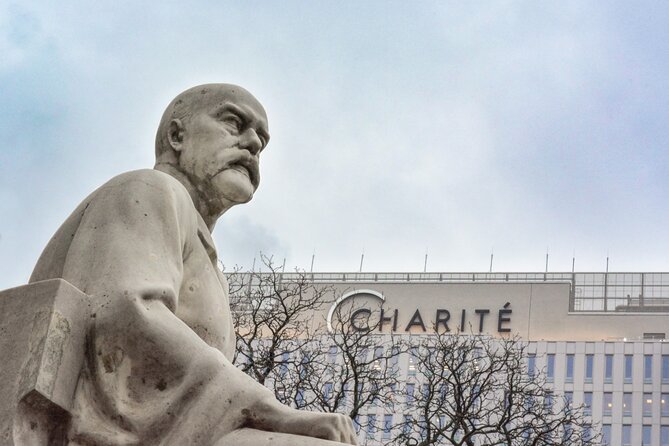 2 / 93 / 9
 4 / 9
4 / 9 5 / 9
5 / 9 6 / 9
6 / 9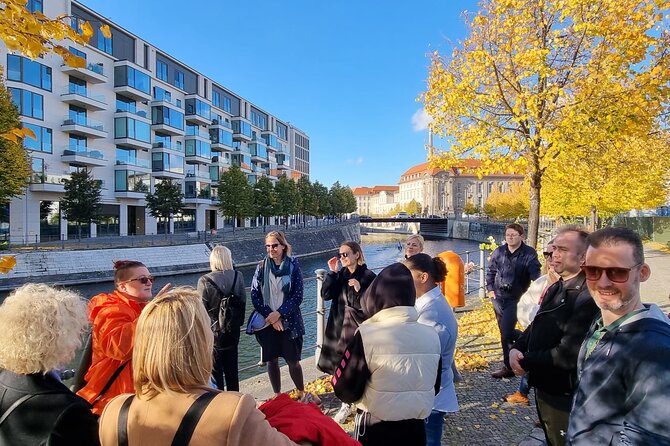 7 / 9
7 / 9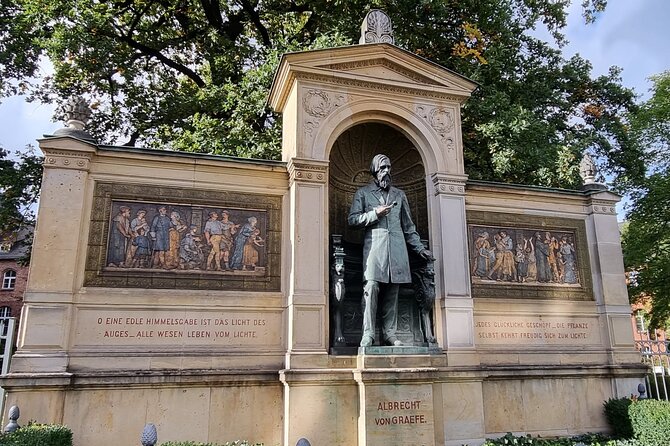 8 / 9
8 / 9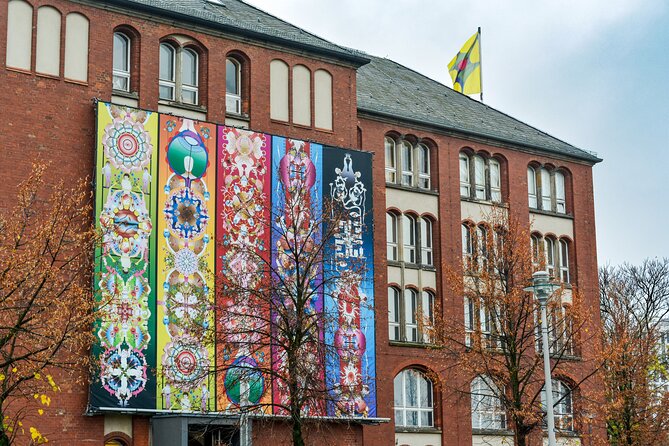 9 / 9
9 / 9
The tour kicks off at the Robert-Koch Denkmal, where the story of Berlin’s oldest hospital begins in the 18th century. Visitors learn why the Charité was established and explore the monument dedicated to Robert Koch, who earned a Nobel Prize for discovering the causes of tuberculosis, anthrax, and cholera. The guide explains Koch’s role in medical history and touches on the first pharmaceutical scandal in medicine history, adding depth to this landmark.
This stop provides context on how Berlin became a hub of scientific innovation and how Koch’s discoveries transformed medicine globally. Admission is free, making this an accessible starting point filled with important insights.
If you're drawn to exploring Berlin on foot, we've looked into these other walking experiences
Next, the tour visits the Tieranatomisches Theater, Berlin’s oldest surviving academic building. Built in the 18th century, this neoclassical structure once hosted veterinary studies on animal diseases. Visitors hear stories of how diseases were diagnosed and treated before modern science took hold, offering a glimpse into medical practices of the past.
The building’s historical significance and architecture impress visitors, and the guide shares stories of early medical education. As an admission-free site, it complements the narrative seamlessly with visual and structural examples of historical science.
The Denkmal Rudolf Virchow marks the third stop, focusing on Rudolf Virchow, known as the father of modern pathology. His work laid foundations for understanding cell theory and disease mechanisms. The guide highlights Virchow’s influence on social medicine, emphasizing how his ideas extended beyond laboratories to public health policies.
This monument offers a chance to reflect on how medicine intersects with society and politics, especially considering Berlin’s turbulent history during the 19th and 20th centuries. The storytelling makes Virchow’s contributions clear and inspiring.
The tour then moves to the Denkmal Albrecht von Graefe, Berlin’s first monument dedicated to a scientist. Graefe’s pioneering work in ophthalmology revolutionized vision care. The guide shares his story, underlining how his innovations still influence eye medicine today.
This stop is a unique chance to discover how specialized medicine developed in Berlin and recognize the significance of dedicated scientific research. The monument itself is historically important and visually striking.
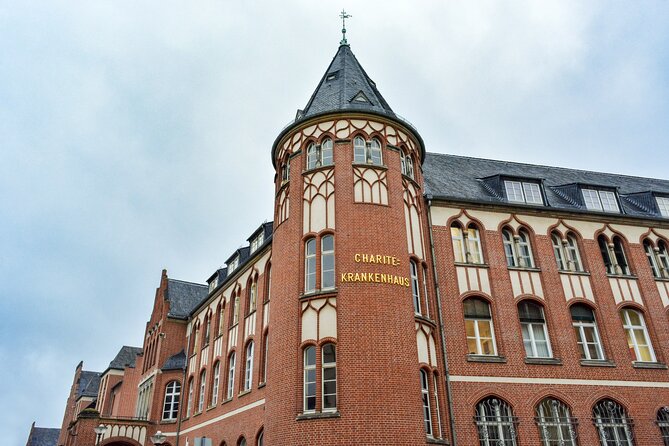
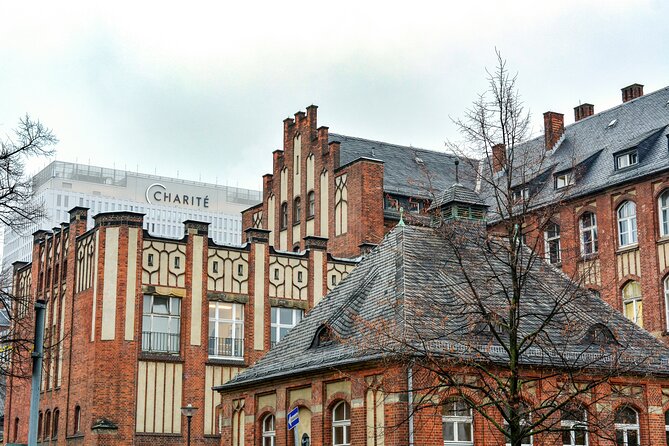
The Charité Campus Mitte is the centerpiece of the tour’s exploration of architecture and history. Visitors walk through its neogothic red-brick buildings, marveling at their aesthetic. The guide discusses how the hospital was used during Nazi Germany, revealing how some doctors misused medicine, while others risked their lives to help victims of the regime.
This combination of architecture and historical reflection offers a nuanced view of Berlin’s medical past, showing both noble and darker episodes within the same site.
Interested in history? Here are other past-focused experiences we've examined in Berlin
The final stop is Humboldthafen, outside the Charité campus, where stories of escape attempts unfold. Several East Berliners tried to swim across the city canal to reach the West. The guide shares accounts of life in the hospital during the socialist era and the fall of the Berlin Wall, illustrating the hospital’s proximity to political upheaval.
This location provides a gripping conclusion to the tour, emphasizing how politics deeply impacted the lives of those connected to Berlin’s medical institutions.
The tour begins at Robert-Koch-Platz and ends near Alexanderufer, about a 10-minute walk from Berlin Central Station. It is led by Beyond and Beneath Tours, a company known for engaging guides and well-organized excursions. The small group size, with a maximum of 15 travelers, ensures personal attention and lively discussions.
All fees and taxes are included, while access to inside buildings is not part of this tour. The mobile ticket makes logistics smooth, and the tour runs most days, often booked 19 days in advance. Travelers can cancel freely up to 24 hours in advance, adding flexibility to planning.
What separates this walking tour from others in Berlin is its focus on medical history and political stories intertwined with architecture and monuments. The guides are praised for being knowledgeable and engaging, effectively contextualizing each stop and sharing additional insights and recommendations.
The reviews show that participants find the experience fascinating, informative, and entertaining. Many appreciate the less touristy perspective, making it ideal for those who have already explored Berlin or wish to understand the city’s complex past through a medical lens.
This tour best suits history enthusiasts, medical professionals, and Berlin lovers seeking a different perspective on the city. The content is accessible even without prior knowledge, but those with an interest in science, politics, or architecture will find it especially rewarding.
While not including inside visits of the hospital’s operational areas, the tour compensates with its rich storytelling and visits to historical monuments and memorials. It’s an excellent choice for those curious about Berlin’s healthcare and political history or anyone looking for a meaningful, well-structured walk.
Is this tour suitable for all ages?
Yes, the tour is designed to accommodate most travelers; there are no specific physical requirements and it is accessible for most.
Does the tour include inside visits to hospital buildings?
No, the tour does not include access to operational or university buildings, but it covers key outdoor monuments and sites.
Can I cancel if my plans change?
Yes, cancellations are free if made at least 24 hours in advance. The tour offers flexibility if weather or schedule issues arise.
What should I bring along?
Comfortable walking shoes and weather-appropriate clothing are recommended, as the tour involves outdoor walking for about 2 hours.
This Charité Hospital Walking Tour offers a rich, balanced account of Berlin’s medical and political history, paired with fascinating stories and stunning architecture. Its engaging guides, thoughtful stops, and affordable price make it a compelling choice for anyone eager to understand Berlin beyond the usual sightseeing route.