Physical Address
304 North Cardinal St.
Dorchester Center, MA 02124
Physical Address
304 North Cardinal St.
Dorchester Center, MA 02124

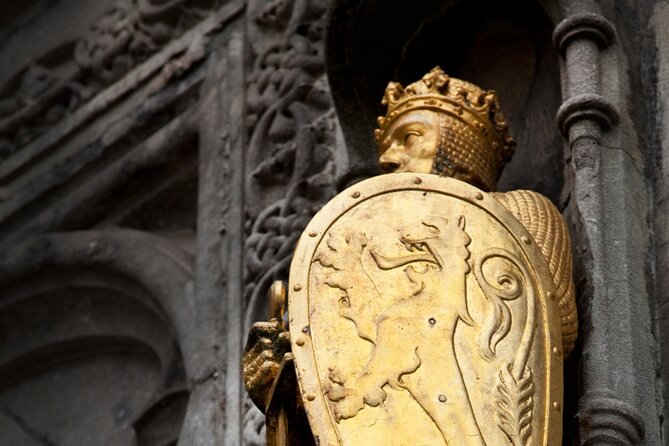
Discover Bruges' trade history on a private 3.5-hour guided tour led by an expert guide, exploring landmarks from the Market Square to the Burg and more.
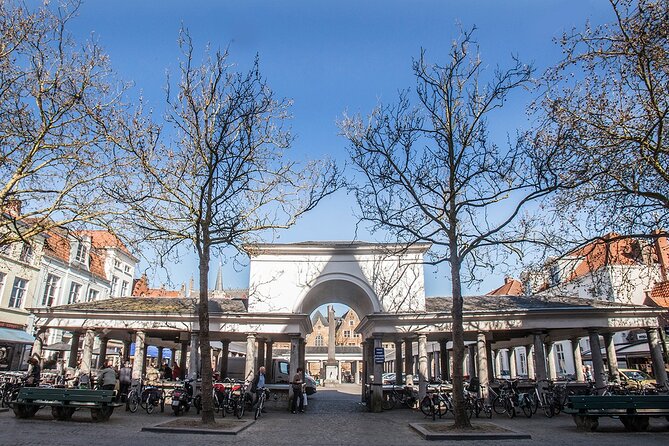
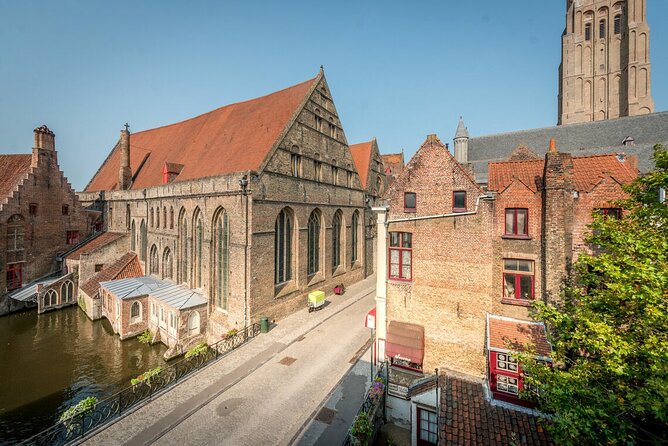
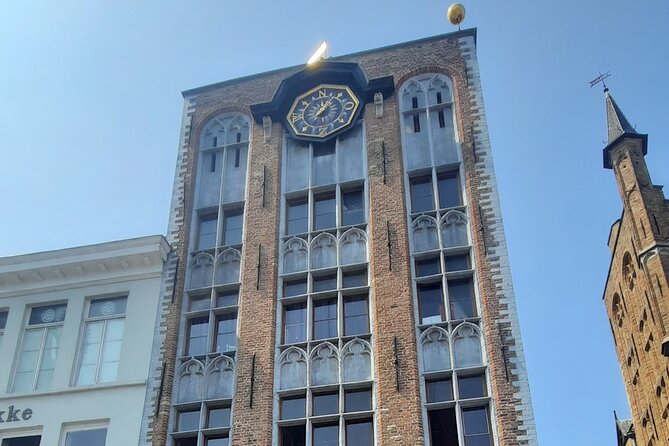
The Private Bruges Guided Tour offers an engaging journey through the city’s storied past as a thriving trade center. Priced at $166.42 per person and lasting approximately 3 hours and 30 minutes, this tour provides an in-depth look at Bruges’ international connections and local landmarks. Led by an official licensed city guide, it’s perfect for history lovers and curious travelers who want a comprehensive understanding of Bruges’ unique position in European commerce.
This tour stands out for its well-organized itinerary covering key historical sites, from lively market squares to noble estates. While it is a private experience, making it ideal for personalized attention, participants should be prepared for moderate walking and a pace that covers many stops in a limited time. It’s an excellent choice for those seeking a deep, expert-led exploration of Bruges’ past and present.
Prefer personalized experiences? Here are other private options we've covered in Bruges
The tour begins at Medi-Market, Markt 5. This central location makes it easy for participants to meet, close to many of Bruges’ most iconic sites. From here, your guide leads you through a carefully curated route that highlights the city’s vibrant trade history, with a focus on its former status as the “New York of the 14th century.”
The Market Square, or De Markt, is the lively heart of Bruges’ commercial activity. You’ll see the Water halls, cloth halls, and guild houses that once symbolized Bruges’ economic power. This stop lasts about 20 minutes and is free to enter, providing an immediate sense of the city’s bustling commercial past.
Next, the tour visits the Steenstraat Quarter, where the guild houses of Bruges’ major trades are located. Here, the leather makers, masonry guild, carpenters, and bakers left their marks. This part of the walk offers a glimpse into the craftsmanship that sustained Bruges’ wealth during its heyday. The visit lasts 20 minutes and is free of charge.
This area demonstrates how guilds played a fundamental role in Bruges’ economy and societal structure. The architecture and history of these guild houses reflect the city’s organized trade networks and social hierarchy.
The Vlamingstraat introduces the Italian Quarter of Bruges, home to Genuese, Venetians, and Florentines. These merchants and traders contributed to Bruges’ cosmopolitan makeup. The Inn Ter Beurze, located in this area, served as the center of finance—a precursor to modern banking.
Spending 15 minutes here, visitors learn how international influences shaped Bruges’ commerce and how its merchants established financial institutions that facilitated trade across Europe. The Italian presence added a layer of international sophistication to Bruges’ markets.
The tour continues to Sint-Jakobskerk, a church that tells stories of Bruges’ elite. It is a place where art and history intersect, offering insights into the social standing of the city’s prosperous classes. This stop lasts 20 minutes and is free.
Inside, visitors learn about the church’s connection to Bruges’ upper classes and its role in fostering art. The architecture and artwork here provide context on the city’s cultural investment during its trading peak.
Appreciate having local insight? Here are other guided experiences in Bruges we've examined
At Naaldenstraat, the Hof Bladelin residence stands out. Once the home of Thomaso Portinari, the banker for the Medici family, and Pieter Blandelin, this historic home demonstrates the wealth accumulated from banking and trade. The stop lasts 15 minutes and is free to explore.
This site offers a tangible connection to Bruges’ financial links with Italy’s powerful families, emphasizing the city’s role as a banking hub that supported its commercial empire.
The Spanjaardstraat showcases the Spanish Quarter, where Spanish embassies and docking points highlight Bruges’ diplomatic importance. This 10-minute stop underscores the city’s international connections beyond trade, including political alliances and foreign relations.
Visitors observe the historic environment that once facilitated diplomatic exchanges and maritime activity, reaffirming Bruges’ status as an international trading hub.
The Jan Van Eyckplein features Jan Van Eyck, the renowned painter and diplomat. Here, visitors see landmarks such as The Poorters lodge, the toll house, and the house of the Pijnders. This stop lasts 20 minutes and is free.
This part of the tour emphasizes Bruges’ cultural influence, linking artistic achievement with diplomatic roles. Van Eyck’s prominence reflects Bruges’ status as a center of artistic and political significance during its trading era.
Next, the Adornes Estate offers a look into the family of Genoa traders. The estate and family church tell the story of this wealthy merchant family’s prosperity and importance. Visitors spend 15 minutes here, with free access.
This site underscores the connection between Bruges and Italian commerce, illustrating how merchant families contributed to the city’s wealth and international reach.
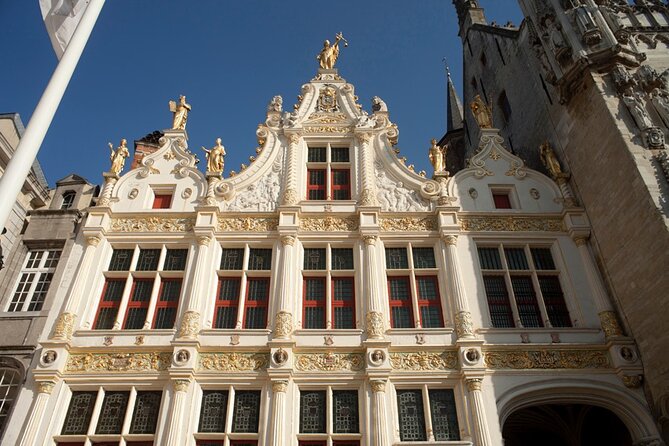
Burg Square is the political heart of Bruges, hosting historic buildings like the City Hall, Justice Courts, and the Basilica of the Holy Blood. A 25-minute visit provides insights into Bruges’ governance and religious life during its trading peak.
This square reflects the combination of civic authority and spiritual life, integral to understanding Bruges’ historical power structure.
The Huidenvettersplein spotlights leather makers and their guild, emphasizing Bruges’ craftsmanship. Visitors learn about the leather trade that was vital to the city’s economy. This short 10-minute stop is free and provides context on artisanal industries supporting the trade infrastructure.
The Gruuthuse Museum displays the historic City Palace of the influential Gruuthuse family. Over 10 minutes, visitors see artifacts that showcase Bruges’ wealth, cultural life, and civic pride.
This site emphasizes the importance of noble families in maintaining Bruges’ prominence and reflects the city’s vibrant civic life during its commercial height.
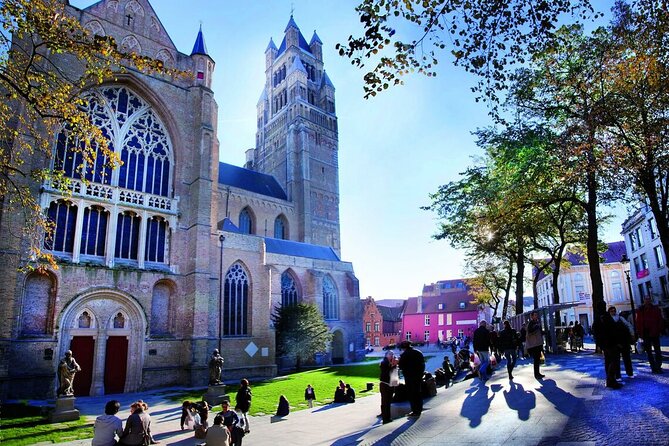
Finally, the tour visits the Onze-Lieve-Vrouwekerk, a church famed for its art and strategic position in the city. This 20-minute stop offers a chance to appreciate Bruges’ artistic achievements and its historical importance as a religious and commercial hub.
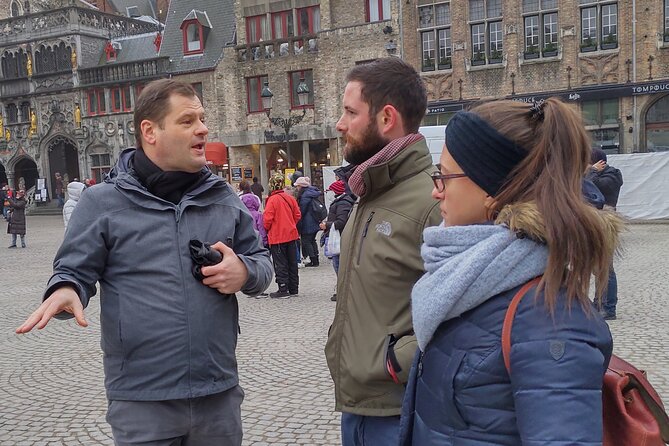
The tour begins at Medi-Market, Markt 5 in Bruges and ends at the Church of Our Lady in Mariastraat. It is designed to accommodate guests near public transportation, with a moderate physical fitness level recommended. The private format means only your group participates, allowing for personalized interaction and questions.
Booking is confirmed immediately, with free cancellation available up to 24 hours before the experience. The tour is weather-dependent, with options for rescheduling or full refunds if canceled due to poor weather conditions.
What makes this private guided tour especially appealing is its focus on Bruges’ trade history and international influences. The diverse stops—from guild houses to diplomatic sites—paint a vivid picture of how Bruges became a major European trading city. The expert guide ensures rich storytelling, making the experience both educational and engaging.
The itinerary’s variety, covering art, architecture, finance, and diplomacy, suits those eager for a comprehensive understanding of Bruges’ role in European commerce. The private format guarantees a tailored experience, with plenty of opportunities for questions and personalized insights.
This tour offers a well-rounded exploration of Bruges’ history as a trade city, packed with significant landmarks and stories. The expert guide adds depth, revealing how Bruges’ cosmopolitan character shaped its prosperity. For those interested in European trade networks and artistic heritage, this experience provides valuable context in just over three hours.
While the tour covers many sites, it involves moderate walking and a busy schedule, so participants should be prepared for a lively pace. Its focus on trade, finance, and diplomacy makes it especially suitable for history enthusiasts and culture seekers who want a detailed look at Bruges’ international significance.
Is this tour suitable for all ages?
Yes, as long as participants have a moderate physical fitness level and can walk comfortably.
Where does the tour start and end?
It begins at Medi-Market, Markt 5 and ends at the Church of Our Lady in Mariastraat.
How long does the tour last?
Approximately 3 hours and 30 minutes.
What is included in the tour?
The tour covers multiple historical sites with free admission, guided by an official licensed city guide.
Is the tour private or group?
It is a private experience, with only your group participating.
Can I cancel if my plans change?
Yes, free cancellation is available up to 24 hours before the tour.
What should I wear or bring?
Comfortable shoes for walking and weather-appropriate clothing, as the tour is outdoors and involves some standing.
Is this tour accessible for people with mobility challenges?
Participants should have a moderate physical fitness level; accessibility options are not specified.
Are there any food or drink stops?
No, the tour is focused on historical landmarks; food and drink are not included.
How do I book this tour?
Booking is through Crusade.be, with instant confirmation and detailed meeting point instructions.