Physical Address
304 North Cardinal St.
Dorchester Center, MA 02124
Physical Address
304 North Cardinal St.
Dorchester Center, MA 02124

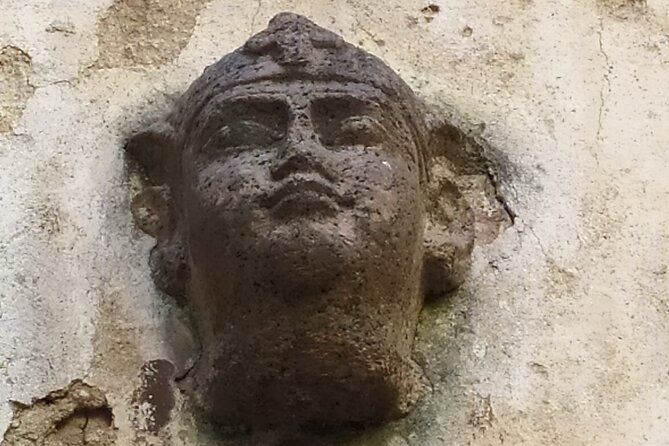
Discover Split's history with a private, expert-led walking tour featuring iconic sites, hidden gems, and engaging storytelling for an authentic experience.
 1 / 8
1 / 8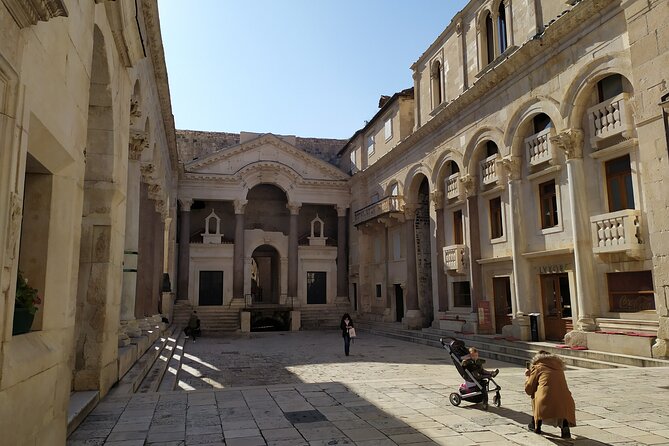 2 / 83 / 8
 4 / 8
4 / 8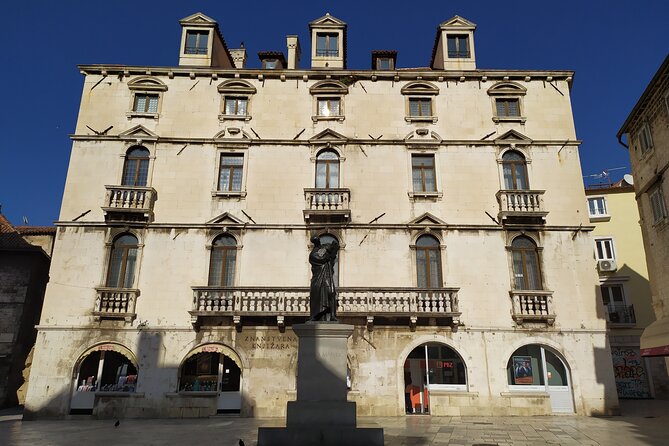 5 / 8
5 / 8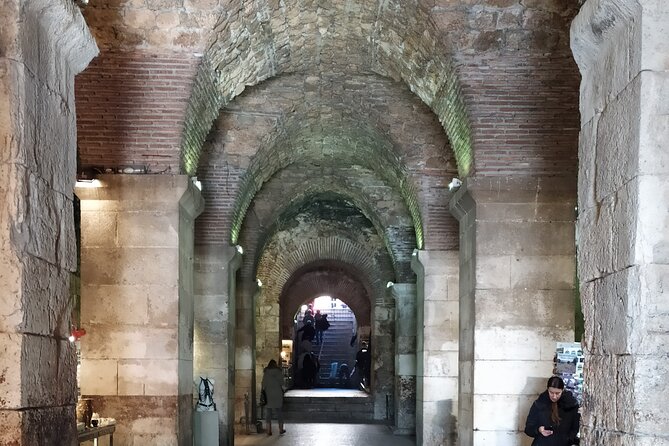 6 / 8
6 / 8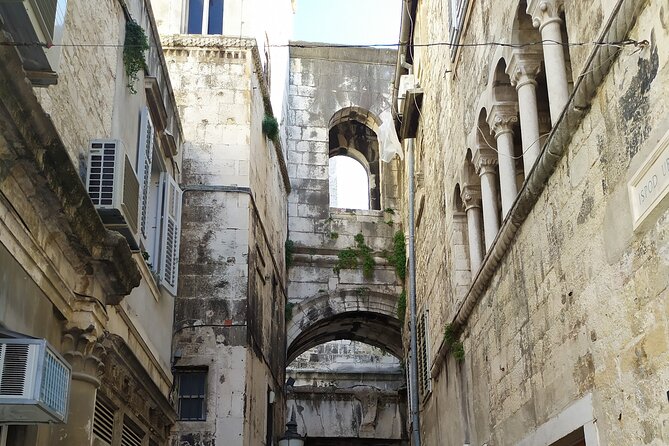 7 / 8
7 / 8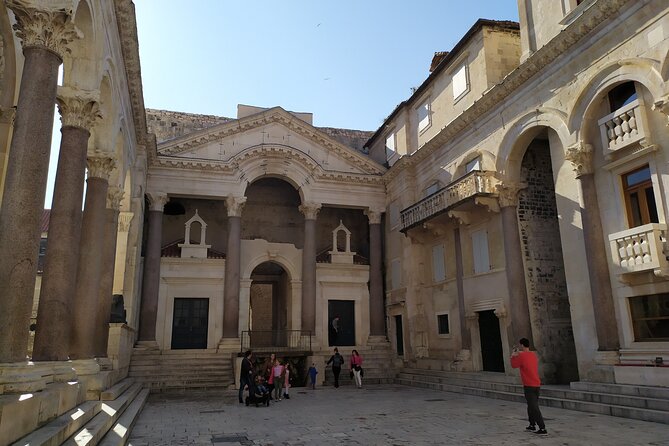 8 / 8
8 / 8This private walking tour of Split, Croatia, costs $155.86 per group (up to 15 people) and lasts approximately 2 hours. Led by a local professional historian with a Master’s degree in history, this tour offers an educational yet lively exploration of the city’s most notable landmarks and hidden spots. The tour features a personalized approach, allowing active participation, questions, and insights tailored to your interests.
What makes this tour stand out is the guide’s expertise and focus on seeing, hearing, and feeling the city’s atmosphere. The use of 3D reconstructions and display images enhances understanding of Split’s history. Since it does not include paid admission tickets, visitors should plan to purchase tickets separately for sites like the Cathedral of Saint Domnius. The tour suits those seeking an in-depth, engaging walk through Split’s past, culture, and everyday life.
Prefer personalized experiences? Here are other private options we've covered in Split
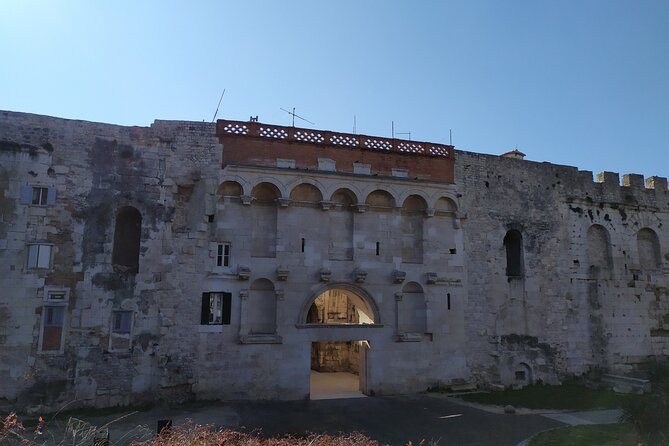
The tour begins at the Golden Gate, the northern entrance to Diocletian’s Palace, an essential starting point for understanding Split’s history. Despite its name, the gate is made of stone and is one of the most famous landmarks in the city. The guide quickly sets the context for the tour, highlighting its significance and role in the city’s defenses. This location’s centrality makes it a convenient and iconic meet-up point.
The Golden Gate offers a glimpse into Roman architecture and acts as a symbolic threshold to the ancient city. From here, the tour smoothly transitions into the story of Split’s historical evolution, making this starting point ideal for those eager to dive into the city’s rich past.
The second stop is at the Gregory of Nin statue, a prominent monument dedicated to the medieval Croatian bishop. The guide shares fascinating stories about Gregory of Nin, a key figure in Croatian history, emphasizing his influence on language and national identity.
This sculpture is the tallest monument in Split, and its sculptor is also discussed during this segment. Understanding Gregory’s role in promoting the Croatian language and culture helps visitors appreciate the historical identity of Split and Croatia as a whole. The 10-minute stop allows for questions and photos, making it a meaningful touchpoint in the tour.
The core of the tour involves a detailed walk through Diocletian’s Palace, one of the best-preserved Roman monuments. The guide explains the palace’s architectural features, its history as a Roman emperor’s retirement residence, and its transformation into a living city hub.
You’ll visit the Palazzo di Diocleziano, learning about its construction, purpose, and layout. As you walk through its courtyards and halls, the guide’s insights bring to life the grandeur of Roman empire architecture and the palace’s ongoing role in modern Split. This stop lasts around 20 minutes, offering a rundown of this UNESCO World Heritage site.
The Peristyle is the bustling heart of Diocletian’s Palace, and the guide highlights its function as a central gathering space in Roman times. Standing in this open-air courtyard, visitors learn about its design, purpose, and how it connected different parts of the palace.
The guide describes how the Peristyle served as a ceremonial and social space, emphasizing its role in the city’s historical fabric. The 20-minute explanation includes stories behind its sculptures and architecture, helping visitors feel the historical vibe of this lively spot.
Next, the tour covers the Temple of Jupiter, an important religious site within the palace complex. The guide discusses the religious life of Romans and the functions of temples dedicated to gods like Jupiter.
While the temple’s current form is part of the palace, the guide explains its historical significance and how it reflected Roman spiritual beliefs. This 10-minute stop enriches understanding of Roman religion, architecture, and the integration of faith into daily life in ancient Split.
The Cathedral of Saint Domnius is one of Split’s most recognizable landmarks. The guide provides an outside view, pointing out key architectural features and narrating stories about its history and artistic highlights.
Visitors learn about the cathedral’s evolution from an ancient mausoleum to a Christian place of worship. The 10-minute stop includes viewing the bell tower and façade, with pointers on significant artifacts and restorations. This site’s prominence makes it a highlight and a must-see in Split’s cityscape.
The Vestibulum, or pre-entrance area of the palace, is another stop where the guide discusses decorative elements and architectural importance. Visitors learn how the Vestibulum reflected the status of the palace’s private chambers and what role it played in access control.
The guide explains the decorations and design choices that signified the space’s importance, giving insight into Roman luxury and status symbols. This 10-minute explanation adds depth to the understanding of Roman residential architecture.
Walking towards Riva Harbor, the tour highlights its history as the main city promenade and its evolution over centuries. The guide shares stories of how Riva was built, emphasizing its importance as a central social and commercial hub for locals.
This 5-minute stop introduces the lively atmosphere of Split’s waterfront, illustrating how the harbor has shaped city life and commerce. The guide’s insights help visitors appreciate Riva’s role in local daily routines and cultural life.
Fruit Square, or Trg Brace Radic, is a charming small square with a significant monument in the middle. The guide discusses why it’s called Fruit Square and the stories behind its surrounding sights.
This 10-minute segment highlights the square’s medieval history, the monument, and its connection to the city’s social life. It’s a great opportunity to absorb the atmosphere of Split’s historic center.
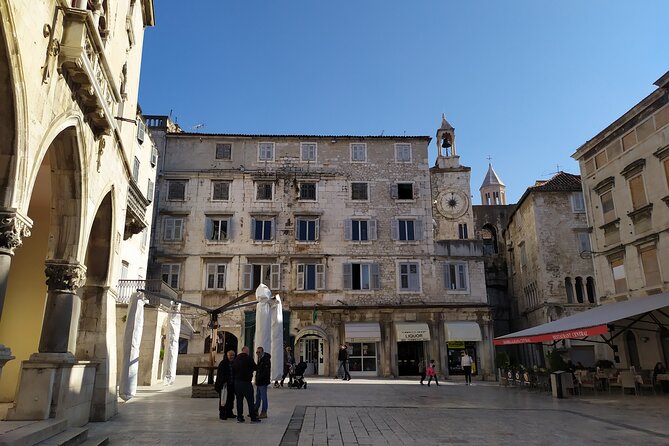
The tour concludes at People’s Square (Pjaca), the medieval main square of Split. The guide describes its historical importance as the focal point for public events, markets, and gatherings.
While the tour generally ends here, the guide recommends exploring nearby sites and other parts of the city. Pjaca remains the cultural heartbeat of Split, making it an ideal spot for visitors to soak in the city’s lively atmosphere.
The tour starts at the Golden Gate in Dioklecijanova 7, and ends at Narodni trg 16, also known as Pjaca Square. The meeting time is flexible, with options between 5:00 PM and 7:00 PM from April 2023 to September 2026.
Since admission tickets are not included, travelers should plan to buy entrance passes for sites like the Cathedral of Saint Domnius separately. The tour is private, catering exclusively to your group, and suitable for most travelers, including service animals.
The tour is led by a guide with a Master’s degree in history who actively encourages questions and discussion. The use of 3D reconstructions and display images greatly enhances understanding, making complex historical structures more accessible.
This attention to visual storytelling helps participants perceive the historical contexts behind each site, adding depth and engagement to the experience.
This personalized, expert-led tour offers an in-depth look at Split’s most important landmarks, history, and everyday life. The private format ensures a flexible pace and tailored narrative, making it ideal for those who appreciate detailed storytelling and active participation.
While it doesn’t include entry tickets, the guide’s thorough explanations and engaging visuals compensate by enriching each stop’s significance. The 2-hour duration strikes a good balance between depth and convenience, especially for visitors with limited time.
This tour is especially suited for history enthusiasts, culture lovers, and those interested in local life. It’s a detailed yet accessible way to understand how Split grew from Roman times to the vibrant city it is today.
Is this tour suitable for children or families?
Since the tour involves walking and detailed historical explanations, it is best suited for older children or adults interested in history and culture.
Are admission tickets included?
No, the tour price does not cover entrance fees. Visitors should purchase tickets separately for sites like the Cathedral of Saint Domnius.
Can I customize the start time of the tour?
Yes, the tour offers flexible starting times, but it’s recommended to contact the provider beforehand.
How long does the tour last?
The tour typically lasts around 2 hours, providing a rundown without being overly long.
What should I wear or bring?
Comfortable walking shoes are recommended, as the tour involves outdoor stops and walking through the Old Town.
Is this a group or private experience?
It is a private tour, exclusively for your group, ensuring a personalized and relaxed experience.