Physical Address
304 North Cardinal St.
Dorchester Center, MA 02124
Physical Address
304 North Cardinal St.
Dorchester Center, MA 02124

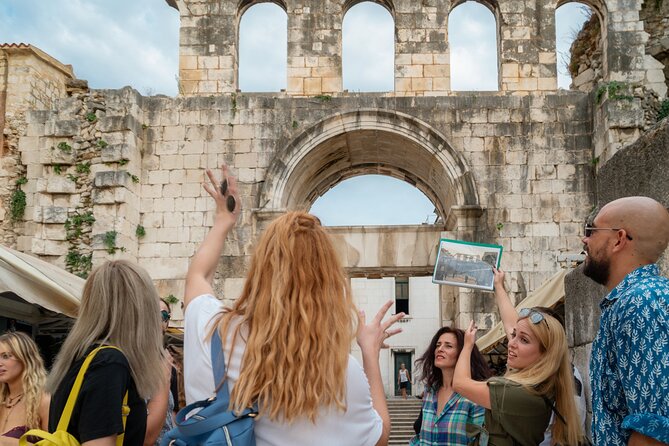
Discover Split’s WWII past with this engaging storytelling tour led by expert guide Ina, featuring historic sites, photographs, and local insights for $59.95.
Exploring Split’s history through the lens of World War II offers a compelling way to understand the city’s past. For $59.95 per person, this 2-hour storytelling tour leads visitors through key landmarks, revealing the impacts of war on the local community. The tour is designed for history enthusiasts, offering an immersive experience with archival photographs, detailed explanations, and visits to important sites like Diocletian’s Palace and the Green Market. A major strength of this tour is the passionate, licensed guide Ina, who expertly shares stories of struggles, sacrifices, and the Jewish community’s fate in Split. The tour features pickup options and group discounts, making it accessible and flexible. While the tour covers a lot in a short time, it’s best suited for those eager to explore details of Split’s wartime history in a compact, engaging format.
 1 / 8
1 / 8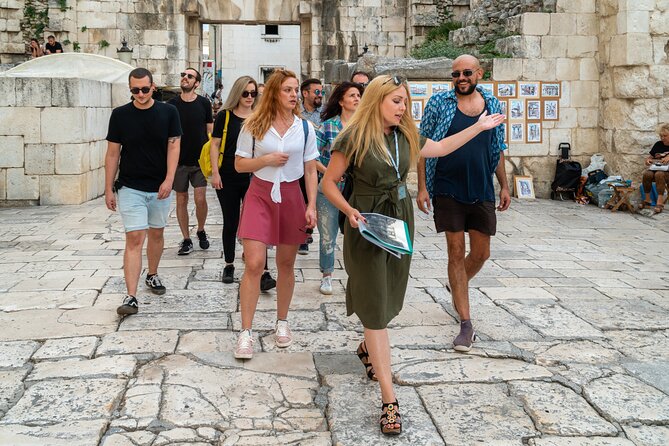 2 / 83 / 8
 4 / 8
4 / 8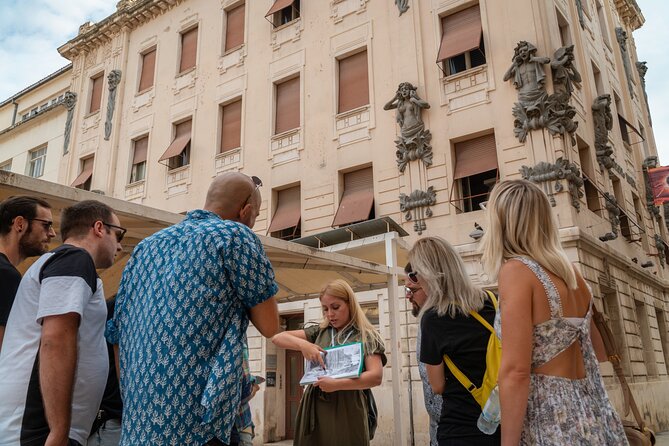 5 / 8
5 / 8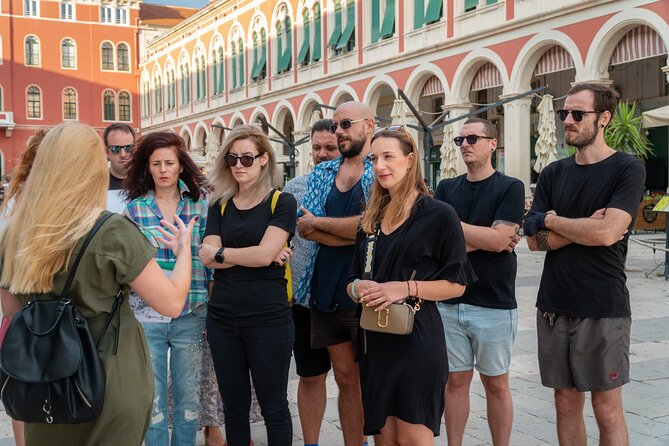 6 / 8
6 / 8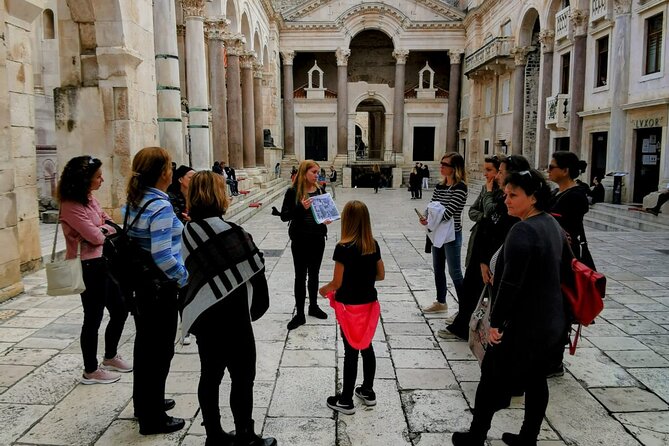 7 / 8
7 / 8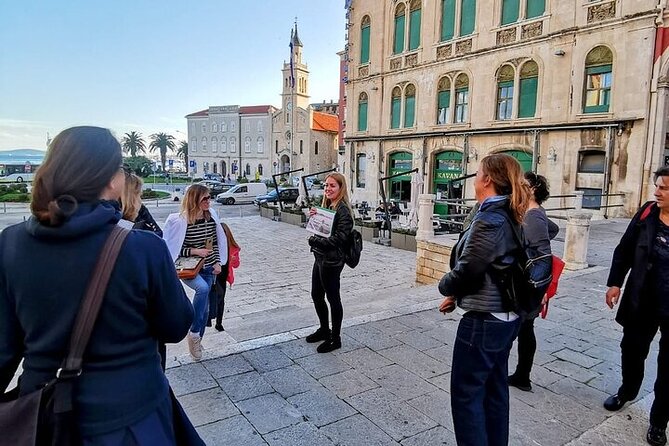 8 / 8
8 / 8
The tour kicks off at Split Riva, a lively waterfront area where the war in Split is first introduced. Here, the guide explains when, where, and why the conflict started in Split, setting the scene for the subsequent stops. This initial segment takes about 15 minutes and is a great opportunity to get oriented before moving to more detailed sites. The free admission makes this a perfect introduction for those curious about the local outbreak of WWII.
Planning more time in Split? We've covered other experiences worth considering.
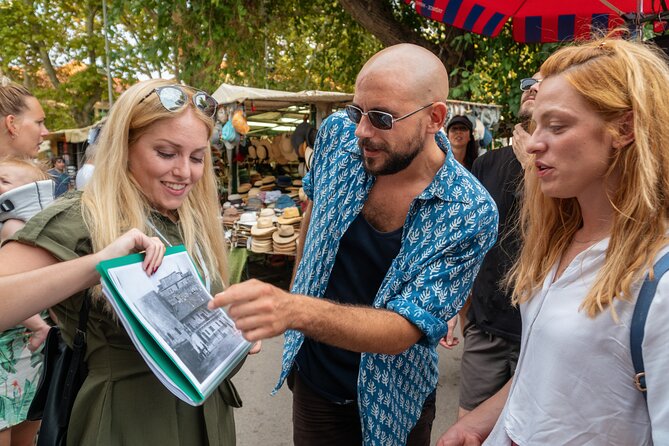
Next, the Green Market becomes the focus, where the guide details the most horrific bombing in Split. This stop offers a vivid picture of wartime destruction, with stories about the bombings and their effects on the local population. Visitors learn about the suffering and resilience of those who endured these attacks. The 15-minute visit here is complemented by archival photographs that bring the history to life, providing a visual connection to the past.
The Eastern Gate, also known as the Silver Gate, marks the entrance to Diocletian’s Palace. This historic site serves as a backdrop to understanding how ancient architecture was affected during WWII. The short 5-minute stop introduces visitors to the attack damage on this Roman monument, linking ancient history with wartime events. It’s a quick but meaningful glimpse into the city’s layered past.
The Peristyle of Diocletian’s Palace is the next highlight, where the guide shows which parts of this Roman emperor’s palace were targeted during WWII. With about 15 minutes allocated, visitors see the damage caused by bombings and hear stories about the struggles of preserving the site amidst conflict. The archival photographs help illustrate the changes over time, emphasizing the destruction and resilience of Split’s historic architecture.
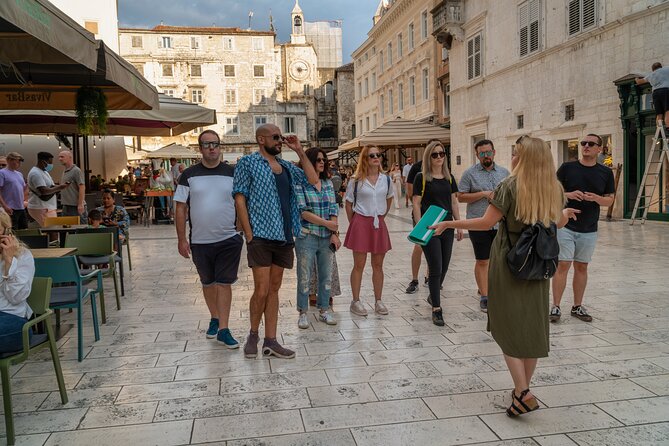
The main city square, Pjaca, takes center stage next. Here, the guide discusses terrible wartime events that took place in this bustling area. The 15-minute stop reveals the human stories behind the square, such as prisoners and executions. Visitors gain a deeper understanding of the civil unrest and suffering that impacted everyday life in Split during the war.
Marmontova Ulica, the main street of Split, becomes a quick 5-minute stop where the guide points out sites touched by war. This street’s history as a witness to the horrors of WWII adds context to the city’s wartime experiences. Observing this street today, visitors can imagine how it once bore silent witness to conflict and hardship.
The tour concludes at Prokurative, a historic square where the guide explains prisons and executions that took place during WWII. The 15-minute segment offers a sobering reflection on the cost of war, highlighting the darker chapters of Split’s history. The free access and informative stories make this a powerful ending to the experience.
Throughout the tour, archival photographs from the Museum of the City of Split are used to visualize wartime events. Although not on permanent display, they are accessible through the guide’s permission, adding depth to the storytelling. These images help visitors connect past and present visually, making the history more tangible.
The tour starts at Obala Hrvatskog narodnog preporoda 27 and ends at Trg Republike (Prokurative square). Both locations are within the old historic center of Split and are easily accessible via public transportation. The group size is limited to 15 travelers, ensuring plenty of opportunities for questions and interaction. The meeting point is flexible within the city center, accommodating different group arrangements.
Ina Nikolic, a local licensed guide, leads the tour with a passion for history and a talent for storytelling. Reviews praise her as knowledgeable and friendly, with many noting her ability to present details not found in standard history books. Her use of photos and her depth of knowledge make the experience engaging and informative. The tour often exceeds the scheduled time because of her willingness to answer questions and share additional insights.
The tour costs $59.95 per person, making it a reasonable option for those interested in focused, historical exploration. It is typically booked 20 days in advance, indicating good demand and planning. Pickup options are available, and group discounts can further enhance value. The tour lasts approximately 2 hours—a manageable length for most visitors.
This experience offers free cancellation up to 24 hours before the start, making it flexible for travelers’ plans. Service animals are permitted, and the tour is suitable for most travelers, emphasizing its accessibility. The short duration and easy walking pace make it feasible for a wide range of visitors.
This storytelling tour delivers a well-rounded view of Split’s WWII history through visits to key landmarks and archival photographs. The expert guidance of Ina ensures that each stop is both informative and emotionally impactful. The limited group size fosters a personal experience and allows for meaningful questions.
While the tour covers significant wartime events and offers deep local context, it remains a short, focused overview rather than an exhaustive history. It’s best suited for history buffs and curious travelers who want an insightful narrative rather than a lengthy explore.
For anyone interested in understanding Split’s wartime past through a passionate storytelling approach, this tour offers excellent value and a chance to see the city’s historic sites with new eyes.
What is the price of the tour?
The tour costs $59.95 per person.
How long does the tour last?
The experience lasts approximately 2 hours.
Where does the tour start and end?
It begins at Obala Hrvatskog narodnog preporoda 27 and ends at Trg Republike (Prokurative square).
Is transportation provided?
Pickup options are offered, but public transport is nearby and easily accessible.
Is the tour suitable for all ages?
Most travelers can participate, and the physical requirements are manageable.
What makes this tour unique?
It features archival photographs, a local licensed guide, and visits to historic landmarks with detailed stories about Split during WWII.
Can I cancel the tour?
Yes, there is free cancellation available up to 24 hours before the scheduled start.
How many people are in each group?
The maximum group size is 15 travelers, ensuring a personalized experience.
Is the guide knowledgeable about other historical periods?
Yes, the guide also presents information from ancient times and updates history to the 90s wars.
Are there any special tips for booking?
Booking 20 days in advance is recommended due to popularity, and group discounts are available for larger groups.
This Storytelling World War II in Split Tour offers a thoughtful, well-led look into the city’s wartime history, blending visual aids, local insights, and powerful storytelling to make history accessible and meaningful.