Physical Address
304 North Cardinal St.
Dorchester Center, MA 02124
Physical Address
304 North Cardinal St.
Dorchester Center, MA 02124

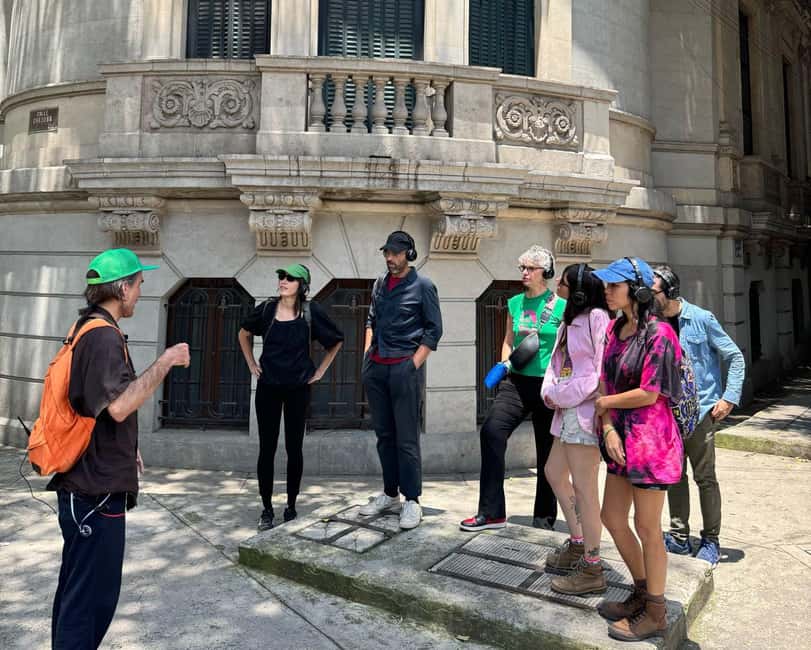
Discover Mexico City's Colonia Roma through a 2.5-hour musical walking tour with wireless headphones, exploring architecture, culture, and Mexican music history.
 1 / 6
1 / 6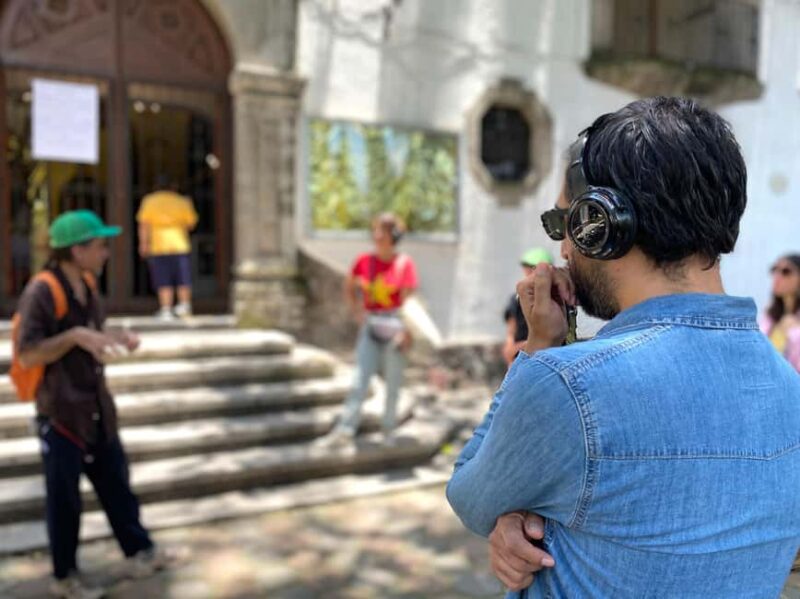 2 / 63 / 6
 4 / 6
4 / 6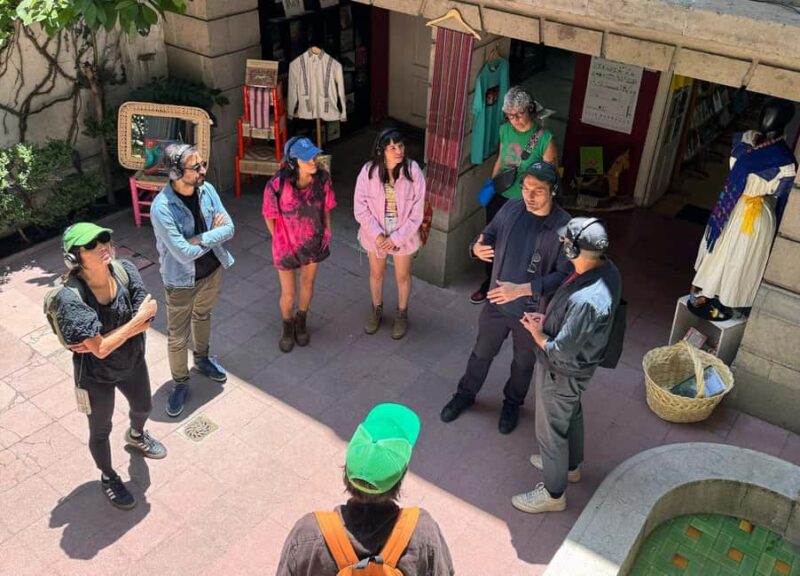 5 / 6
5 / 6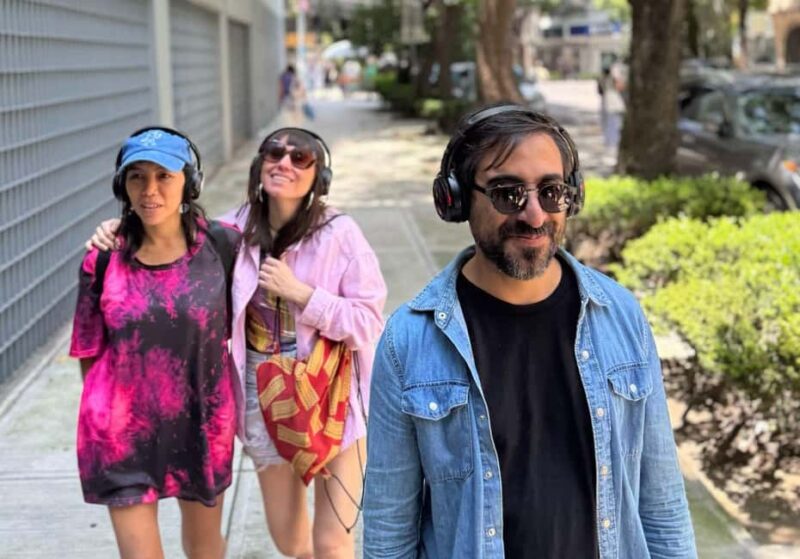 6 / 6
6 / 6The Mexico City: Colonia Roma Musical Walking Tour offers an engaging way to experience one of the city’s most dynamic neighborhoods. Priced at $23 per person, this 2.5-hour guided walk highlights the neighborhood’s architectural evolution, cultural practices, and the roots of Mexican popular music. The tour departs from Plaza de Romita, starting in front of the Capilla de San Francisco Javier, and includes wireless headphones for a seamless listening experience.
What makes this journey stand out is its blend of architecture, cultural storytelling, and vernacular music. Led by Gabriel Acevedo Velarde, a visual artist with a master’s degree in art and theory, the tour combines visual insights with musical elements. While the tour involves walking, it remains accessible to most, though it’s not suitable for children under 16 or individuals with mobility impairments. The experience is ideal for those interested in Mexico City’s social history, urban development, and musical traditions.
You can check availability for your dates here:
For broader city exploration in Mexico City, we've covered these other tours
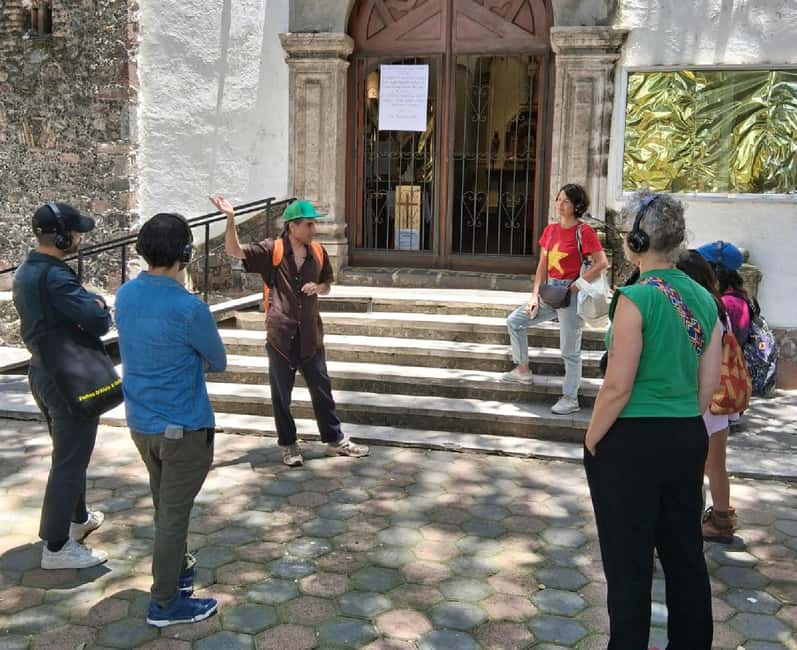
The tour starts in Plaza de Romita, a charming spot in the northeast corner of Colonia Roma. Participants gather in front of the Capilla de San Francisco Javier, a colonial-style chapel, where the guide, identifiable by a green, trucker-style cap, welcomes the group. The small group size ensures ample attention from the guide, creating a friendly environment for questions and interaction.
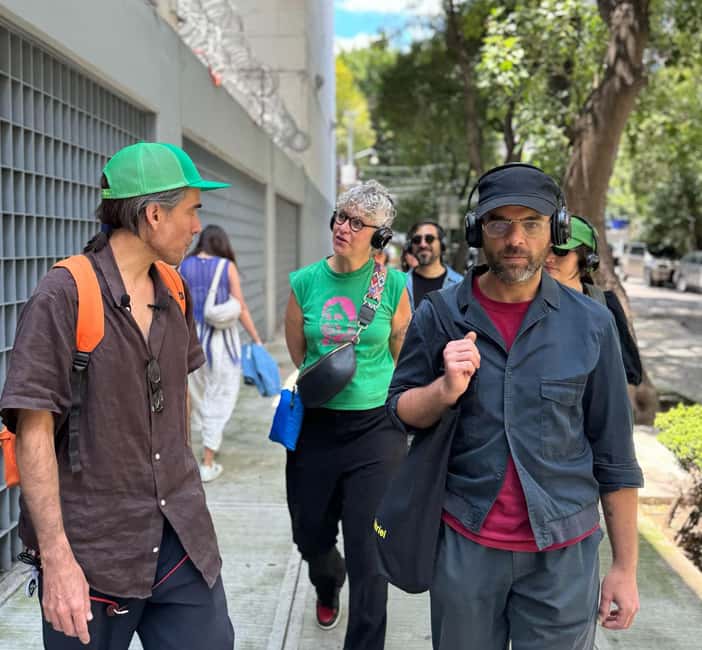
After gathering, the group moves into the neighborhood, exploring via wireless headphones that deliver high-quality sound, making it easier to focus on the guide’s commentary and the vernacular music played throughout the tour. The walking pace is manageable, with several guided stops designed to highlight specific locations and cultural points.
The first stop at La Romita introduces the neighborhood’s origins. A 15-minute guided tour provides context about the neighborhood’s colonial past and its role in Mexico City’s urban development. The guide explains how La Romita was once a separate town, maintaining its own identity before merging into the city’s fabric.
This section also emphasizes how architecture reflects Mexico’s evolving identities. The neighborhood’s buildings and layout serve as visual cues to its historical transformation. The guide’s explanations help connect the physical environment to broader social and political shifts, making the architecture come alive.
Throughout the tour, visitors learn about vernacular elements such as the origin of tortillas and the devotion to the Virgin of Guadalupe. These cultural markers are woven into the narrative as elements that have shaped Mexican identity over centuries.
The guide shares stories about how these traditions are embedded in everyday life and how they relate to Mexico’s political history. Visitors gain insight into how local customs and religious devotions intertwine with the neighborhood’s physical and social landscape.
More Great Tours Nearby
A key focus of the tour is the musical aspect. The African roots of mariachi music form a core part of the story. The guide explains how vernacular music in Mexico is linked to African influences, illustrating the country’s diverse cultural makeup.
The musical segments are played through wireless headphones, giving a clear and immersive experience. These snippets enable participants to appreciate the rhythms and melodies that have shaped Mexican popular music, highlighting its deep connection to Mexico’s social and political history.
If you're drawn to exploring Mexico City on foot, we've looked into these other walking experiences
A brief stop at the Museo del Objeto del Objeto adds a tactile element to the tour. A 5-minute guided visit introduces visitors to the museum’s collection, which emphasizes everyday objects and their cultural significance in Mexico. This stop reinforces how material culture reflects broader societal changes.
The tour continues with visits to spots that showcase modern urbanization within Colonia Roma. The guide discusses how the neighborhood has grown from colonial origins to a vibrant, contemporary district, blending old and new architecture.
Participants learn about the cultural processes that have driven this transformation, including urban planning and social movements. The 15-minute segment offers insights into how Mexican identities are expressed through the city’s changing landscape.
A 10-minute break provides a chance for participants to absorb what they’ve learned, take photos, or chat with the guide. This pause helps balance the tour’s pacing and allows for informal questions about the neighborhood’s history and culture.
The subsequent guided stops delve deeper into local heritage and vernacular architecture. These short segments, ranging from 3 to 15 minutes, focus on specific sites, connecting physical landmarks to the broader cultural story.
The guide’s knowledge enhances each stop, providing context that makes the neighborhood’s streets and buildings meaningful. These segments are concise but rich in detail, perfect for those interested in architecture and cultural history.
The last part of the tour focuses on Roma’s community spirit and modern cultural expressions. The guide explains how contemporary art, music, and social movements continue to shape the neighborhood’s identity.
The tour concludes at Scouts de México – Grupo Scout 320 Roma, a fitting location that symbolizes community engagement and youth activism, tying the experience together with a sense of local pride.
The tour involves walking, so comfortable shoes are recommended. It’s conducted in English, with live guides explaining the connections between architecture, music, and social history. The use of wireless headphones ensures clarity, even in busy areas.
The tour is not suitable for children under 16 years, or for individuals with mobility or sensory impairments. No food, drinks, or transportation are included, and the meeting point is easy to find in the neighborhood’s northeast corner.
This guided walking experience offers a unique combination of visual, musical, and cultural insights. For $23, participants get access to a knowledgeable guide, wireless audio, and a curated route through Colonia Roma’s history. Its focus on Mexican identities, vernacular music, and architecture makes it especially appealing for those who want an in-depth, engaging introduction to this vibrant neighborhood.
The small group size enhances interaction and ensures a personalized experience, making it ideal for travelers keen on learning from an expert like Gabriel Acevedo Velarde. The tour’s length and depth strike a balance, providing enough substance without feeling rushed.
The Mexico City: Colonia Roma Musical Walking Tour stands out as a meaningful way to explore Roma’s architectural evolution, cultural traditions, and musical roots. Its unique blend of storytelling, music, and visual insights offers a rich, immersive experience that deepens understanding of Mexico’s social fabric.
While it’s best suited for adults and older teens interested in history, culture, and urban design, the tour’s engaging narration and focus on vernacular music make it a compelling choice for anyone curious about Mexico City’s lively neighborhoods. Its affordable price, small group setting, and specialized content make it a worthwhile addition to a Mexico City itinerary.
Is this tour suitable for children?
No, the tour is not recommended for children under 16 years old due to walking requirements and content.
What languages is the tour conducted in?
The tour is offered in English and Spanish.
Are food and drinks included?
No, the tour price does not include food or drinks. Participants should plan accordingly.
Is the tour accessible for people with mobility issues?
No, it is not suitable for individuals with mobility impairments or wheelchair users.
Where does the tour start?
It begins at Plaza de Romita, in front of the Capilla de San Francisco Javier.
How long does the tour last?
The tour duration is 2.5 hours.
What is included in the price?
Participants receive wireless headphones, vernacular music, and a guided walking tour.
Is there a cancellation policy?
Yes, it offers free cancellation if canceled up to 24 hours in advance.
How many people are in each group?
The group is limited to 8 participants for a more personalized experience.
What makes this tour different from other Mexico City experiences?
It uniquely combines architecture, cultural stories, and vernacular music in a small-group, walkable format, offering insights into Mexican identities and urban history that are hard to find elsewhere.