Physical Address
304 North Cardinal St.
Dorchester Center, MA 02124
Physical Address
304 North Cardinal St.
Dorchester Center, MA 02124

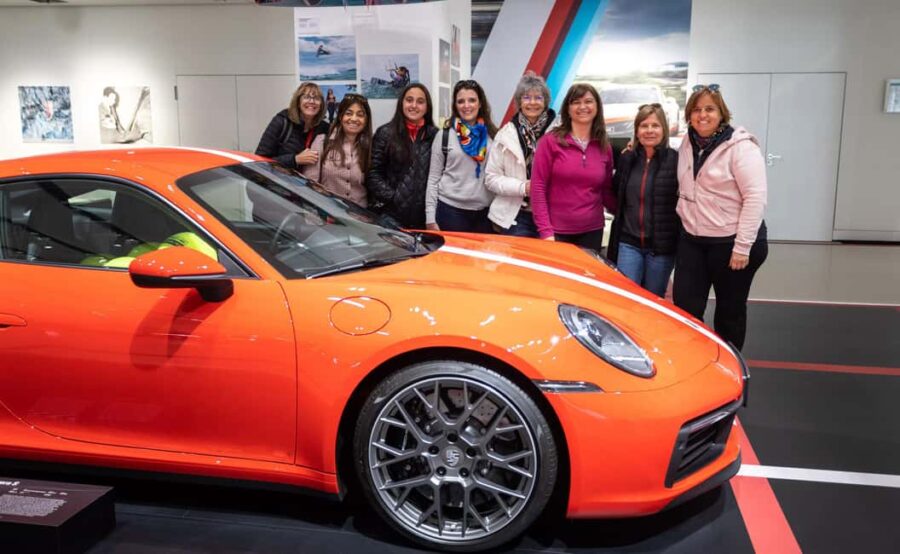
Discover Berlin’s automotive history on a 3-hour guided tour, visit Germany’s first traffic light, a classic car workshop, and explore future mobility at a showroom.
The Berlin: Automobile History Tour with Classic Car Visit offers a compact yet insightful journey into the city’s role in automotive development. Spanning 3 hours, this guided tour departs from Potsdamer Platz and takes visitors through Berlin’s fascinating history with the automobile, blending historical insights with modern discussions about future mobility. The tour is suitable for those interested in Germany’s automotive heritage, classic cars, and urban history. It operates with a live English-speaking guide and is wheelchair accessible, making it inclusive and straightforward to join.
One of the tour’s standout features is its focus on Germany’s first traffic light, a symbol of Berlin’s pivotal role in traffic management and vehicle regulation. Visitors also explore a showroom to discuss future mobility trends, including the influence of Chinese industry, and visit a workshop showcasing some of Berlin’s finest classic cars. While it offers a compact overview, it appeals most to those who appreciate historical stories and automotive design.
You can check availability for your dates here: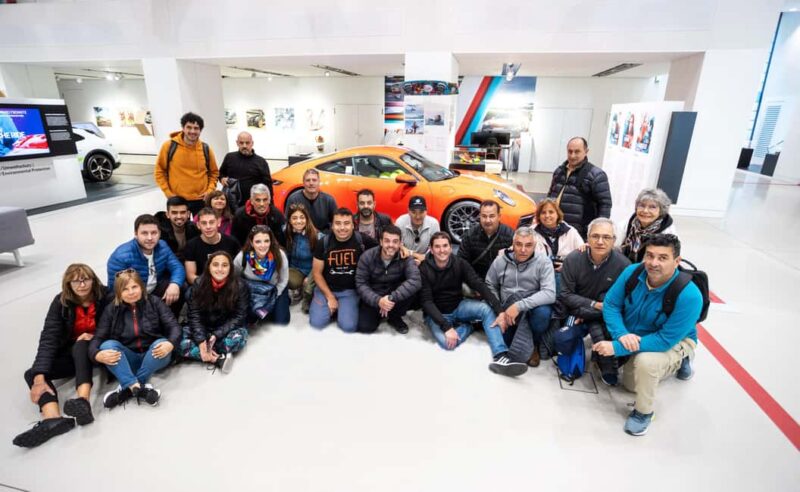
Interested in history? Here are other past-focused experiences we've examined in Berlin
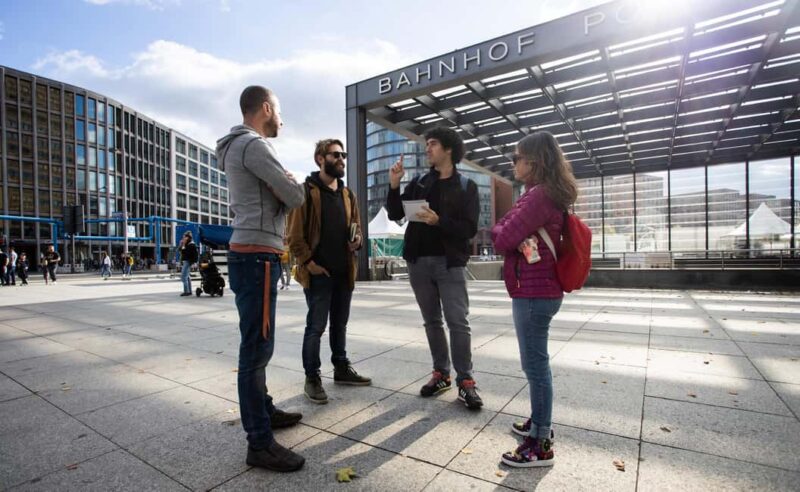
This tour begins at the Potsdamer Platz 10, specifically at the door of Espresso House—a location marked by a prominent large sign. The coordinates are 52.508216857910156, 13.376998901367188, making it easy to find on foot or via public transport. The end point of the tour is at Beusselbrücke, near Train Station Beusselstraße, facilitating easy onward travel or connections.
The tour includes no upfront payment, allowing flexible reservation with the option to pay later. It is also cancelable up to 24 hours in advance for a full refund, offering peace of mind for spontaneous plans. With a live English guide, participants can expect clear explanations and engaging storytelling. The duration of 3 hours makes it an accessible option for those with limited time but a keen interest in automotive history.
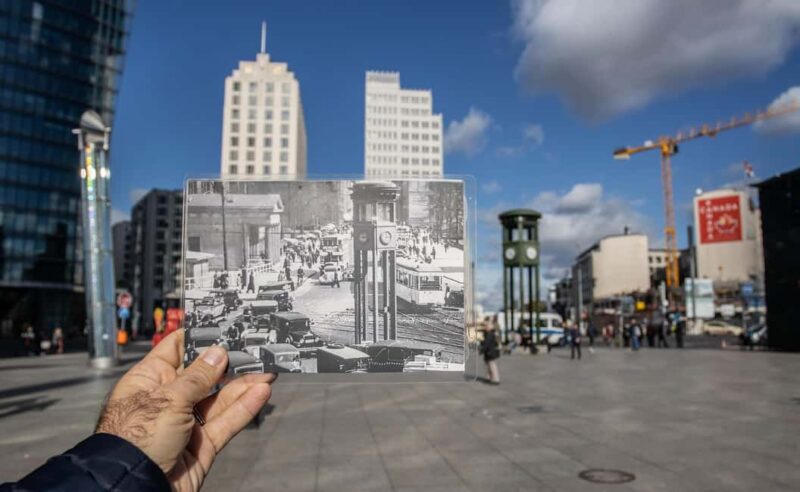
A key highlight is the visit to Germany’s first traffic light, which emphasizes Berlin’s role in traffic management innovations. The guide recounts how this traffic light marked a turning point in urban mobility and traffic regulation. Learning about this historic artifact offers insight into how vehicle flow and safety in Berlin evolved over the 20th century. This stop is not only educational but also provides a tangible link to Berlin’s technological progress.
Understanding the traffic light’s significance helps visitors appreciate Berlin’s pioneering spirit in modern transportation. The guide also discusses how automobile use and urban planning intertwined during Berlin’s development, making this stop both informative and visually engaging.
The showroom visit stands out as a modern contrast to the historic stops. Here, the guide facilitates a discussion on the future of mobility, touching on technological advancements like electric vehicles and decarbonization efforts. Visitors get a chance to see a car up close, which helps connect theory with real-world technology.
A significant topic during the showroom visit is the threat posed by China to the German automotive industry, providing a business perspective on global competition. This discussion makes the tour relevant to current industry trends and economic challenges. The ability to enter a car and observe its features firsthand offers a tangible experience for those curious about how mobility might evolve.
More Great Tours Nearby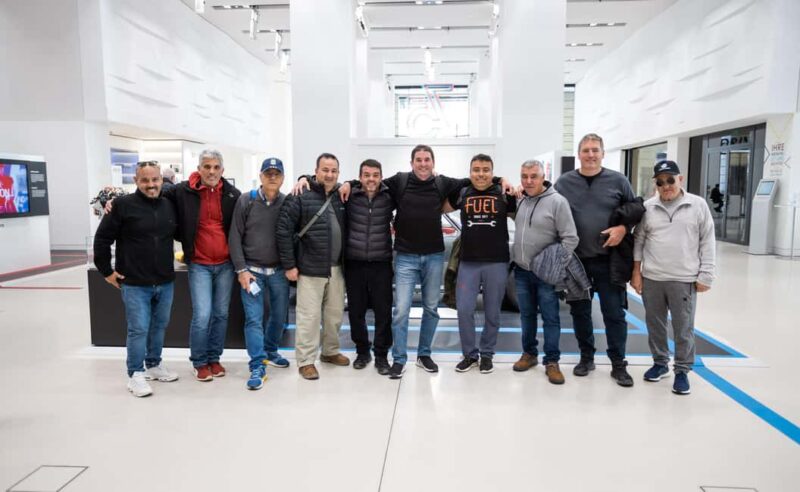
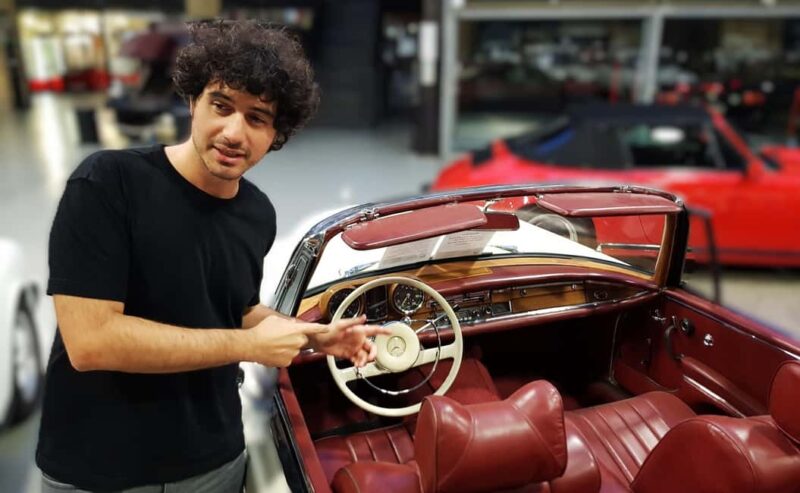
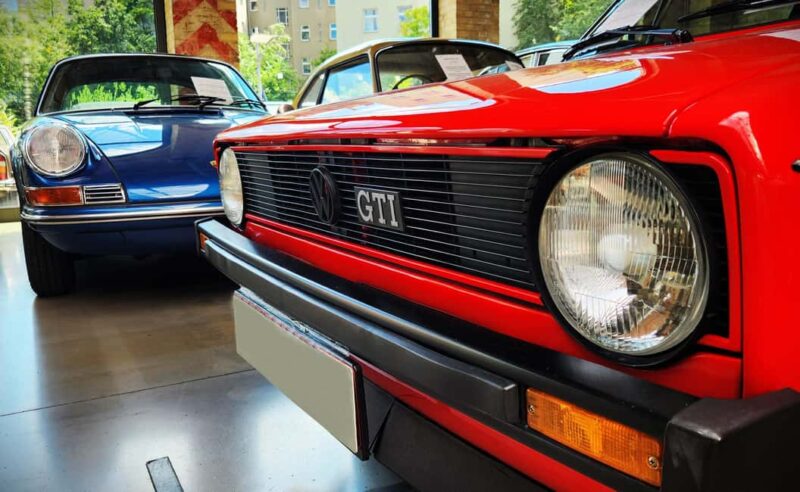
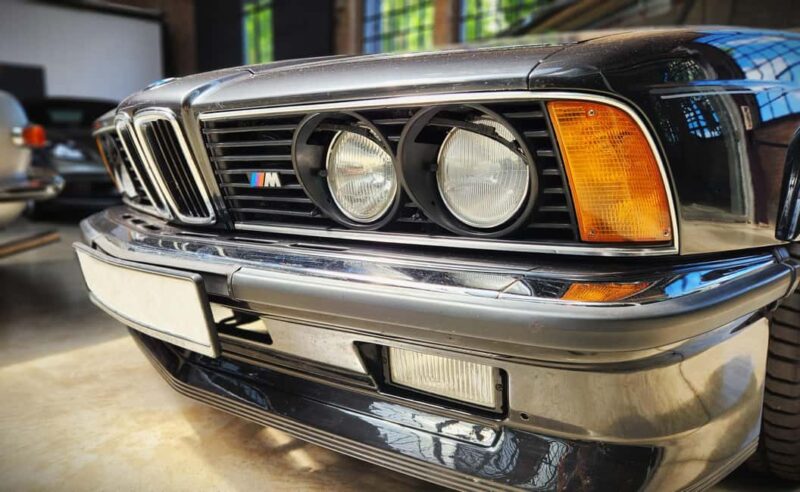
The workshop visit showcases some of Berlin’s finest classic cars, allowing for a visual and historical journey through automotive design. The guide shares stories about the most important cars in history present in the workshop, illuminating their origins, design features, and cultural significance.
This stop reveals Berlin’s best-kept secret—a space where history and craftsmanship come together. The collection includes iconic models that have played roles in politics, culture, or technological innovation. Visitors can walk around these vehicles, gaining insight into their legacy and restoration stories.
A compelling part of the tour is the discussion about how the Nazi regime used automobiles for propaganda purposes. The guide explains how cars became symbols of power, progress, and national pride during that era. This segment offers a thought-provoking perspective on the intersection of automotive technology and political influence.
Understanding this history enriches the narrative of Berlin’s automotive scene, showing how vehicles were not just tools but also ideological instruments. This context deepens appreciation for the complex role cars have played in shaping socio-political landscapes.
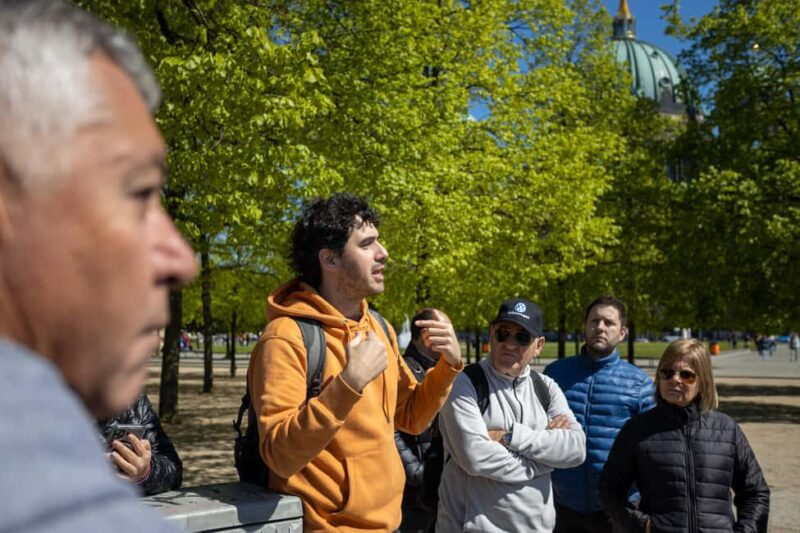
The pacing of the tour balances historical narration with visual exploration, making the 3 hours feel engaging but not rushed. The visit to each site is structured to maximize learning and viewing opportunities without overwhelming participants. The wheelchair accessibility ensures that a broad audience can comfortably experience the tour, respecting the needs of visitors with mobility considerations.
Participants should wear comfortable shoes and be prepared for some walking, though no strenuous activity is required. The group size remains manageable, fostering a more personalized experience with the guide’s insights.
Unlike broader city tours, this automobile-focused experience offers a dedicated look at Berlin’s contributions to vehicle innovation and automotive culture. The inclusion of historic landmarks, modern industry discussions, and classic car collections creates a comprehensive picture of Berlin’s automotive legacy.
The tour’s location at Potsdamer Platz is significant, as it is a central hub rich in history related to urban development and technology. The combination of historical landmarks and contemporary industry makes this an informative and entertaining choice for enthusiasts of history, technology, or classic cars.
This 3-hour guided tour offers a well-rounded exploration of Berlin’s automotive past and present. The visit to Germany’s first traffic light and the classic car workshop are particularly engaging stops that bring history to life. Meanwhile, the showroom discussion about future mobility keeps the experience relevant and forward-looking.
The expert guidance and accessible format make it suitable for history buffs, car enthusiasts, or anyone wanting to understand Berlin’s role in transportation innovations. While the tour covers a compact scope, its depth and storytelling provide a valuable overview of how vehicles have shaped Berlin’s identity.
Is the tour suitable for wheelchair users?
Yes, the tour is wheelchair accessible, making it suitable for visitors with mobility needs.
Where does the tour start and end?
It begins at Potsdamer Platz 10, at the door of Espresso House, and ends at Beusselbrücke, near Train Station Beusselstraße.
Can I cancel or reschedule the tour?
Yes, you can cancel up to 24 hours in advance for a full refund and reserve now, pay later to keep plans flexible.
What are the main highlights of the tour?
Key highlights include Germany’s first traffic light, a showroom discussing future mobility, and a classic car workshop featuring important models.
Is the tour suitable for children or families?
The tour’s length and content make it accessible for most ages, especially those interested in cars and history, but no specific age restrictions are mentioned.
How long is the entire experience?
The tour lasts approximately 3 hours, making it a manageable activity for most schedules.