Physical Address
304 North Cardinal St.
Dorchester Center, MA 02124
Physical Address
304 North Cardinal St.
Dorchester Center, MA 02124


Explore Berlin's early history on a 3-hour private guided tour, visiting ancient sites, fragments of the city wall, and the unique Dance of Death for a deep historical dive.
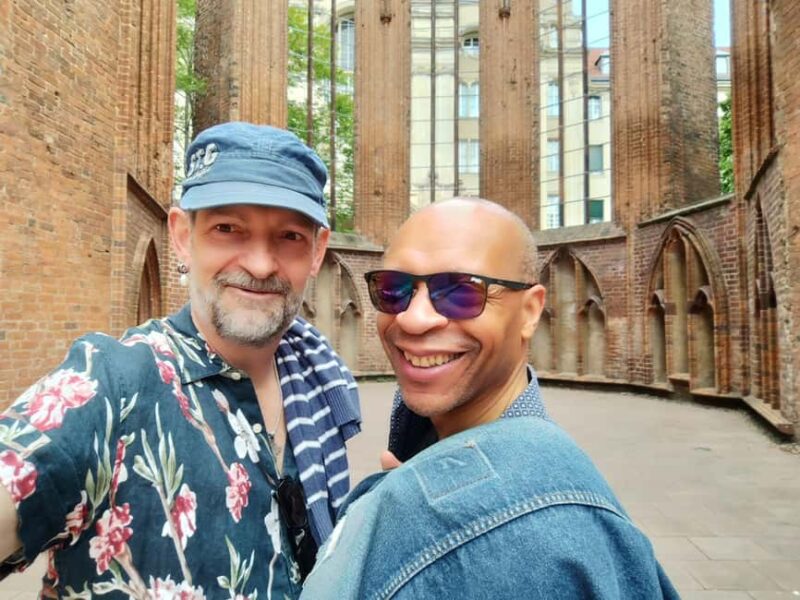
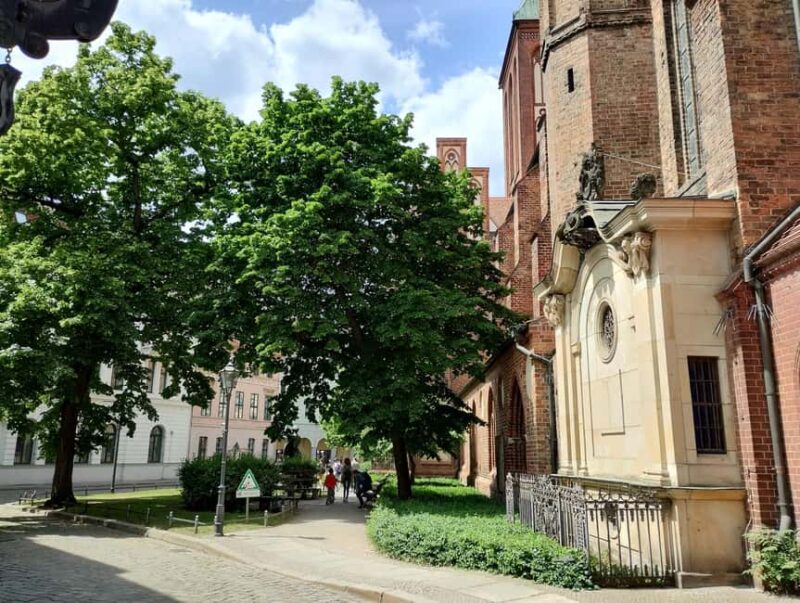
This 3-hour private tour through Old Berlin offers a deep look into the city’s early history, starting from medieval times and extending to its emergence as the capital of Prussia. For those interested in historical architecture and stories often overshadowed by Berlin’s 20th-century events, this journey provides a fresh perspective. Priced at $353 per group—up to 15 people—it combines engaging storytelling with a well-planned itinerary, perfect for history buffs, curious locals, or visitors eager to understand Berlin’s roots.
While many tours focus on the Third Reich or Cold War, this experience emphasizes Berlin’s medieval twin cities, Cölln and Berlin, and explores early landmarks and relics. The guide introduces fragments of the first city wall, a rare glimpse into the city’s original defenses, and highlights Berlin’s unique historical sites that have survived or been excavated in recent years. This tour is ideal for those who want an intimate, detailed exploration of Berlin’s lesser-known past.
For broader city exploration in Berlin, we've covered these other tours
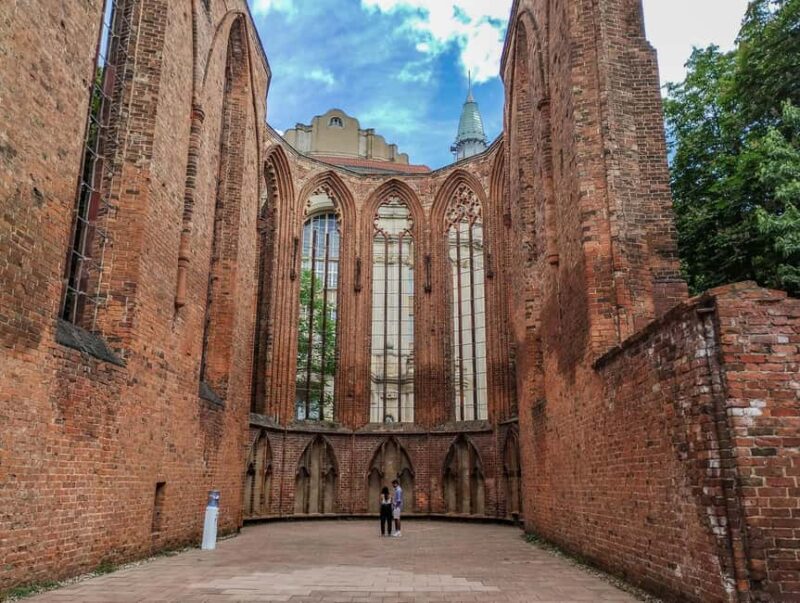
The tour begins conveniently at the Klosterstraße underground station, setting the tone for a comprehensive walk through Berlin’s history. From here, the guide leads you through important archaeological sites and ruins, starting with a guided visit of the Klosterruine—the monastery ruins that hint at medieval Berlin’s religious life. Each stop is brief but packed with historical insights, giving context to how Berlin grew from a small settlement to a major European capital.
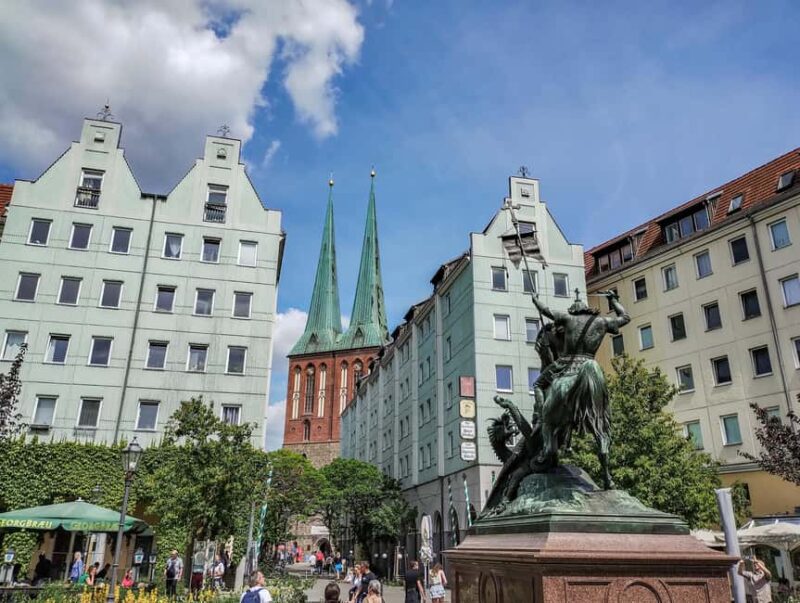
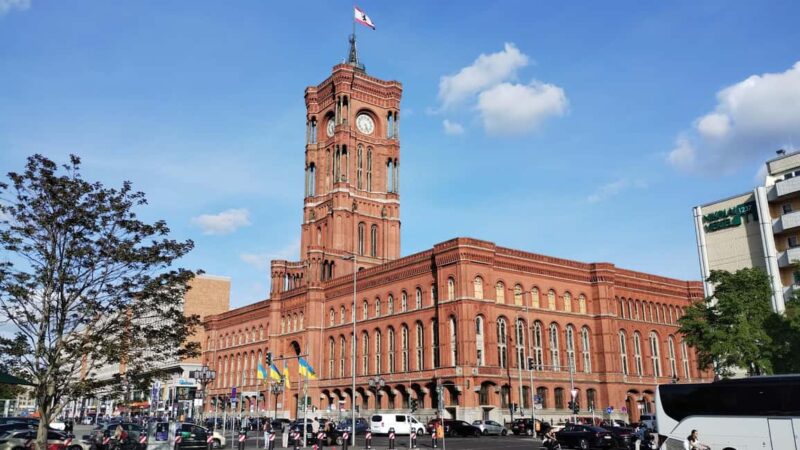
The stops include the Parochialkirche, Old City Hall, and Nikolaiviertel, a neighborhood that reflects medieval architecture and early urban development. The Rotes Rathaus (Red Town Hall) and Neptunbrunnen (Neptune Fountain) provide further glimpses into Berlin’s evolving cityscape, with stories that stretch back centuries. The walk is approximately 4-5 km, making it manageable for most participants, and the guide ensures each site’s significance is clearly explained.
One of the tour’s highlights is a visit to Museum Island, home to some of Berlin’s most iconic museums, including the Altes Museum. The guide offers a guided tour of Museum Island, discussing its role in Berlin’s cultural history and how it fits into the city’s archaeological narrative. Next, the Humboldt Forum—a striking building that now houses exhibitions—serves as a modern contrast to the city’s medieval origins and symbolizes Berlin’s continuous cultural evolution.
These stops provide visual and contextual contrast between ancient artifacts and modern cultural institutions. The tour helps visitors understand how Berlin’s history is layered, from early settlements to modern museums, bridging past and present seamlessly.
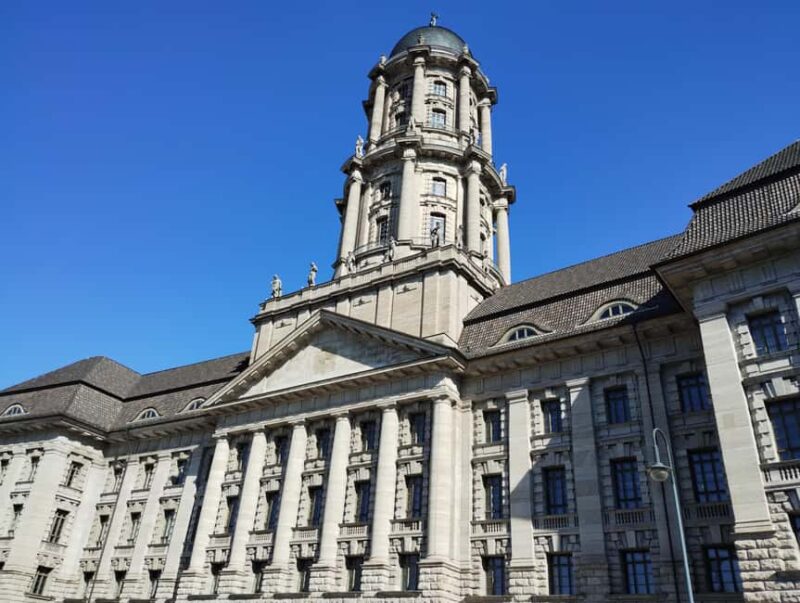
Following the cultural stops, the tour continues along Unter den Linden, the famous boulevard that has been central to Berlin’s urban development since the 17th century. The guide shares stories about the historical significance of the boulevard, leading to Gendarmenmarkt, one of Berlin’s most notable squares. Here, travelers admire the Gendarmenmarkt Church and the Konzerthaus, both with roots tracing back to the 18th century.
The walk provides a pace that balances sightseeing with storytelling, giving insight into Berlin’s architectural evolution and its role in early city planning. The accompanying commentary helps bring to life Berlin’s transformation from a medieval trading hub into a cultural and political center.
More Great Tours Nearby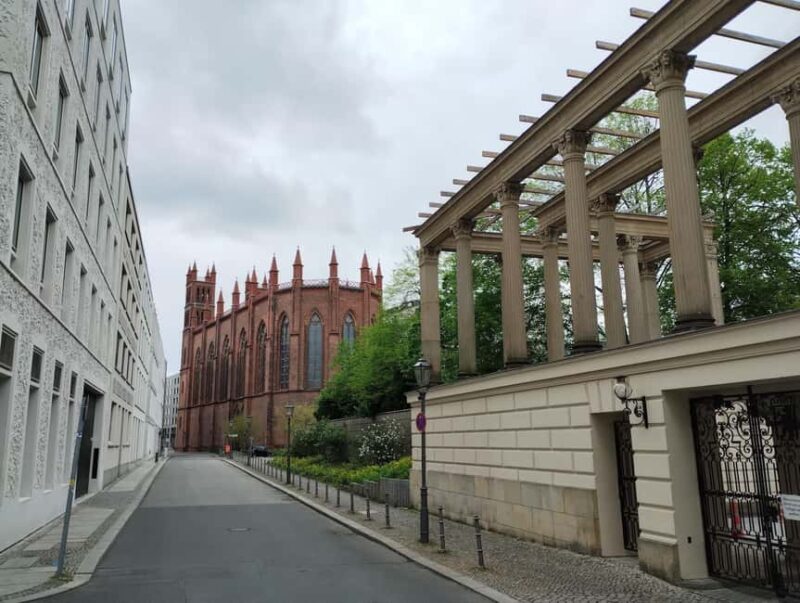
A highlight of this tour is the visit to Berlin’s only surviving Dance of Death, a rare medieval artwork that depicts memento mori themes—a reminder of death’s universality. The guide explains its symbolism and historical context, making it a fascinating insight into medieval European culture.
In addition, the tour introduces fragments of the first city wall, providing tangible evidence of Berlin’s earliest defenses, and a fascinating model portraying Berlin circa 1900. This model vividly illustrates the city’s expansion during the Prussian era, offering a visual representation of how Berlin grew over the centuries.
The tour also points out Berlin’s largest stone bowl, a Biedermeier wonder of the world, showcasing craftsmanship and design from the early 19th century. These artifacts give tangible links to Berlin’s early history and cultural development.
Interested in history? Here are other past-focused experiences we've examined in Berlin
The tour concludes at the Brandenburg Gate, a symbol of Berlin’s resilience and unity. Along the way, the guide highlights St. Hedwig’s Cathedral and Bebelplatz, places rich in historical and political significance. The route covers key sites that connect Berlin’s medieval origins to its modern identity.
Ending at the Brandenburg Gate, the tour offers a perfect photo opportunity and a sense of completion for a journey through Berlin’s early history. The walk back or further exploration is easy, as the area is well-connected and full of additional sites to visit.
The meeting point at the Klosterstraße subway station is easy to find, with clear signage to the “Spandauer Straße, Nikolaiviertel” exit. For convenience, hotel pickup is available, and cancellation is free if made 24 hours in advance, making this experience flexible for changing plans.
The tour is designed as a private experience, with a maximum of 15 participants, ensuring personal interaction and tailored storytelling. It is wheelchair accessible, accommodating visitors with mobility needs. The duration of 3 hours makes it a manageable and focused exploration, suitable for most fitness levels.
The expert guide leads participants through historic sites, providing informative narratives in German and English. The tour’s emphasis on original language content adds depth, especially at sites with ancient inscriptions or signs. The guide’s knowledgeable storytelling makes complex topics accessible and engaging without feeling rushed.
The private group format means personalized attention, making this tour a great choice for those seeking a detailed and intimate exploration of Berlin’s early history. While physically demanding for some, the manageable pace and accessible route make it suitable for most visitors.
This tour offers a special focus on Berlin’s medieval roots and early urban development, which many other tours overlook. It’s an excellent option for history enthusiasts wanting a deep dive into the city’s beginnings rather than just its 20th-century chapters.
The combination of archaeological sites, artifacts, and historic stories provides a rich understanding of how Berlin evolved from a small settlement to a major European capital. The 3-hour format balances depth and convenience, making it a valuable addition to any Berlin itinerary.
This private tour through Old Berlin shines a spotlight on hidden and often overlooked sites that reveal Berlin’s medieval past. The expert guide, engaging storytelling, and carefully curated stops make it an educational and enjoyable experience for anyone interested in urban history.
While it covers a lot of ground in just 3 hours, the tour remains manageable and insightful. For those seeking a deeper understanding of Berlin’s early origins, this experience offers authentic stories and tangible relics that bring the city’s formation to life.
Is this tour suitable for people with limited mobility?
Yes, the tour is wheelchair accessible, making it suitable for visitors with mobility needs.
How long is the tour, and what is the group size?
The tour lasts 3 hours and is conducted as a private experience with up to 15 participants.
What language is spoken during the tour?
The live guide speaks German and English, offering explanations in both languages.
Where does the tour start?
It begins at the Klosterstraße underground station, with clear signs to the “Spandauer Straße, Nikolaiviertel” exit.
Can I cancel the tour if my plans change?
Yes, you can cancel up to 24 hours in advance for a full refund.
Is hotel pickup available?
Yes, hotel pickup in Berlin is available upon request after booking.
What are some key highlights of the tour?
Highlights include Berlin’s only surviving Dance of Death, fragments of the first city wall, and a detailed model of Berlin circa 1900.
How physically demanding is the tour?
The walking distance is approximately 4-5 km, so some moderate fitness is recommended.
What makes this tour different from other Berlin sightseeing options?
It focuses specifically on Berlin’s early history and medieval sites, offering in-depth stories and rare artifacts that other tours may skip.
Is this tour good for history enthusiasts?
Absolutely, it provides detailed narratives and exclusive insights into Berlin’s origins that appeal to history lovers.