Physical Address
304 North Cardinal St.
Dorchester Center, MA 02124
Physical Address
304 North Cardinal St.
Dorchester Center, MA 02124

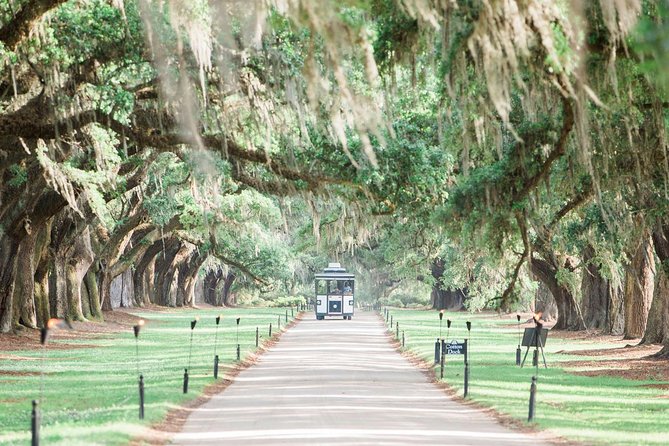
Discover Boone Hall Plantation in Charleston with an all-access ticket for $28, including house tours, slave quarters, a Gullah presentation, and scenic tractor rides.
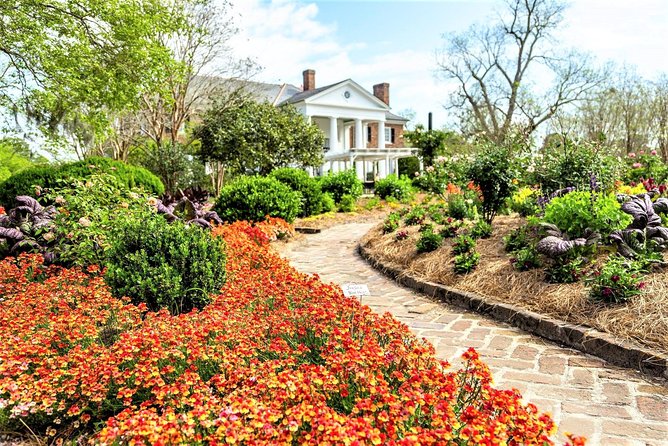

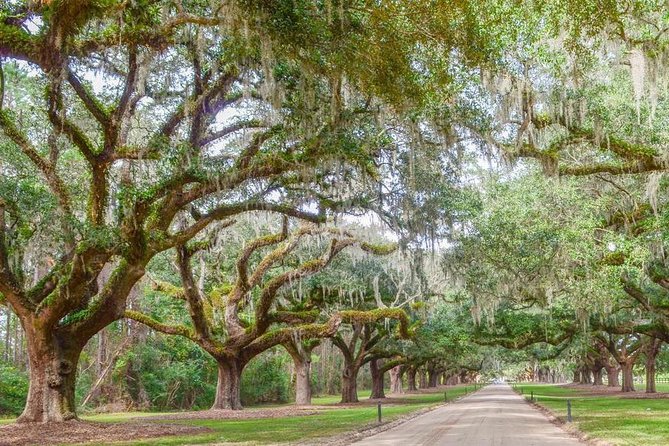
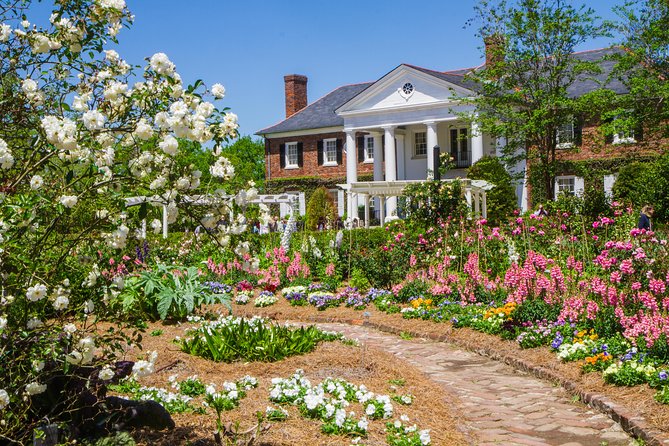
The Boone Hall Plantation All-Access Admission Ticket offers an engaging and educational experience in Charleston, priced at $28 per person. This ticket provides entry to one of the area’s most renowned plantations, recognized as the #1 Plantation in Charleston by USA TODAY 10 BEST. Visitors can expect to spend around 2 to 4 hours exploring the grounds, buildings, and exhibits, making it perfect for a half-day trip.
The tour package includes access to the famous Avenue of Oaks, a guided tour of the first floor of the plantation house, and the Black History in America exhibit. Notably, it offers a live presentation on Gullah culture and a tractor tour across the entire property (weather permitting). While the experience is comprehensive, it does not cover special events, which may require separate tickets.
This experience suits those interested in historic sites, American history, and cultural education. It appeals to visitors who appreciate guided tours, scenic landscapes, and interactive exhibits but should be aware that the house tour might be limited in scope, and the house itself is a 1935 building, not an original plantation house.
While in Charleston, here are other experiences we've covered
Founded in 1681, Boone Hall stands as one of South Carolina’s most historic estates. The plantation is today celebrated for its beautiful landscapes and rich history, which includes the sobering story of slavery. The estate’s grounds feature the famous Avenue of Oaks, lined with towering live oak trees that create a picturesque pathway leading to the plantation house.
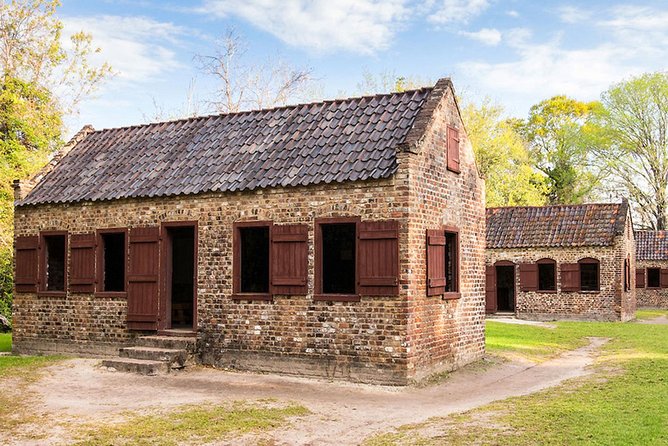
Visitors learn about the plantation’s long past through the Black History in America exhibit and visits to nine original slave cabins. While the plantation house was built in 1935, the estate’s history provides context for understanding American slavery, with informative presentations and preserved slave quarters.
The estate’s gardens are vibrant and colorful, offering a pleasant environment for leisurely walks and wildlife viewing. It’s a site where history and beauty intersect, providing a meaningful experience for visitors interested in American history, architecture, and landscape photography.
The famous Avenue of Oaks is a major draw for visitors, offering a stunning entrance that immediately sets the tone for the visit. The tree-lined pathway is perfect for photos and gentle walks, showcasing the estate’s well-preserved landscape. The gardens surrounding the house are designed to show off vibrant colors and textures, making them a favorite for those who enjoy botanical beauty.
The garden tour is included as part of the all-access ticket, giving insight into the estate’s horticultural efforts. Visitors can admire the lush greenery, vibrant floral displays, and the overall peaceful ambiance of the grounds.
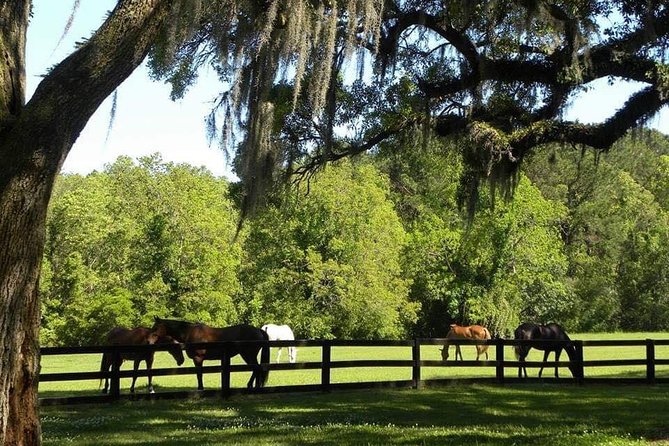
Wildlife viewing opportunities are available on the grounds, and the estate’s beautiful scenery complements the historical elements, creating a balanced experience of nature and heritage.
The guided tour of the first floor of the plantation house provides a glimpse into the estate’s architectural style and history. Though the house was built in 1935, it offers a gracious setting to learn about plantation life, with informative guides leading the way.
Visitors find that the house tour is well-conducted, but some may feel it’s limited in scope, focusing mainly on the architecture and decor rather than detailed history. The house’s interiors are described as stunning and gracious, adding to the visual appeal of the experience.
The house tour is complemented by the history presentations that discuss the estate’s past, including the difficult history of slavery, which is addressed head-on in the Black History exhibit and the slave quarters.
One of the most impactful aspects of the visit is the Black History in America exhibit and the nine original slave cabins. These historic structures provide a tangible connection to the lives of enslaved people who once lived on the estate. The cabins are brick-built and have survived over the years, making them a notable feature.
The lecturers or guides discuss the history of slavery openly and in detail, offering insights without glossing over the difficult truths. This aspect of the tour receives praise for its honest and thorough presentation, making it an educational experience that many find deeply moving.
While the estate is not an original plantation house—it was built in 1935—the slave quarters are authentic remnants that contribute to a deeper understanding of the estate’s past.
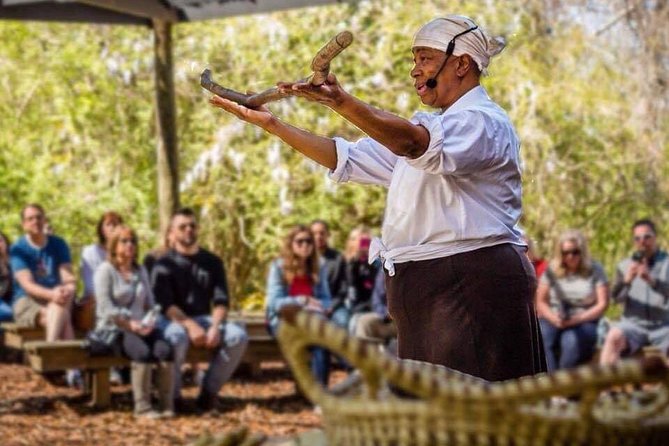
A highlight of the all-access ticket is the live presentation on Gullah culture. This interactive talk explores the unique language, traditions, and history of the Gullah people, who have preserved their cultural heritage in the Lowcountry.
The presentation is conducted with social distancing, ensuring a safe environment. Visitors appreciate how this engaging talk adds depth to the overall experience, connecting the historical dots between the plantation’s past and the cultural identity of the region.
This cultural component helps visitors appreciate the legacy and resilience of Gullah communities, enriching their understanding of South Carolina’s diverse history.
The tractor tour allows visitors to see the entire property from a different perspective. It covers the estate’s sprawling grounds, providing insight into the size and scope of the plantation. The ride is weather permitting and is a favorite for those wanting a scenic overview without extensive walking.
Other included activities are the garden showcase and wildlife viewing opportunities, making the experience more vibrant and engaging. The stable tour, introduced recently, adds an extra dimension, offering a closer look at the estate’s equine facilities.
The on-site amenities also include a cafe and free parking, making the visit comfortable and convenient.
Boone Hall Plantation welcomes visitors from Monday to Saturday, 9:00 AM to 5:00 PM, with availability extending from January 10, 2022, through May 21, 2026. It is recommended to book at least 12 days in advance since most tours are in high demand.
The tour is suitable for most travelers, and service animals are allowed. The site is near public transportation, adding to its accessibility. The experience is designed to be walker-friendly, though some areas, like the grounds and the house, might require moderate walking.
The free parking makes it easy for visitors arriving by car, and the weather-dependent tractor tour is canceled in wet conditions, so planning accordingly is advised.
While the estate offers a comprehensive view of its history and scenery, some visitors note that the house itself is not an original historic building but a 1935 structure. The grounds and slave cabins are the primary authentic elements.
The house tour may feel limited in scope for those seeking an in-depth exploration of historic architecture, and the main house is described as smaller and less grand than some might expect. Plus, special event tickets are not included in this all-access pass.
Weather can impact certain activities, like the tractor tour, so checking the forecast and planning accordingly is beneficial.
The Boone Hall Plantation All-Access Ticket offers a value-packed experience for those interested in history, culture, and scenic beauty in Charleston. The inclusion of guided house tours, Black History exhibits, and galleries on Gullah culture makes it a well-rounded visit.
While the house itself is not an original plantation home, the slave quarters, grounds, and landscape provide authentic and moving insights into the estate’s past. The scenic Avenue of Oaks and gardens are highlights, perfect for photography and relaxed walks.
The experience is especially suited for visitors craving a mix of education and scenery, with friendly guides and interactive presentations enhancing the overall trip. It’s advisable to reserve tickets early and be prepared for weather variations.
Is the Boone Hall Plantation tour suitable for children?
Yes, the estate offers engaging activities like the scenic tractor ride and gardens, making it enjoyable for families.
Can I visit Boone Hall without a guided tour?
The all-access ticket includes guided house tours and exhibits, but visitors may explore the grounds freely after the guided components.
Are there any restrictions on accessibility?
The tour is designed for most travelers, with most areas accessible. Service animals are allowed, and the estate is near public transportation.
What should I bring for the visit?
Comfortable shoes are recommended for walking the grounds, and weather-appropriate clothing is advised since some activities are weather dependent.
How long should I plan for my visit?
Typically, 2 to 4 hours allows enough time for house tours, exhibits, the Avenue of Oaks, and other included activities.
Is there parking available?
Yes, free parking is provided on-site, facilitating easy arrival and departure.
Can I cancel my ticket if my plans change?
Yes, free cancellation is available up to 24 hours in advance for a full refund, subject to weather conditions.
Are special events included in the ticket?
No, the all-access admission does not cover special events hosted on the estate.
This detailed review highlights what makes the Boone Hall Plantation All-Access Admission a compelling choice for visitors seeking history, scenery, and cultural insights in Charleston.