Physical Address
304 North Cardinal St.
Dorchester Center, MA 02124
Physical Address
304 North Cardinal St.
Dorchester Center, MA 02124

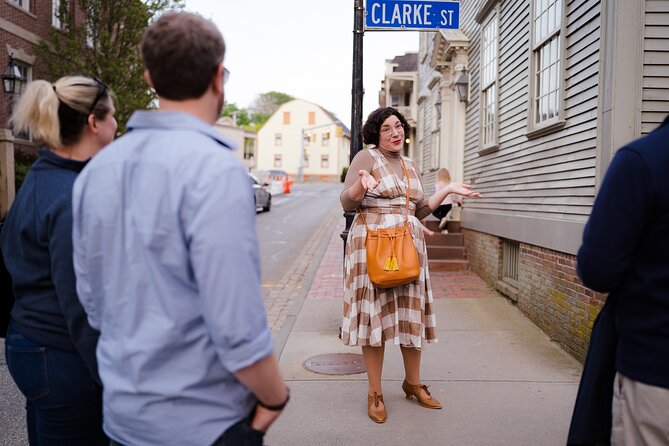
Discover Newport's colonial past with this engaging 1-hour walking tour for $20, featuring historic sites, lively storytelling, and insights into religious tolerance and diverse communities.
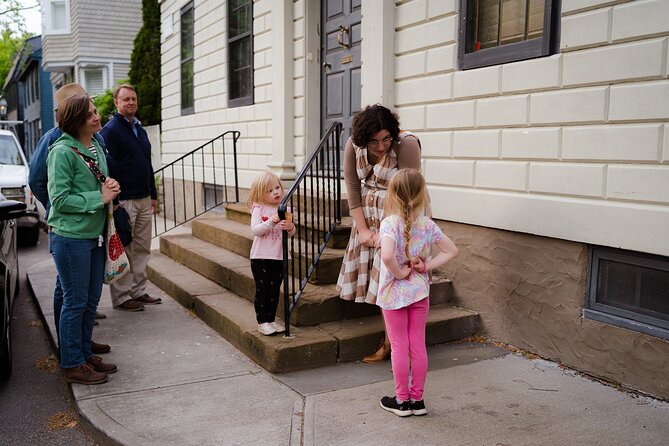
The Colonial Newport Walking Tour offers a vivid journey through Newport’s storied past for just $20 per person. With a duration of around 1 hour to 1 hour 15 minutes, this tour is a compact yet comprehensive look at the city’s colonial history, making it ideal for visitors with limited time or those seeking an authentic, guided experience.
Starting at the Museum of Newport History and Shop, the tour invites you to explore Newport’s early days, highlighting its legacy of entrepreneurship, religious tolerance, and cultural diversity. The tour’s affordability, combined with the expert guidance, makes it a popular choice, often booked 19 days in advance. While the tour provides a rich overview, guests should note that some attractions, like the Touro Synagogue, require separate admission.
If you're drawn to exploring Newport on foot, we've looked into these other walking experiences
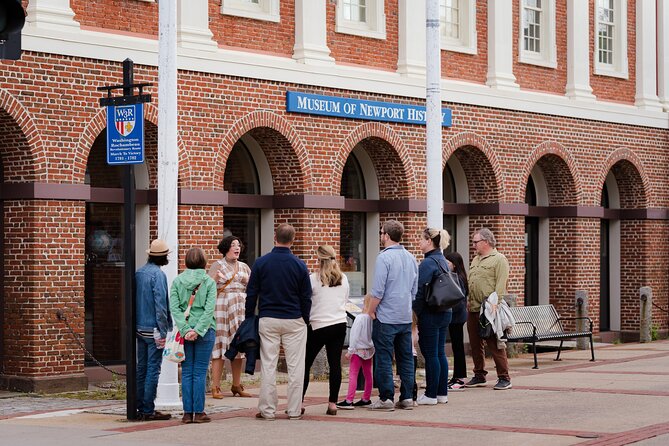
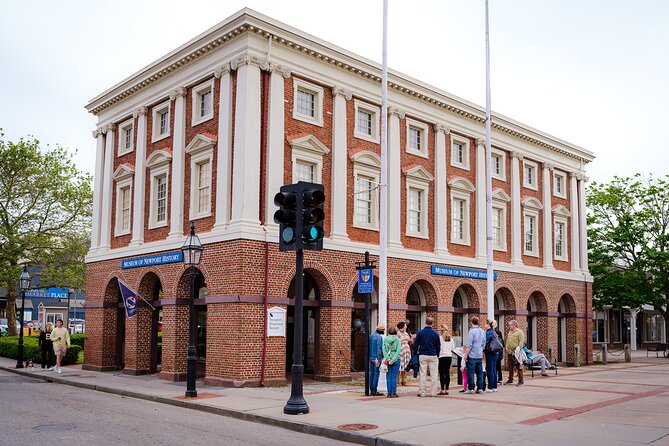
The tour begins at the Museum of Newport History and Shop located inside the historic Brick Market building on Thames Street. All participants receive free admission to the museum’s second floor and enjoy a 10% discount in the store. It’s recommended to arrive early to explore the museum before the tour commences, although the museum itself is not part of the guided experience.
The check-in process provides a practical start, ensuring guests are ready for the guided walk that follows. The museum’s location makes it easy to access via public transportation and nearby parking.
The first stop takes you to Washington Square, the colonial center of Newport. Here, you learn about Newport’s founding principles of religious tolerance and diversity. Unlike many towns with a central church, Newport’s civic buildings like the Colony House and Brick Market occupy this space, reflecting its unique approach to civic life.
Guests gain insight into Newport’s early civic identity with a quick visit that sets the tone for the rest of the tour. This stop is free of charge and provides a glimpse into how Newport prioritized commerce and civic engagement from its earliest days.
At 8 Washington Square, the tour explores the oldest house on the Square, originally built for John Rathbun and later owned by John Gardner. This site is notable for its role in Newport’s history, especially in 1763 when Gardner and others proposed establishing a Baptist college, which eventually became Brown University.
Guests learn about Newport’s early efforts to promote religious diversity and education. The house itself is a short walk-by, but the significance of the site lies in its connection to the founding of Rhode Island College and the city’s long-standing religious tolerance.
Next, the tour visits the Old Colony House, one of the nation’s oldest extant statehouses and a designated National Historic Landmark. This building served as the meeting place for the General Assembly and hosted major events like the reading of the Declaration of Independence in 1776.
Guests are introduced to the political history of Newport, appreciating how this site played a role in the broader American Revolution. The architecture and significance of the building make it a must-see landmark, though access inside is not included in the tour.
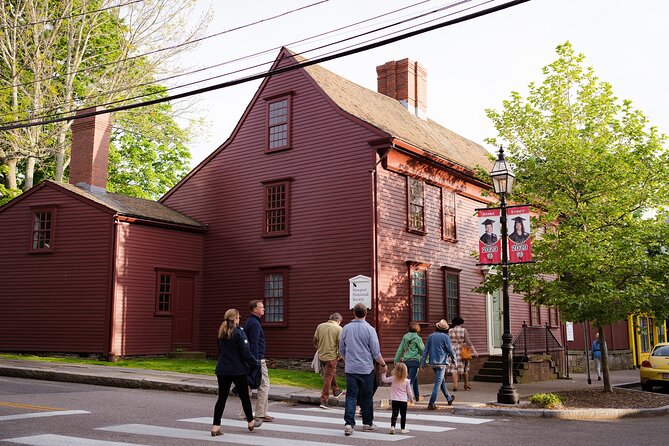
The White Horse Tavern, one of the oldest operating taverns in the United States, stands as a symbol of Newport’s colonial social life. The tour stops outside to discuss its history and cultural importance.
Guests get a sense of the tavern’s long-standing role as a gathering place since the colonial era. While the tour doesn’t include inside visits, this stop offers a chance to imagine the lively gatherings that have taken place within its historic walls.
The Great Friends Meeting House is the oldest house of worship in Rhode Island, offering insight into the influence of the Society of Friends (Quakers) in early Newport. The guide explains how Quaker values shaped the city’s religious tolerance and social fabric.
Guests spend about 10 minutes here, learning about the Quaker community’s role in advocating for religious freedom and civic equality. The site is a significant marker of Newport’s commitment to religious diversity.
The tour then passes by the 17 Broadway house, a c.1697 National Historic Landmark. This was a home to colonial governors, Tories, and patriots, including Martin Howard, a prominent Tory during the Stamp Act era.
Guests learn about the colonial social hierarchy and the diverse political allegiances within Newport. The house’s historical architecture and its connection to key figures make it an intriguing stop, although it’s viewed from outside.
The United Baptist Church marks Newport’s founding by Baptists in 1639, led by John Clarke. This site is pivotal in understanding the separation of church and state, as Clarke authored Rhode Island’s 1663 charter and presented it to King Charles II.
Guests grasp the significance of this early religious independence and civic freedom. The church remains an active congregation, adding to Newport’s reputation as a city built on religious tolerance.
The Touro Synagogue stands as a symbol of Jewish heritage in Newport. While the tour stops outside, guests are informed about its history and importance as the oldest synagogue in North America.
Separate admission is required to enter, but understanding the synagogue’s history highlights Newport’s role as a religiously diverse community. The site underscores the city’s commitment to religious freedom since the colonial era.
The Trinity Episcopal Church, built in 1726, features architecture influenced by Christopher Wren. The guide discusses its role in the community and its significance during key historical moments.
Guests learn about the church’s enduring presence in Newport and its connection to the city’s colonial and revolutionary past. This site reflects the evolving religious landscape of Newport.
The Vernon House on Clarke Street dates back to 1708. During the Revolutionary War, it served as a headquarters for Rochambeau and hosted important meetings with Washington and Lafayette.
This site highlights Newport’s strategic role during the war. Viewing the house from the outside, guests appreciate its historical significance in shaping American independence.
The tour concludes outside the Artillery Company of Newport, a historic military organization. While inside visits are not included and available only on weekends, the site provides a glimpse into Newport’s military heritage.
Guests can reflect on the importance of artillery and militia in colonial defense and Revolutionary War efforts, reinforcing Newport’s military history.
The tour begins at 11:00 am at the Museum of Newport History & Shop, located at 127 Thames Street. It ends at 51 Touro Street, just a short walk from the start, making it easy to return or continue exploring Newport.
Included in the price is museum admission and bottled water. The tour does not include private transportation, parking fees, or admission to attractions like Touro Synagogue or Artillery Company, which require separate tickets.
The tour is private for your group, with a guide who, while friendly and informative, may be less experienced—an aspect noted in some reviews. It is not recommended for guests with mobility issues due to walking requirements.
This tour offers a solid overview of Newport’s colonial history, emphasizing diversity, religious tolerance, and key historic sites. The expert guidance and well-chosen stops make it a valuable introduction for those interested in early American history.
While the guide’s experience level might vary, the engagement with important landmarks and the free museum admission provide good value for the price. The short duration makes it suitable for a morning activity, especially for visitors wanting a quick but meaningful look at Newport’s past.
The main limitations include the separate admission costs for some attractions and the walkable, outdoor nature of the tour, which may challenge guests with mobility issues. Still, this tour remains a practical, informative, and affordable way to connect with Newport’s colonial roots.
“Guide was very nice but new. Probably just needs more experience. Still was pleasant overview of city.”
Is the tour suitable for children?
The tour is family-friendly but involves walking and outdoor stops, so children should be prepared for a moderate pace.
Do I need to book in advance?
Yes, the tour is often booked 19 days ahead, and booking in advance guarantees availability.
What should I bring?
Guests are advised to wear comfortable shoes, bring water (provided), and possibly a hat or sunscreen for outdoor stops.
Can I visit the Touro Synagogue afterward?
Yes, but separate admission is required, and visits inside are not included in the guided tour.
Is the guide knowledgeable?
Most guides are friendly and provide good historical context, though some reviews note they may be new or less experienced.
What if the weather is bad?
The tour requires good weather; in case of cancellation, a different date or full refund is offered.