Physical Address
304 North Cardinal St.
Dorchester Center, MA 02124
Physical Address
304 North Cardinal St.
Dorchester Center, MA 02124

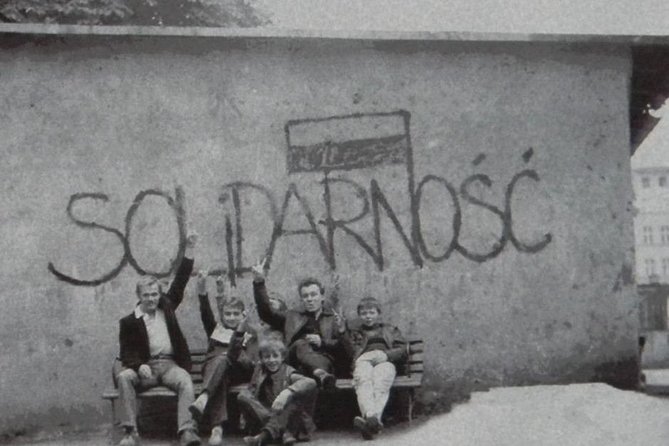
Discover Wroclaw’s communist past with this private 2-3 hour tour featuring key sites, insightful stories, and a knowledgeable guide for up to 15 people.
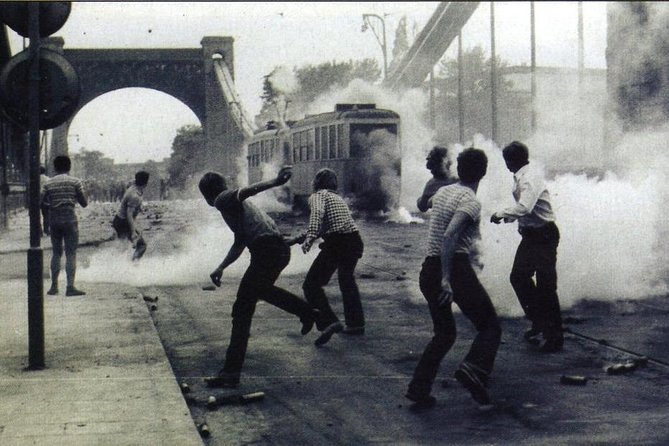
This private tour in Wroclaw, Poland offers a focused look at communism in Poland, delivered by a guide with a master’s in Political Science. Priced at $183.65 per group (up to 15 people), it spans approximately 2 to 3 hours and includes pickup and a mobile ticket for ease of access. The tour is designed for those interested in understanding Poland’s communist era through stories about propaganda, politics, and cultural shifts, with a strong emphasis on local history.
What makes this experience stand out is the guide’s depth of knowledge and personal touch, making complex topics approachable and engaging. While the tour covers a broad range of sites and themes, it’s particularly suited for history buffs or anyone curious about Poland’s transition from communism to democracy. The free cancellation policy adds flexibility, and the small group setting ensures personalized attention.
Prefer personalized experiences? Here are other private options we've covered in Wroclaw
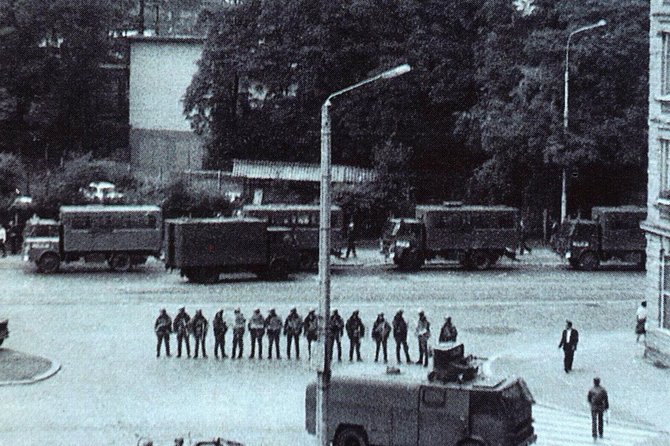
The tour kicks off at plac Wolnoci, where the guide introduces stories of communist propaganda, the economy, secret police, and the justice system. This location, which can also serve as the endpoint, offers a compelling glimpse into Poland’s past under communist rule. The free admission allows visitors to absorb these stories at their own pace, setting the tone for an engaging historical journey.
From here, the guide builds a narrative about the transition period, helping participants understand the mechanisms of control and resistance that defined this era. This stop offers a foundational understanding that enriches the subsequent visits to other sites.
Without entering any buildings, the tour proceeds along Swidnicka Street toward the Rynek (main square). This walk lasts about 5 minutes and provides an opportunity to observe the architecture and atmosphere of post-communist Wroclaw. The guide shares insights into the transition times in Poland, illustrating how the city evolved after the fall of communism.
This segment offers a snapshot of daily life during different periods, fostering a sense of continuity and change. The walk is leisurely, allowing for questions and observations about local culture and urban development.
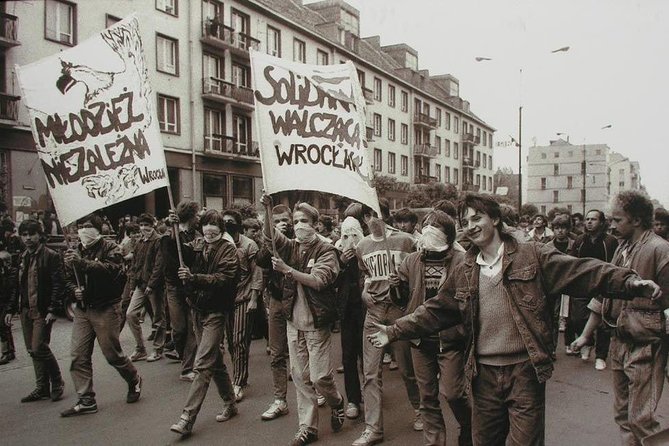
A highlight of the tour is Wroclaw’s Dwarfs, iconic small statues scattered throughout the city. These figures played a crucial role during the 1980s, serving as symbols of resistance and humor against the communist regime. The guide explains how dwarf statues helped mock militia forces and fostered a sense of community defiance.
Spending around 10 minutes here, visitors learn about the story behind these tiny figures and their significance in Polish social history. The Dwarfs’ playful presence provides a tangible link to the spirit of opposition that characterized Wroclaw during challenging times.
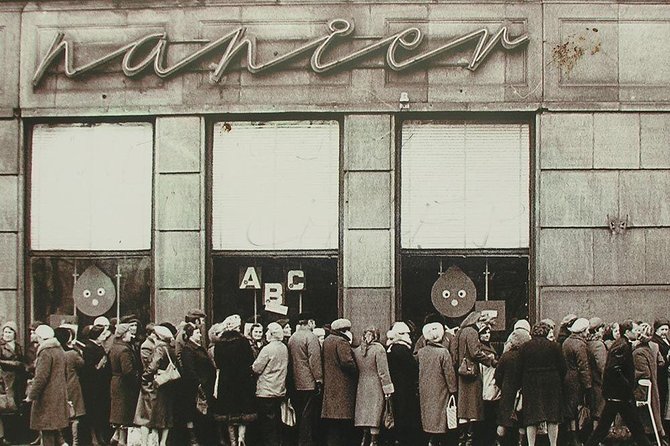
The Rynek of Wroclaw serves as a central point in the tour, with 15 minutes allocated for exploring its transformation from the communist era to today. The guide highlights architectural differences and lifestyle changes, illustrating how the square has adapted over decades.
Visitors see how the urban landscape reflects Poland’s political shifts, with historic buildings juxtaposed against modern renovations. The guide’s commentary helps clarify how Wroclaw’s main square remains a vibrant hub, rich with stories of resilience and renewal.
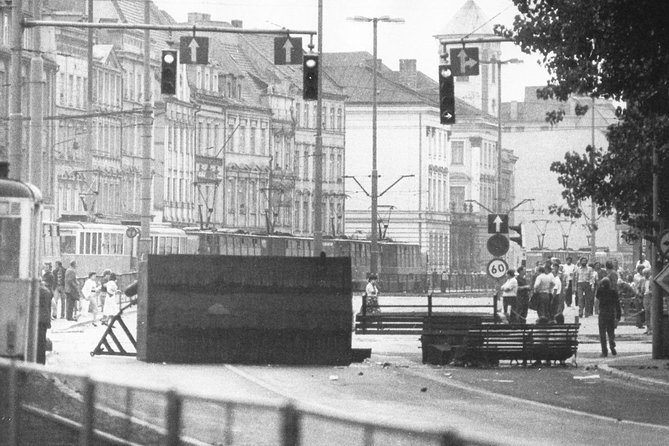
Next, the tour visits Wroclaw University, focusing on the education system during communism. In about 10 minutes, the guide discusses how elite exchange processes worked and what academic life was like under strict political oversight. The university’s history offers insights into how intellectuals navigated repression and contributed to societal change.
While admission tickets are not included for this stop, the story of the university’s role in shaping Polish leaders and thinkers adds depth to the tour’s historical narrative.
A short 10-minute stop at Ossolineum shares the story of Polish cultural heritage that was improperly stored in the Soviet Union after WWII. The guide recounts how Poland managed to recover and preserve its national symbols and literary treasures despite Soviet interference, illustrating resilience in cultural identity.
This site emphasizes the importance of cultural preservation during oppressive regimes and connects personal stories of Polish pride to broader historical themes.
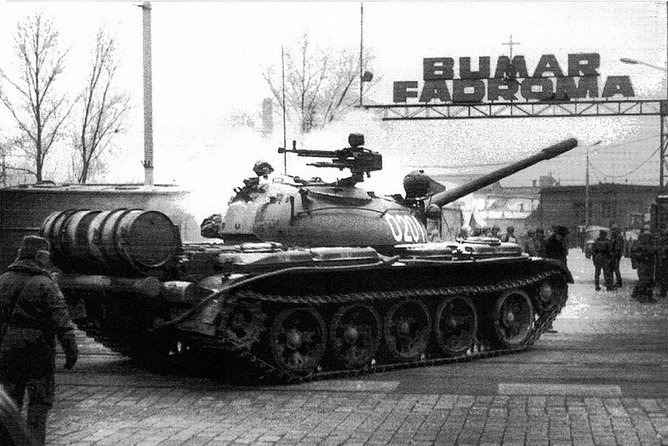
At plac Nowy Targ, the tour explores Wroclaw’s destruction in WWII and the subsequent reconstruction process. Over 10 minutes, visitors learn about the city’s resilience as it rose from the ruins, rebuilding landmarks and neighborhoods.
The guide explains how the reconstruction reflected both political decisions and community effort, emphasizing Wroclaw’s strength in facing adversity. This stop underscores the city’s transformation from wartime destruction to a thriving modern city.
A 15-minute break at Market Hall (Hala Targowa) allows visitors to relax with coffee and use the restroom facilities. This pause provides an informal setting to discuss impressions, ask questions, and observe local commerce.
This stop also offers a chance to appreciate the lively market environment that has persisted through Poland’s various political eras, serving as a microcosm of Wroclaw’s enduring vitality.
The final stop at Ostrow Tumski (Cathedral Island) focuses on church relations during communism and the hidden money of Solidarity. In 15 minutes, the guide shares stories about how religious institutions navigated repression and secretly supported opposition activities.
This site offers a compelling look at the intersection of faith and political resistance, with stories that reveal how spirituality played a role in Poland’s journey toward independence.
This private tour is suitable for most travelers, with near public transportation options available for easy access. The group size is limited to 15 people, ensuring a personalized experience, and service animals are allowed. The tour runs daily from 8:00 AM to 9:00 PM, with confirmation received within 48 hours.
Please note, coffee and tea are not included, so consider bringing refreshments if desired. The free cancellation policy offers flexibility—cancel at least 24 hours in advance for a full refund.
This 2 to 3-hour private tour offers a thorough, engaging look at Wroclaw’s communist history, delivered by a guide who combines expertise in political science with storytelling skill. It’s especially suited for those interested in understanding how Poland’s past shaped its present, with visits to landmarks that tell stories of resistance, reconstruction, and cultural resilience.
The tour’s focus on local sites like plac Wolnoci, Rynek, and Ossolineum makes it a compelling way to connect with the city’s history on a personal level. While not including entry to some sites, the guided storytelling compensates with rich context and engaging narratives.
If you value a personalized experience with a knowledgeable guide and are curious about Poland’s communist era, this tour provides an informative and accessible way to explore Wroclaw’s hidden stories.
“This was an amazing learning experience and fun tour. Michal has a wealth of knowledge. You will not regret doing this tour!!!”
Is this tour suitable for everyone?
Yes, the tour is designed to accommodate most travelers, with most stops accessible and the group size limited to ensure personal attention.
Are tickets included for all stops?
No, some sites like Wroclaw University and Ossolineum do not include admission tickets, so additional entry fees may apply if you choose to explore further.
Can I cancel this tour?
Yes, you can cancel up to 24 hours in advance for a full refund, thanks to the free cancellation policy.
How long does the tour last?
The tour spans approximately 2 to 3 hours, depending on pacing and group interest.
What is the price per group?
The cost is $183.65 for the entire group, making it a good value for up to 15 participants.
What languages is the guide available in?
While not specified, the guide’s background suggests fluency in English, providing clear and detailed explanations.
Is transportation provided?
The tour includes pickup and is walk-based, with no separate transportation required between stops.
What should I bring?
Bring comfortable shoes, and consider water or refreshments, as coffee and tea are not included.
Is this tour appropriate for children?
Most travelers can participate, but the historical content might be most engaging for older children or adults.
How do I book this tour?
Booking is available online through Viator, with the current availability and schedule detailed on the booking page.