Physical Address
304 North Cardinal St.
Dorchester Center, MA 02124
Physical Address
304 North Cardinal St.
Dorchester Center, MA 02124

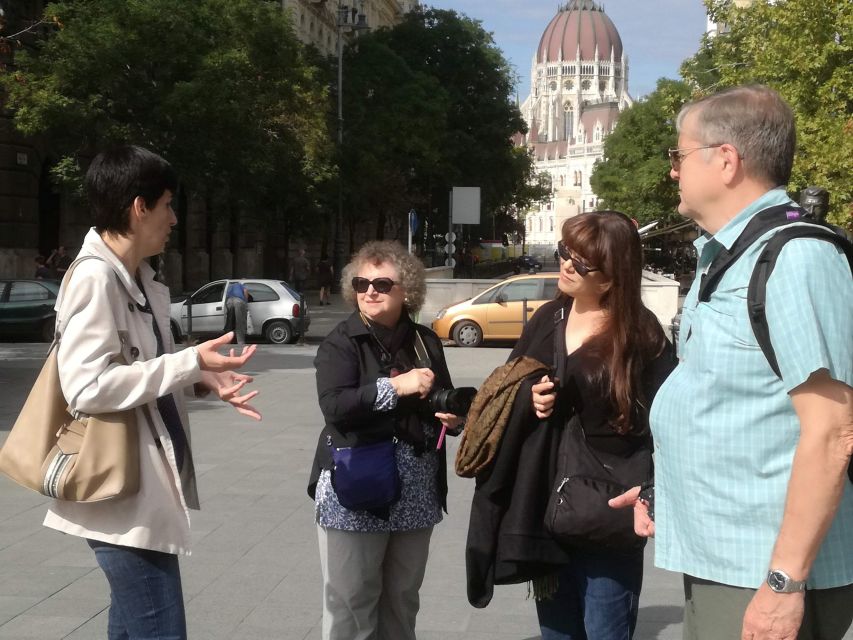
Discover Budapest's communist past on this 3-hour guided walking tour, visiting key sites like Kossuth Square, the House of Terror, and socialist housing estates.

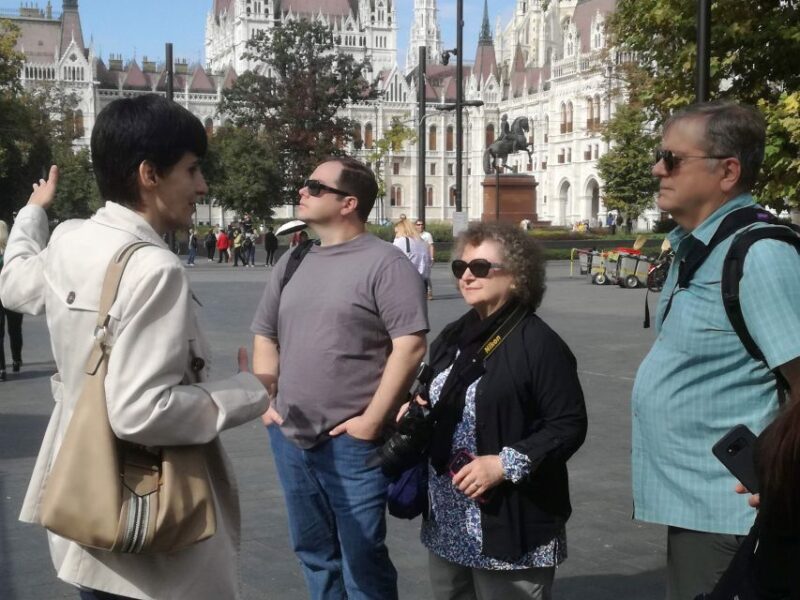
This 3-hour tour begins at Bambi Eszpresszó, located at Frankel Leó út 2/4, 1027 Hungary. From this central meeting point, the guide gathers your group and sets the tone for an insightful exploration of Hungary’s communist era.
The price of $105 per person includes the full experience with a historian guide who shares detailed stories. The tour lasts approximately three hours, and availability varies, so checking the schedule ahead of time is recommended.
If you're drawn to exploring Budapest on foot, we've looked into these other walking experiences
The tour kicks off at Bem József Square, a significant location as the site where the first major demonstration of the 1956 uprising took place. Here, the guide highlights how Hungarians challenged the authoritarian regime.
A highlight at this stop is a coffeehouse that has preserved its original 1960s interior, offering a rare glimpse into everyday life during the communist period. This gives a tangible feel for the atmosphere at that time, providing context to the political upheaval.

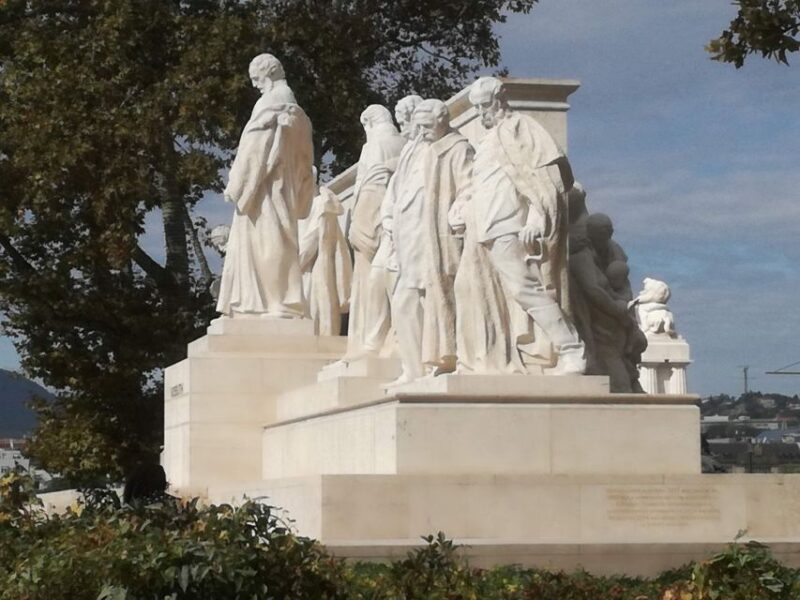
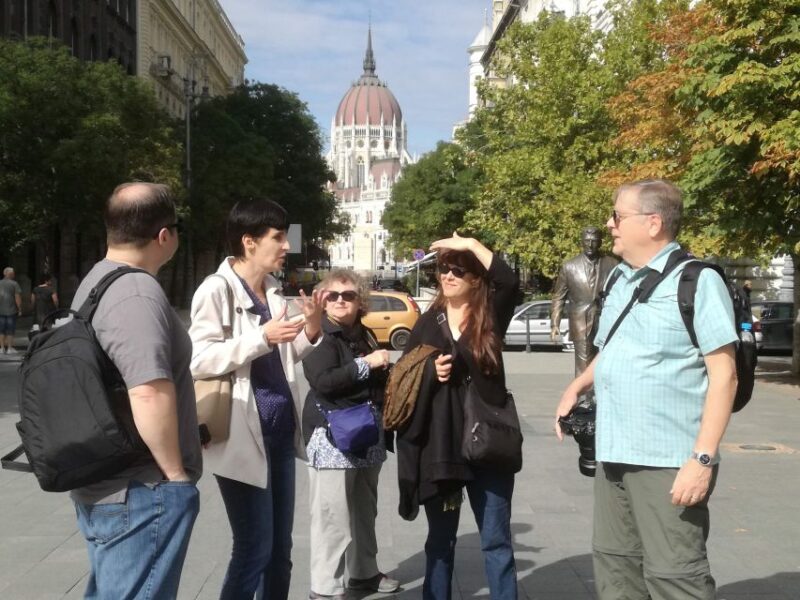
Next, the tour moves to Kossuth Square, a pivotal site during Hungary’s 1956 revolution. The guide points out the monuments that symbolize the political and armed conflicts of that turbulent time.
This area features several historic sites, including the Parliament and nearby statues that help tell the story of Hungary’s fight for independence. Walking through this square offers a vivid picture of the nation’s struggle and resilience.
A short walk leads to Freedom Square, where four stone structures visually represent the Cold War era. These include the U.S. embassy, a monument to the Soviet army, a statue of President Ronald Reagan, and the entrance to a secret atomic shelter.
This variation of monuments encapsulates Hungary’s complex relationship with superpowers during the communist years. The guide explains how these symbols reflect the political climate of the time, giving visitors an understanding of the Cold War’s impact on Budapest.
More Great Tours Nearby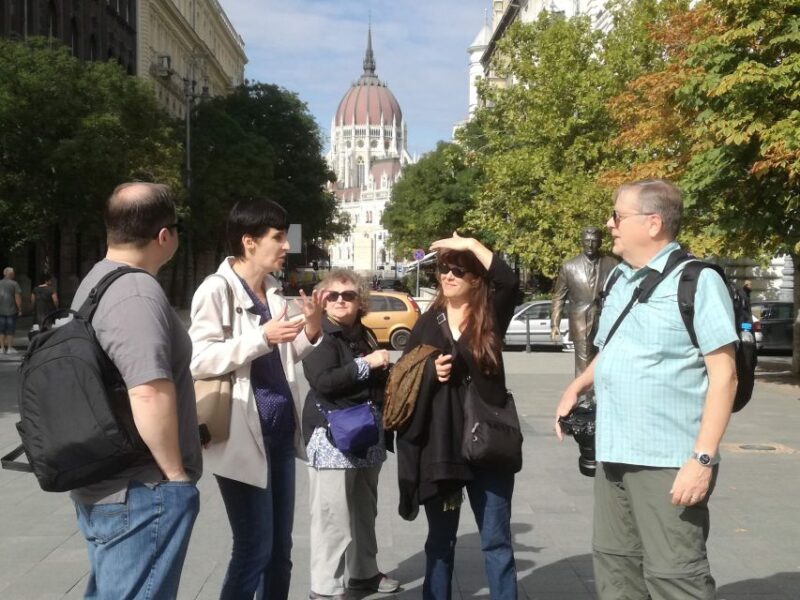
The metro ride takes you to a housing estate from the 1970s, located on the outskirts of the city center. The drab, grey apartment blocks may seem unremarkable now, but at the time, young Hungarian families were thrilled to have modern conveniences like elevators and better living conditions.
The guide discusses how these housing estates represented the regime’s efforts to provide for the masses, offering insight into daily life under socialism. Visitors learn about the socialist architecture and the pride residents felt in their new homes despite the utilitarian appearance.
A visit to the Puskas Soccer Stadium, formerly called the Peoples Stadium, provides a look at a major sports hub built during the socialist era. Outside, Socialist Realist statues feature heroic workers, soldiers, and intellectuals pointing toward a “bright future.”
These statues are typical examples of socialist art, and the guide explains their symbolism and purpose in promoting ideological ideals during Hungary’s communist years.
A short trolley bus ride, reminiscent of the Stalin-era transportation, takes visitors to Dozsa György Street, a broad boulevard used for May Day parades. The guide uses an iPad and old photographs to compare Budapest’s past and present.
This visual contrast highlights how the city’s appearance has evolved, revealing the scale and grandeur of Budapest’s communist architecture and urban planning compared to today’s more modern cityscape.
Just around the corner from the trolley bus stop is the House of Terror, a museum housed in the former secret police headquarters. It memorializes the crimes committed during the communist years, especially under Stalinist rule.
In front of the building, a slab of the Berlin Wall serves as a poignant reminder of Hungary’s division during the Cold War. The guide provides a sobering account of how repression and terror shaped the nation’s history.
This guided tour is suitable for those who want a comprehensive understanding of Budapest’s communist past. The small group or private format enhances interaction, with guides who are professors, historians, and published authors.
Transport tickets for trams and metros are not included, so travelers should plan accordingly. The tour ends back at the meeting point, making it convenient for further exploration or transportation.
This tour offers a well-structured journey through Budapest’s communist era, combining site visits with engaging storytelling. The expert guides ensure a detailed and accurate account, making complex history accessible.
While the three-hour pace is generally manageable, the walking involved, along with some metro and bus rides, means participants should be comfortable with moderate movement. The inclusion of visual aids and old photographs enriches the experience, giving a vivid sense of the city’s transformation.
This experience suits history enthusiasts, students, and anyone interested in Hungary’s 20th-century history. The $105 price point reflects the quality of guides and the depth of insight provided. For a focused look at Budapest under communism, this tour is a valuable choice.
“Very interesting tour in which the previous knowledge of the individual participants was addressed. In the end we were pretty tired after all the r…”
Is the tour suitable for all physical levels?
Yes, but some walking, metro, and bus rides are involved, so participants should be comfortable with moderate activity.
Are tickets for public transport included?
No, tram and metro tickets are not included; visitors should plan for this expense separately.
Can I join the tour if I only speak English?
Yes, the tour is conducted in English and is suitable for English speakers.
What is the maximum group size?
The tour is available in small groups or private formats, providing a more personalized experience.
How far in advance should I book?
Availability varies, so it’s best to check ahead and reserve your spot as early as possible to secure your preferred time.