Physical Address
304 North Cardinal St.
Dorchester Center, MA 02124
Physical Address
304 North Cardinal St.
Dorchester Center, MA 02124


Discover Copenhagen's quirky side with this private 3.5-4 hour tour of Vesterbro and Christianshavn, including local insights and a taste of Danish culture.
The Copenhagen Alternative Private Tour: Vesterbro & Christianshavn offers a unique way to explore Copenhagen’s more offbeat neighborhoods in just about four hours. Priced at $141.74 per person, this tour is designed for those who want an intimate, personalized experience led by a local guide. With a 5.0 rating from 10 reviews and 100% recommendation, it clearly appeals to visitors eager to uncover Copenhagen’s hidden spots beyond the usual tourist paths. The tour departs from Viktoriagade 8 and covers a fascinating mix of historical sites, lively districts, and local stories. It includes local tastings and a drink in a traditional Danish restaurant (full option), plus metro tickets for added convenience.
Ideal for those who enjoy small-group explorations, this tour balances cultural insights with practical sightseeing. While it does not include entry into Christiania, it respects that neighborhood’s self-governed status. With the tour lasting approximately 3.5 to 4 hours, it provides a comprehensive yet manageable way to experience Copenhagen’s unconventional side, making it perfect for curious travelers who like personalized stories and off-the-beaten-path experiences.
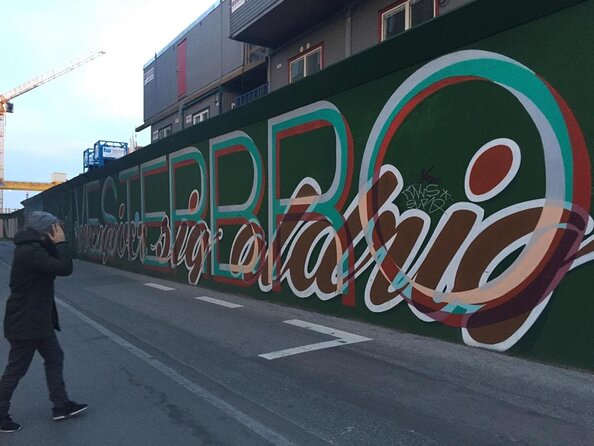
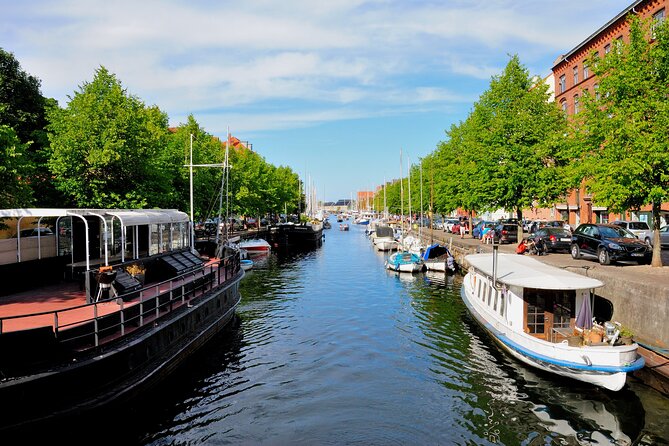
This tour begins in Viktoriagade, a street with roots dating back to the 1600s. Originally part of fortifications built by Christian IV, the area was protected by a moat, which was later filled and transformed into a lively street lined with historic buildings. The mid-1800s structures here, especially numbers 8, 10, and 12, are protected sites that showcase Copenhagen’s architectural heritage. The tour’s focus on this neighborhood allows visitors to see how a former military zone evolved into a vibrant part of the city. The 15-minute stop is admission ticket free, and the guide shares stories of the area’s transformation from fortifications to charity buildings.
Prefer personalized experiences? Here are other private options we've covered in Copenhagen
Next, the tour visits Det Ny Teater, one of Denmark’s largest theaters opened in September 1908. The venue’s history reflects Copenhagen’s theatrical culture, combining entertainment with urban development, as it was built to create a large cultural hub while providing a passage between Gammel Kongevej and Vesterbro Passage. The 10-minute stop offers a glimpse into Denmark’s performing arts scene and architectural grandeur, with free admission.
The tour then moves to Værnedamsvej, a street named after beer collector Werner Dam. Its nickname, “Slagtergaden”, hints at its past as a bustling hub for butchers. Today, it remains a lively area with cafes, boutique shops, and a lively atmosphere that reflects Copenhagen’s blend of history and modernity. This 10-minute free visit invites curiosity about local life and the street’s transformation from a 1700s beer garden to a trendy neighborhood stop.
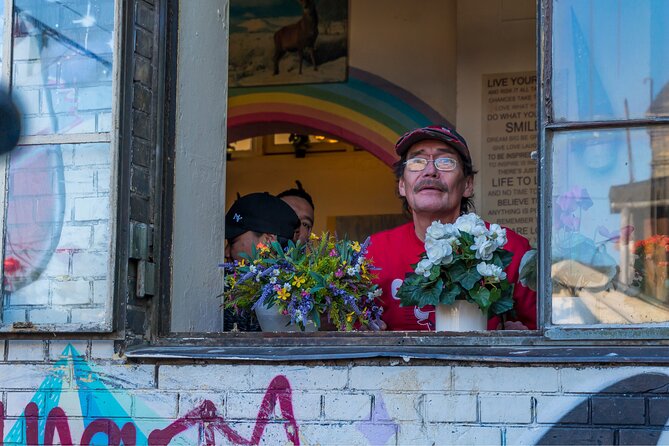
Saxogade reveals Copenhagen’s social history, especially relating to workers in the 1950s. The street’s residents protested poor housing conditions, living in overcrowded one-room apartments to improve their quality of life, especially for their children. This stop, lasting around 10 minutes, underscores how neighborhoods like Saxogade have been shaped by social struggles and urban development, offering a window into the city’s working-class history.
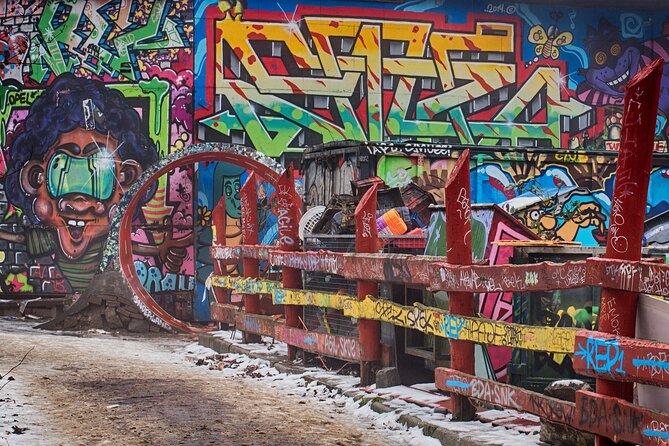
The Skydeburen, or shooting range wall, is a castle-like structure built as a bullet trap during military times to protect traffic along Istedgade from projectiles from the Royal Danish Army. Located between Skydebanehaven and Istedgade, the wall is a 10-minute stop with free admission, offering insight into Copenhagen’s defensive history. It also provides a scenic viewpoint over Skydebanegade, characterized by richly decorated houses, illustrating the area’s architectural diversity.
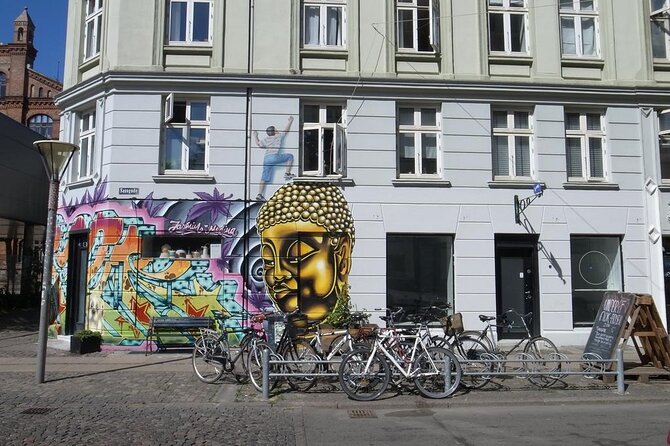
Istedgade is renowned as Copenhagen’s largest red-light district and a vital street with wartime significance. Named after the 1850 Battle of Isted, it played a key role during WW2 as a refuge for the Danish resistance. The 15-minute stop explores its layered history, from its reputation as a hub for nightlife and illicit activities to its importance in Denmark’s wartime resistance, making it a compelling spot for those interested in modern history.
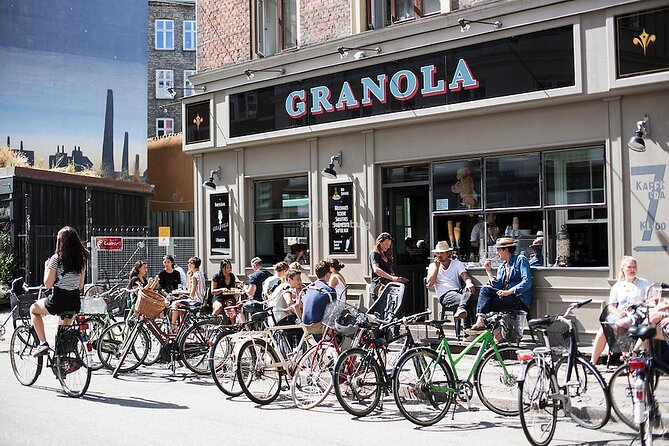
At Istedgade 31, the tour highlights Stjerne Radio, established in September 1942 by Carl Munck and JK Søndergård. This radio station was central to transmitting BBC broadcasts and supporting the Danish resistance movement. The 15-minute stop emphasizes the neighborhood’s wartime importance and the resilience of Copenhagen’s underground resistance efforts.
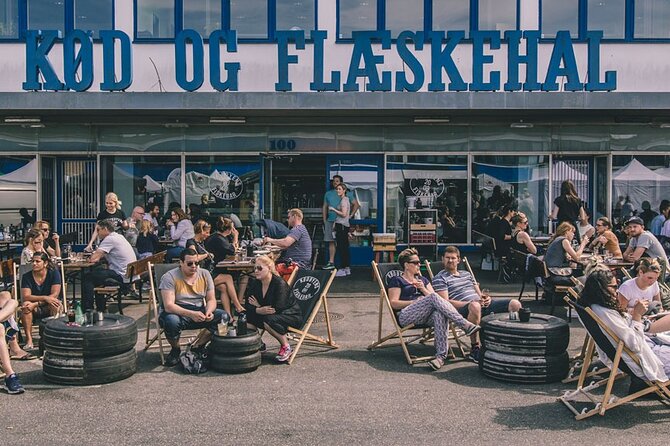
Now a thriving hub for trendy dining and nightlife, the Meatpacking District is a major highlight. This old industrial area was revitalized into a hotspot for food lovers and party-goers. The 10-minute stop allows visitors to appreciate the area’s transformation from an old meat market to a modern cultural district, with many dining options and lively bars.
Located in the Meatpacking District, Oksnehallen was built in 1891 to serve as a merchant hall for cattle, with capacity for 1,600 heads. It remained active until the 1950s when the White Zone opened, changing the area’s usage. This 10-minute stop offers a glance into Copenhagen’s industrial past and its architectural heritage, now serving as an exhibition space.
Halmtorvet, Copenhagen’s historic haymarket, was relocated in 1888 from its original site near the City Hall Square. It once served as a marketplace for hay and straw, crucial for local stables. Today, it is a lively square with cafes and shops, reflecting the city’s evolution from agricultural hub to urban meeting point. The 10-minute stop provides context for Copenhagen’s changing commercial landscape.
The tour includes visits to Men’s Home, established in 1910, which offers support to homeless and vulnerable residents, and Maria Church at Istedgade 20, built in 1909. Maria Church functions as a shelter and social space, providing both spiritual and economic aid to marginalized groups. These quick stops underscore Copenhagen’s community efforts and social care initiatives.
Strandgade 4 dates from the 1780s and once housed the DieselHouse Museum, illustrating Denmark’s industrial history with B&W, a major manufacturer. Also, Sankt Annae Kirke, built between 1650 and 1700, features listed buildings and old houses, showcasing Copenhagen’s architectural heritage. These stops, each lasting about 5 minutes, highlight the area’s history of industry and community.
The Knippelsbro drawbridge, built in 1937, connects Copenhagen to Christianshavn. Named after Hans Knip, who managed the tolls in 1641, this bridge offers scenic views and marks the transition from the city to the historic canal district. The 5-minute stop is essential for understanding the city’s connection points.
Christians Kirke, built between 1754-59, features a distinctive baroque style with a famous twisted spire accessible via an external spiral staircase. It served as a German-speaking congregation church and remains an active parish. The 10-minute stop allows visitors to admire its architecture and view the city from above.
This 1780s building once housed the DieselHouse Museum, reflecting Copenhagen’s industrial roots through the story of B&W. Now a symbol of Danish industry, it stands as a reminder of the city’s manufacturing past. The 5-minute stop provides a visual anchor to the area’s historical significance.
Asiatisk Plads was once the base of the Danish Asia Company (1732-1843). Today, it hosts the Ministry of Foreign Affairs and a convention center, illustrating the area’s transformation from trade hub to government space. The 10-minute stop offers a glimpse into Denmark’s historical trade connections.
Sankt Annae Kirke features buildings dating back to the 1600s and 1700s, including some of the oldest in Copenhagen, such as houses from ca. 1650. The street Wildersgade, from 1617-22, is a peaceful cobblestone route lined with old mansions and warehouses, exemplifying the city’s historic architecture. Each 5-minute stop enriches the understanding of Copenhagen’s early urban development.
The tour concludes at Freetown Christiania, created in 1971 on abandoned military land. Its approximately 1000 residents and open-minded community draw half a million visitors annually, making it the second most visited site in Copenhagen after Tivoli. The area is partially self-governing and known for its alternative lifestyle. Visitors are not accompanied into Christiania, respecting its autonomous status. This 10-minute walk offers an inspiring look at a community built on protest and independence.
This private tour, led by a local guide, lasts around 3 hours 30 minutes to 4 hours, with stops covering historical streets, neighborhoods, and landmarks. It includes metro tickets to facilitate movement, and the full option offers a local tasting and a drink in a traditional Danish restaurant. The tour is suitable for most travelers, with service animals allowed and no cancellation fee if booked at least 24 hours in advance.
The meeting point is Viktoriagade 8, where the guide begins the exploration, ending at Freetown Christiania. The flexible timing, combined with small-group intimacy, makes it suitable for travelers looking for a personalized, in-depth look at Copenhagen’s lesser-known sides.
This private tour excels at revealing Copenhagen’s hidden stories and neighborhoods that often escape typical sightseeing. The mixture of historic streets, social sites, and vibrant districts like Christianshavn and the Meatpacking District offers a balanced view of the city’s past and present.
The knowledgeable guide is frequently praised for storytelling skills and personal attention. Travelers appreciate the insight into local history, social initiatives, and urban development, making this tour more than just sightseeing—it’s a walk through Copenhagen’s soul.
While the exclusion of Christiania from the guide’s entry is a minor limitation, it is a standard restriction, respecting the neighborhood’s self-governed status. The tour’s cost reflects its private, personalized nature, and the inclusion of local tastings adds value.
This tour is ideal for curious visitors who want an engaging, off-the-beaten-path experience with a local touch. It suits those interested in history, urban culture, and community stories, delivered through a well-informed guide in a relaxed setting.
“Our guide Alessandro took my sister and me to some places around Vesterbro and Christianshavn we would never have discovered on our own. The tastin…”
Is this tour suitable for people with mobility issues?
The tour involves walking through neighborhoods with cobblestone streets and some uneven surfaces, but most stops are short and accessible for most travelers.
Does the tour include entry to Christiania?
No, the guide does not go into Christiania, as visitors are not allowed inside, but the neighborhood itself is included as an external highlight.
What is included in the full option?
The full option features local tastings and a drink at a traditional Danish restaurant, along with the guided exploration.
How long is the tour?
The tour lasts approximately 3 hours 30 minutes to 4 hours, depending on pace and stops.
Is this a private tour?
Yes, it is exclusively for your group, providing a personalized experience led by a local guide.
Can I cancel the tour if my plans change?
Yes, cancellations are free if made at least 24 hours in advance.
What language is the guide likely to speak?
Guides operate in English, ensuring clear communication for most travelers.
Are there any age restrictions?
Most travelers can participate, though the tour involves walking and outdoor exposure, so comfortable footwear is recommended.
How is transportation handled?
Metro tickets are included for ease of moving between stops, and the tour starts and ends within accessible areas of Copenhagen.
Is there any food included besides tastings?
The tour includes tastings and a drink only in the full option; no additional meals or snacks are provided as part of the standard tour.