Physical Address
304 North Cardinal St.
Dorchester Center, MA 02124
Physical Address
304 North Cardinal St.
Dorchester Center, MA 02124

Discover Krakow's Jewish Ghetto history with a 1-hour guided walking tour highlighting WWII sites, ghetto remnants, and poignant memorials. Perfect for history enthusiasts.
The Krakow: Jewish Ghetto Guided Tour offers a focused, impactful look into the city’s WWII history, specifically the Jewish community’s resilience and suffering during the Holocaust. With a duration of just 1 hour, this tour provides a concentrated experience that covers key sites and stories, making it ideal for visitors seeking a meaningful yet time-efficient historical overview. Led by a professional guide, the tour is available in multiple languages, including English, German, Spanish, Italian, French, Russian, Swedish, and Slovak, ensuring accessibility for a diverse audience.
The tour begins near Schindler’s Factory, now a museum dedicated to the Jewish population’s struggles and resistance during Nazi occupation. As the guide leads the group through remnants of the ghetto wall along Lwowska and Limanowskiego Streets, visitors gain a vivid sense of the harsh conditions and forced displacement experienced by local Jews. The route also includes visits to sites such as the former ghetto orphanage, the Jewish Social Self-Help Organisation, and the Zucker Synagogue—each offering insights into Jewish life before and during the war.
While the tour does not include hotel pickups or meals, it provides a professional guide who is praised for their knowledgeable storytelling, making this a compelling choice for those interested in the historical resilience of Krakow’s Jewish community. The activity is suitable for most visitors but not recommended for individuals with mobility impairments or wheelchair users, due to the walking nature of the experience.
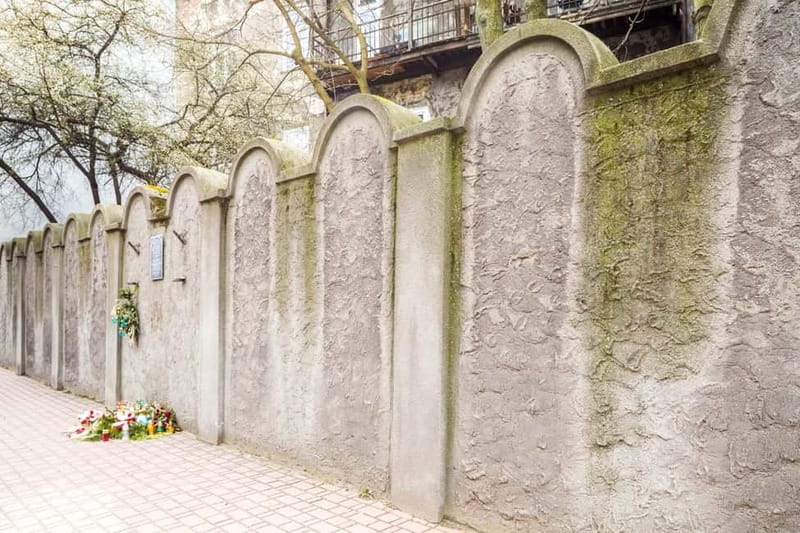
This tour guides visitors through the Jewish Ghetto and Podgórze district, areas that once housed thousands of Jews during WWII. The route takes you past remnants of the ghetto wall, which serve as powerful reminders of the district’s traumatic past. The guide explains how these walls separated Jewish communities from the rest of Krakow and highlights the harsh realities faced during the ghetto’s existence.
The visit to the ghetto wall segments along Lwowska and Limanowskiego Streets reveals the extent of the ghetto’s physical boundaries. These preserved sections help contextualize the scale of segregation and hardship. The former ghetto orphanage and the corner of Józefiska and Limanowskiego Streets, where the Jewish Order Police and ghetto prison were located, deepen understanding of daily life and control measures imposed on Jewish residents.
Appreciate having local insight? Here are other guided experiences in Krakow we've examined
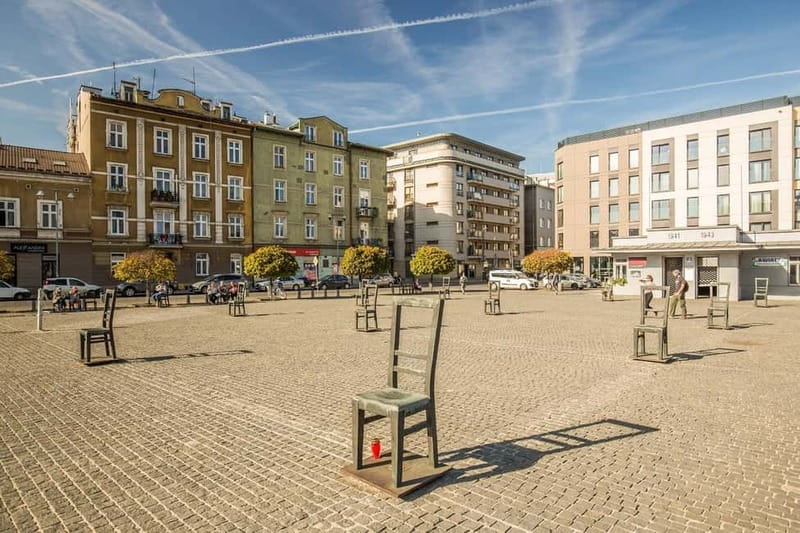
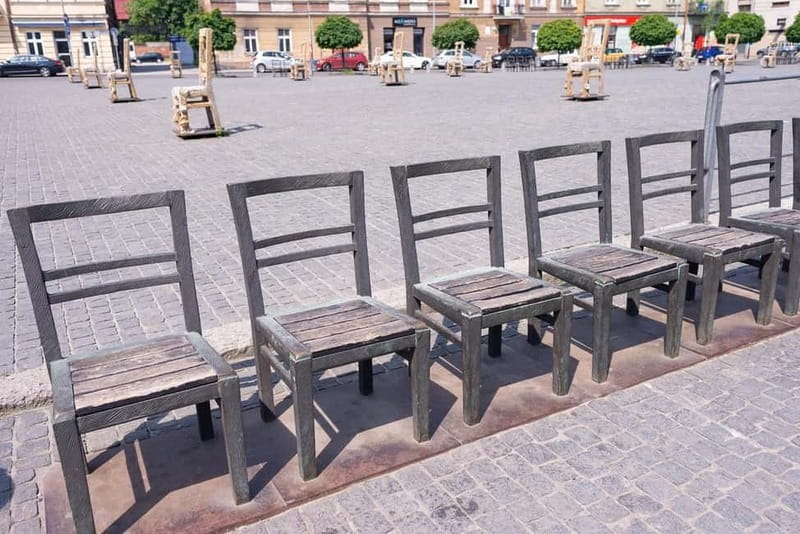
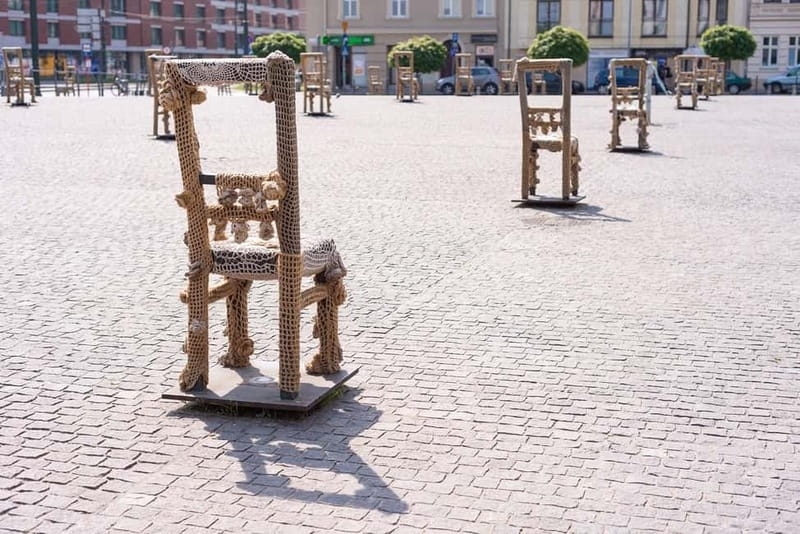
At Heroes’ Square, known as the site of the ghetto liquidation and deportations, the tour pauses at the 68 chairs monument. This haunting installation commemorates those who perished, symbolizing the number of chairs representing the victims. The guide shares stories of suffering and resistance here, emphasizing the importance of remembrance.
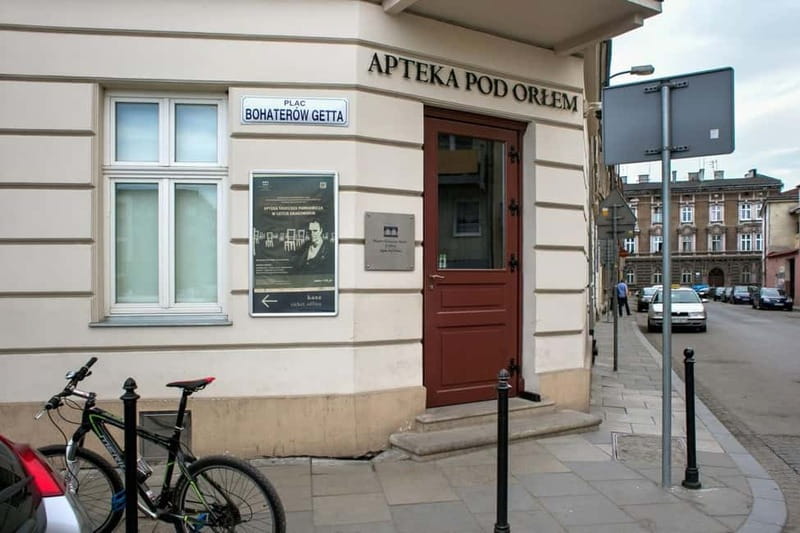
This site also features the Judenrat building, where the Jewish Council collaborated with Nazi authorities, and the Ghetto Memorial at Bohaterów Getta Square, a significant symbol of suffering and survival. Visitors are encouraged to reflect on the resilience of the Jewish community in the face of such brutal repression.
Further stops include Julius Madritsch’s Confectionery Factory, linked to a notable factory owner involved in wartime efforts, and the former family lodgings of Roman Polanski, adding a personal touch to the historical landscape. The guide explains the connections of these sites to WWII and Jewish life.
The river Vistula embankment, with landmarks like the Father Bernatek Footbridge and Piłsudski Bridge, visually separates the ghetto from the rest of the city. The tour notes how these borders reinforced physical and emotional divides during the occupation.
Throughout the route, the guide points out rare war traces, such as a shelled building on Piwna Street, and discusses the Ghetto Memorial at Bohaterów Getta Square. These spots serve as tangible links to the destruction and resilience that define this history.
The sewer system entrance at Józefiska and Krakusa Streets may be visited, highlighting the escape routes used by many to flee the ghetto. This site underscores both the desperation and ingenuity of those seeking survival.
More Great Tours NearbyThe Krakow Jewish Ghetto Guided Tour is designed for ease and flexibility. It begins at a variable meeting point depending on the booking option, and the activity concludes at the same location. The group is led by a professional guide who speaks multiple languages, ensuring clear storytelling.
Participants should wear comfortable shoes and dress according to the weather, as walking is involved. The tour does not include hotel pickup or meals, and visitors should be mindful that alcohol and drugs are not permitted on the tour.
This tour offers a focused, meaningful snapshot of Krakow’s WWII Jewish history in a compact 1-hour format. Its highlights include visits to ghetto remnants, powerful monuments like the 68 chairs, and insights into daily life and resistance. The guide’s expertise is often praised, making the experience both educational and emotionally moving.
It is especially suitable for those with limited time but a strong interest in history. However, the moderate walking and absence of accessibility options mean it may not suit everyone. Still, the depth of storytelling and the significance of the sites make it a compelling choice.
For visitors seeking a serious, respectful exploration of Krakow’s Jewish wartime history, this tour delivers in both content and guided narration. The focus on resilience, remembrance, and key WWII sites helps deepen understanding of the community’s suffering and strength.
While the duration is short, the quality of the guide and the power of the locations ensure the experience leaves a lasting impression. It suits those who want an educational, emotionally resonant experience without extensive walking or time commitment.
“The guide was awesome and really knowledgeable.”
Is this tour suitable for children or families?
The tour’s focus on WWII history and walking route makes it more suitable for older children and adults interested in historical sites. It may not be ideal for very young children due to the emotional content and walking involved.
Are there any age restrictions?
There are no explicit age restrictions mentioned, but the tour involves walking and reflection at somber sites, so it is best suited for those able to handle moderate walking and emotional depth.
Can I join this tour with a group?
Yes, the tour can be booked as a private group, making it flexible for families, school groups, or special interest groups.
What should I bring for this tour?
Comfortable shoes are recommended, along with weather-appropriate clothing. The tour is outdoors with several stops, so prepare for the weather conditions on the day.
Is this tour accessible for people with mobility issues?
No, the tour is not suitable for people with mobility impairments or wheelchair users, as it involves walking through historic streets with some uneven surfaces.