Physical Address
304 North Cardinal St.
Dorchester Center, MA 02124
Physical Address
304 North Cardinal St.
Dorchester Center, MA 02124

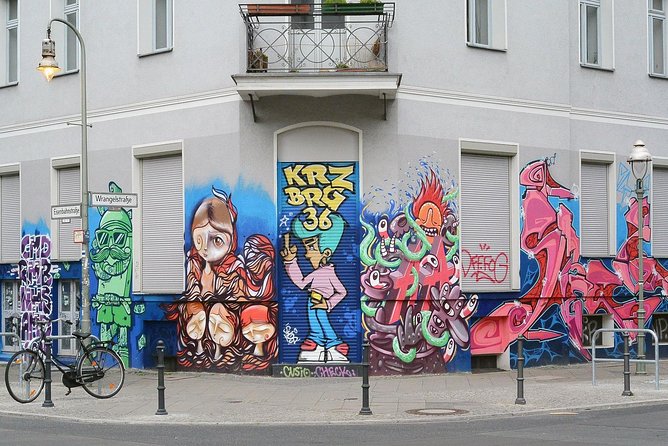
Discover Berlin's vibrant Kreuzberg neighborhood on this private 3-hour walking tour led by a historian, exploring street art, Turkish culture, and future plans.
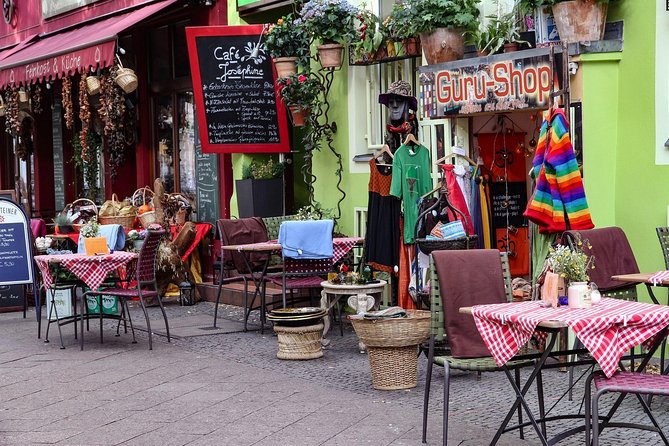
The Kreuzberg Private Walking Tour offers a deep dive into one of Berlin’s most dynamic neighborhoods. Priced at $450 per group (up to 10 people), this 3-hour experience is led by a knowledgeable historian, providing a personalized look at Kreuzberg’s unique history and lively street scene. The tour is available in morning or afternoon options and features a mobile ticket for ease of access.
This tour is ideal for those interested in urban culture, street art, and local history, with the chance to explore famous landmarks like the Oberbaumbrücke and Victoriapark. While the experience covers many highlights, some walking and periods of public transport are necessary to connect the stops. The small group size ensures a more intimate and tailored exploration of Kreuzberg’s ongoing transformation.
Prefer personalized experiences? Here are other private options we've covered in Berlin
The tour begins at the Oberbaumbrücke, one of Berlin’s most beautiful and historic bridges spanning the Spree River. This spot offers impressive views and sets the tone for exploring Kreuzberg’s blend of history and modern culture. The guide explains the bridge’s significance and provides context for the neighborhood’s recent gentrification.
From there, the route moves past SO36, a street famous for its vibrant street art, eclectic boutiques, and a history of civil unrest involving anarchists and police. This stretch highlights Kreuzberg’s reputation for counterculture and artistic expression, with the guide sharing stories behind the colorful murals and local hotspots.
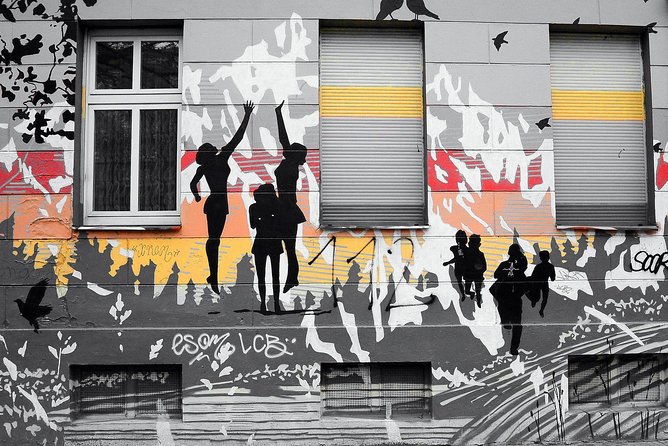
Kreuzberg’s street art scene is rooted in the neighborhood’s abandoned buildings and open spaces. The tour features fragments of the Berlin Wall, offering insight into the area’s Cold War history. These remnants serve as a backdrop to the vibrant street art-filled walls, showcasing how public spaces have transformed into open-air galleries.
Attendees get a sense of Kreuzberg’s creative energy, driven by its history of leftist activism and the availability of abandoned structures. The guide provides details about how this environment fostered the street art movement that continues to define Kreuzberg today.

A key highlight is Victoriapark, one of Berlin’s most well-known green spaces. The park offers a peaceful escape amidst the urban environment, with scenic views and a waterfall at its center. The guide discusses the park’s history and its role as a community gathering spot, making it a perfect place to unwind briefly before continuing the walk.
This stop also underscores Kreuzberg’s mix of industrial, residential, and recreational areas, illustrating the neighborhood’s diverse character.

The tour covers Kreuzberg’s evolution from a 19th-century workers’ district into a vibrant hub of immigrants, artists, and counterculture. Once part of West Berlin, the area’s history includes being shaped by WWII bombs, Cold War repression, and waves of immigration that have infused the neighborhood with various cuisines and markets.
This background helps visitors understand the neighborhood’s current identity as a salad bowl of cultures, teeming with cafes, bars, and markets that reflect its diverse community.
If you're drawn to exploring Berlin on foot, we've looked into these other walking experiences
An important part of the tour is learning about future plans for Kreuzberg, including a riverside development project. These plans may accelerate gentrification, changing the neighborhood’s character even further. The guide explains how such projects could impact the local community and the creative spaces that define Kreuzberg.
This discussion provides insight into the neighborhood’s ongoing transformation, balancing its historic counterculture with contemporary urban development.
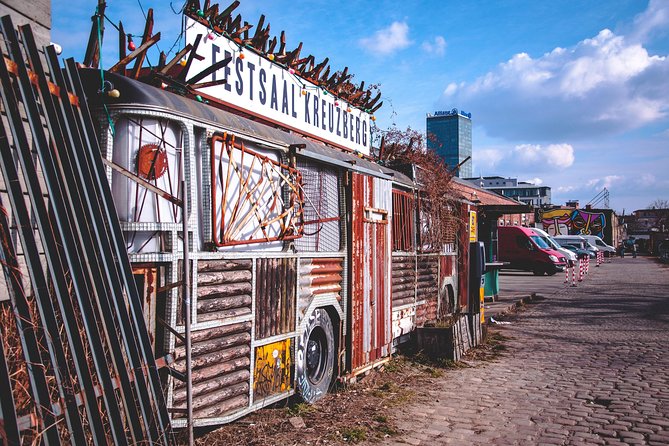
The Memorial of the Berlin Wall marks a poignant reminder of the city’s division. The tour stops here briefly to reflect on the wall’s remnants and their significance. Passing by plots of land transformed into art hubs, visitors see how Kreuzberg’s history has been repurposed into a vibrant artistic environment.
These stops illustrate Kreuzberg’s resilience and its role as a space for creative expression and historical remembrance.
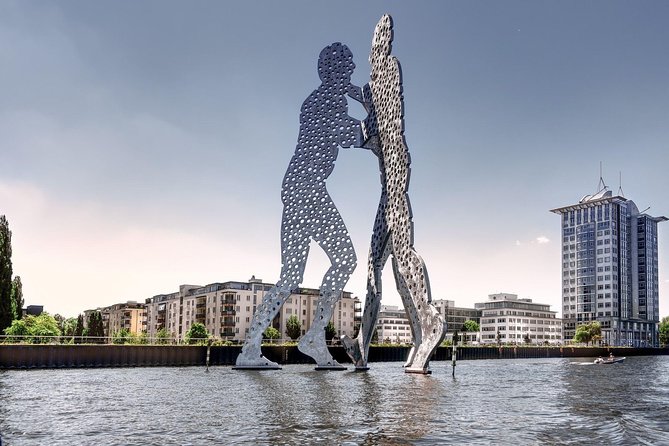
The bustling Oranienstrasse is highlighted as one of Berlin’s most famous streets. Known for its lively boutiques and cafes, it also has a history of street battles involving anarchists at the turn of the century. Today, it’s a lively place to walk, shop, and enjoy local food, reflecting Kreuzberg’s eclectic vibe.
The guide shares stories about the street’s past and present, giving visitors a sense of its significance in Berlin’s cultural landscape.
As the tour nears its end, the focus shifts to urban development and the neighborhood’s ongoing gentrification. The planned riverside development could bring more upscale businesses and housing, potentially altering Kreuzberg’s character. The guide discusses how this rapid change influences both the local community and the neighborhood’s artistic legacy.
This conversation invites reflection on how Kreuzberg balances its countercultural roots with modern urban growth.
The private tour lasts approximately 3 hours and departs from Schlesische Str. 18. It includes visits to key landmarks and neighborhoods, with the guide providing detailed commentary. The group size is limited to 10 people, ensuring a personalized experience.
Participants should expect to walk between sites, with some public transport use required to connect the stops efficiently. While food and drinks are not included, the tour’s focus on culture, history, and street art offers plenty of photo opportunities and local insights.
This experience suits those eager to explore Berlin’s alternative side, with interests in urban art, multicultural influences, and local history. The knowledgeable guide enhances the visit with detailed explanations, making it ideal for history buffs and culture enthusiasts alike. The small group size also appeals to travelers seeking a more intimate and flexible exploration of Kreuzberg.
The Kreuzberg Private Walking Tour offers a well-rounded look at one of Berlin’s most vibrant neighborhoods. Its strength lies in the personalized guidance and the focus on street art, history, and future development. The tour’s $450 price may seem high for some, but the small group size and expert guide deliver a rich, tailored experience.
While a bit of walking and public transport are necessary, the tour covers enough ground and highlights to justify the investment. It’s a perfect choice for visitors who want an authentic and insightful introduction to Kreuzberg’s counterculture and ongoing evolution.
“My 12 year old son and I wanted to explore this bohemian part of Berlinand wanted to learn the history of the neighborhood. Very interesting secti…”
Is this tour suitable for children?
Yes, most travelers can participate, and the content is engaging for those interested in history and urban culture.
How long does the tour last?
The tour lasts approximately 3 hours, with stops at several key sites in Kreuzberg.
What is included in the price?
The price covers a private 3-hour walking tour led by a historian guide. Food, drinks, and transportation are not included.
Are there options for morning or afternoon departures?
Yes, both morning and afternoon options are available; please specify at booking.
How many people are in each group?
The tour is limited to up to 10 participants to ensure a personalized experience.
Can I cancel the tour?
Yes, you can cancel free of charge up to 24 hours before the scheduled start for a full refund.