Physical Address
304 North Cardinal St.
Dorchester Center, MA 02124
Physical Address
304 North Cardinal St.
Dorchester Center, MA 02124

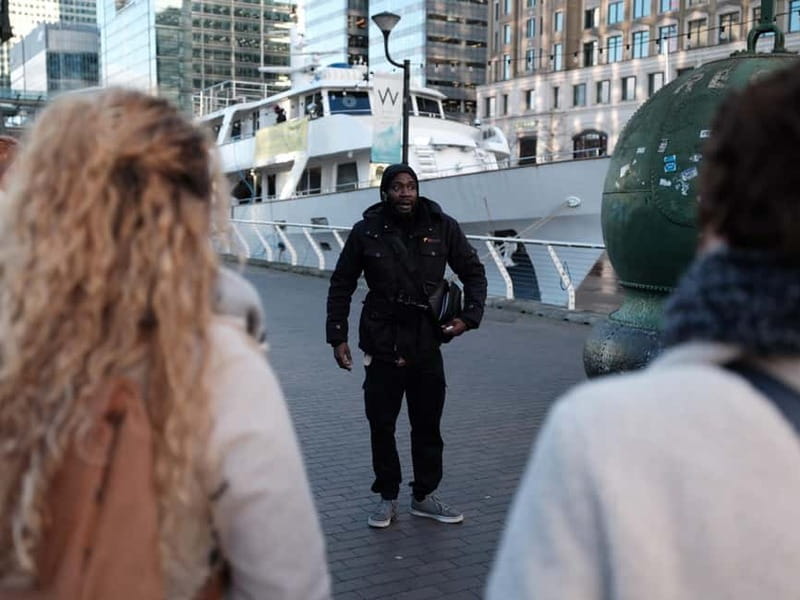
Discover Canary Wharf’s history and social issues on this 1.5-hour guided walking tour led by Stefan, a guide with personal homelessness experience. Wheelchair accessible.
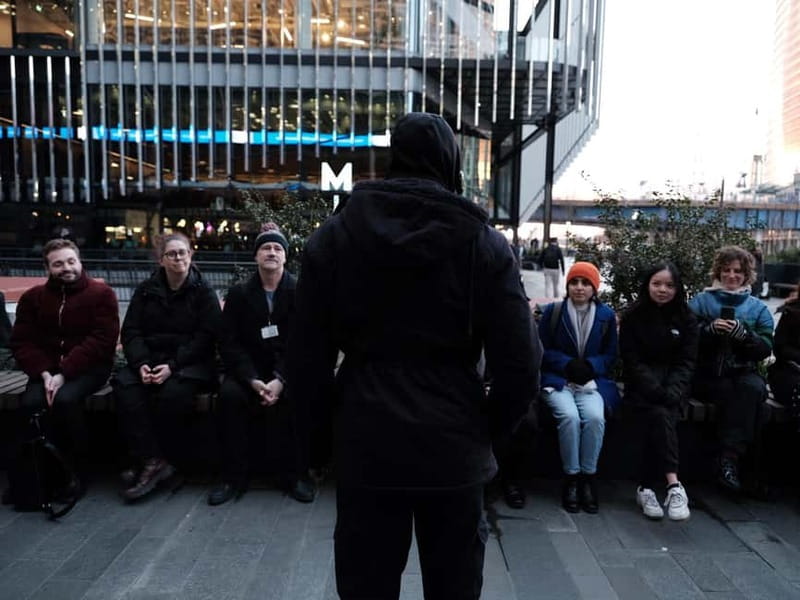
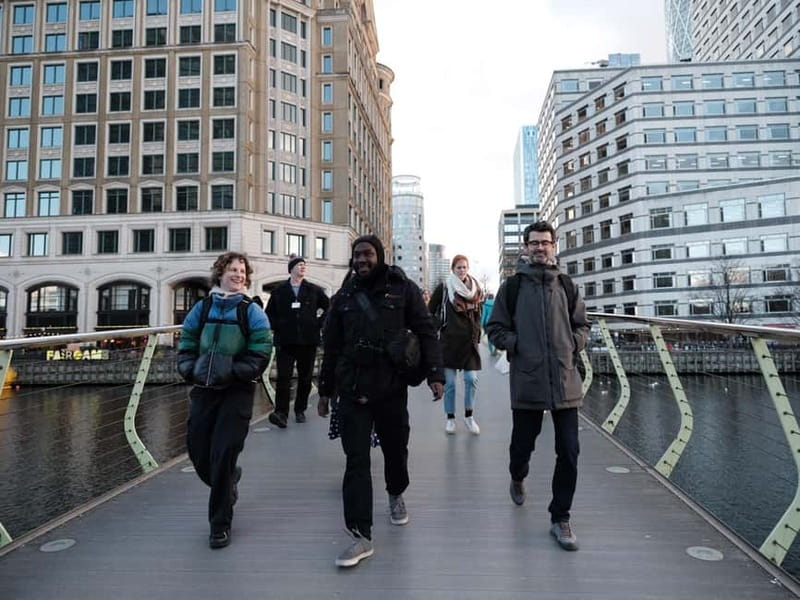
The London Canary Wharf Walking Tour: Homelessness Revisited is offered by Unseen Tours, a not-for-profit social enterprise. The tour is 1.5 hours long and departs from Canary Wharf, a major business district in Greater London. The tour is accessible for wheelchairs and mobility scooters upon request and welcomes pets, making it suitable for a variety of visitors.
The guide, Stefan, brings a personal touch, as he has experience with homelessness. Born in Lambeth and raised in Peckham, Stefan’s background adds authenticity to the stories shared. His passion for the area’s history and his own experiences make this tour both educational and impactful. Visitors are encouraged to bring comfortable shoes, water, a camera, and weather-appropriate clothing to make the most of this walk.
Booking is flexible with reserve now, pay later options, and full refunds available if canceled 24 hours in advance. The tour’s modest price supports the guides’ ability to earn a living and helps challenge perceptions of homelessness through storytelling.
If you're drawn to exploring London on foot, we've looked into these other walking experiences
The tour begins at Canary Wharf, a district that has undergone profound change over the decades. Originally, the area was home to old warehouses used for industrial global trade, which played a key role in London’s growth as a financial centre. Today, towering offices and modern buildings dominate, but the tour reveals how this transformation happened.
Visitors learn how the area evolved from dock and warehouse facilities into a bustling business hub. The tour explains the area’s history and development, giving context for how Canary Wharf became a symbol of London’s financial strength. It’s a vivid reminder of how areas can change over time, shaped by economic shifts and global trade.
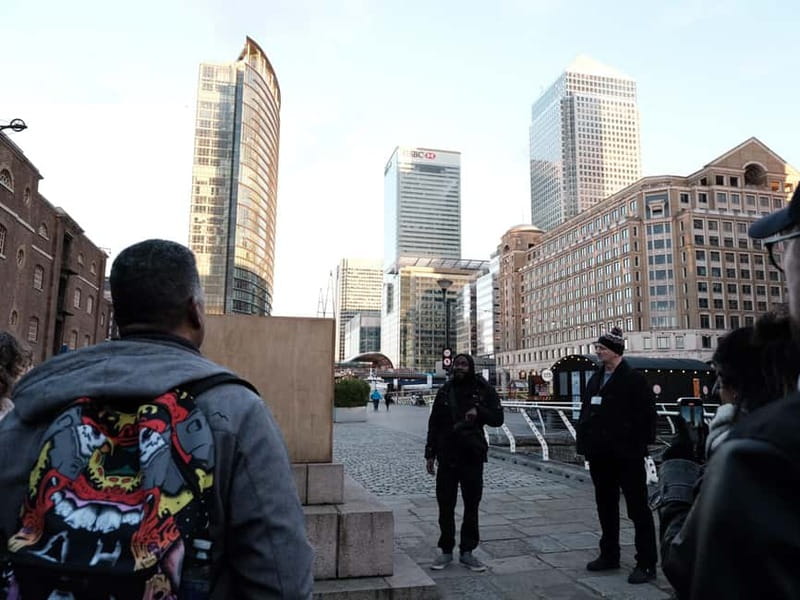
A central part of the tour is West India Quay, a historic dockyard that was essential to maritime trade. Stefan points out the origins of West India Quay and explains how it earned its name. The area’s warehouses once stored goods from the Caribbean and West Africa, connecting it to the Transatlantic Slave Trade.
Walking around the docks, visitors observe the contrasting conditions of dockworkers and their masters, which highlights the social and economic disparities of the time. The tour discusses how these historical factors contributed to London’s growth and helped shape the city’s identity as a global trade centre.
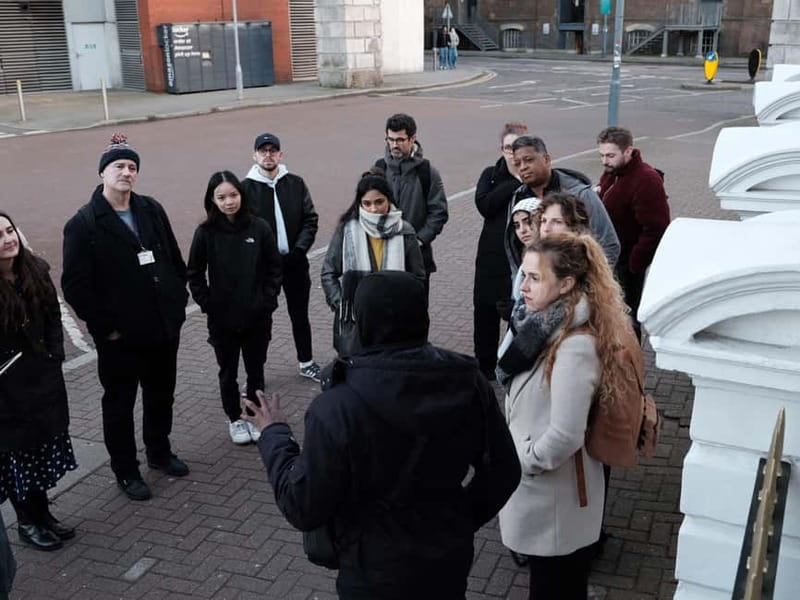
One of the tour’s key insights is the contribution of the Transatlantic Slave Trade to London’s development. Stefan shares details about how the trade helped fund and build parts of the city, providing a crucial perspective on a difficult but important part of history.
This segment emphasizes the tangible impact of global trade networks on local infrastructure and urban growth. The stories help contextualize how wealth generated from this trade helped develop areas like Canary Wharf, contributing to London’s rise as a financial capital.
More Great Tours NearbyA highlight of the tour is the walk around the docks, where Stefan points out the contrasting conditions of workers and dockmasters. This visual and narrative contrast offers a deeper understanding of social hierarchies and living conditions during London’s maritime and industrial periods.
The tour helps illuminate how these historical living conditions relate to modern issues of homelessness, connecting past economic disparities to current social struggles. Stefan’s personal stories as someone with experience of homelessness add depth to this discussion, helping visitors see beyond statistics.
Stefan uniquely enhances the tour by sharing his own experience of homelessness. His insights shed light on different types of homelessness, including the challenges of living in temporary housing or under contract work.
He explains how homelessness can be hidden and complex, offering a nuanced view often missing from typical historical tours. His stories underscore the importance of social support and understanding, helping to challenge common perceptions.
The tour is wheelchair and mobility scooter accessible upon request, ensuring it accommodates visitors with mobility needs. It is also pet friendly, making it easier for travelers to bring loved ones. To enjoy the experience fully, visitors should wear comfortable walking shoes and be prepared for all weather conditions.
Since the tour is mainly outdoors, bringing water and a camera helps capture the sights and stay comfortable. Smoking is not permitted, and the tour runs in English.
A meaningful aspect of this tour is that any additional donations at checkout directly support training more vulnerable individuals as tour guides. This approach empowers people with experience of homelessness and helps challenge social stigmas. Visitors can feel good about contributing to a cause that promotes social change while learning about London’s history.
The London Canary Wharf Walking Tour: Homelessness Revisited combines history, social awareness, and personal stories into a compelling 1.5-hour journey. Guided by Stefan, visitors gain a respectful, honest look at how global trade shaped London while confronting the realities of homelessness today.
The tour’s focus on local history and social issues makes it particularly suited for those interested in deeper urban stories and social justice topics. Its accessible format and flexible booking options add to its appeal.
While the tour does not include meals, drinks, or transportation, it offers a rich narrative experience that is both educational and thought-provoking. It’s ideal for visitors who want to understand London’s past and present on a personal level, especially with a guide who brings authenticity and insight.
Is the tour accessible for wheelchairs and mobility scooters?
Yes, the tour is wheelchair and mobility scooter accessible upon request.
How long does the tour last?
The tour lasts approximately 1.5 hours.
What should I bring?
Visitors should bring comfortable shoes, water, a camera, and weather-appropriate clothing.
Are pets allowed on the tour?
Yes, the tour is pet friendly.
Can I cancel my booking?
Yes, you can cancel up to 24 hours in advance for a full refund.
Does the tour include meals or transportation?
No, meals and drinks are not included, and transportation to the meeting point is not provided.