Physical Address
304 North Cardinal St.
Dorchester Center, MA 02124
Physical Address
304 North Cardinal St.
Dorchester Center, MA 02124


Explore Salt Lake City's history with this self-guided audio walking tour, covering iconic landmarks like the Utah State Capitol and Salt Lake Temple for $14.99.
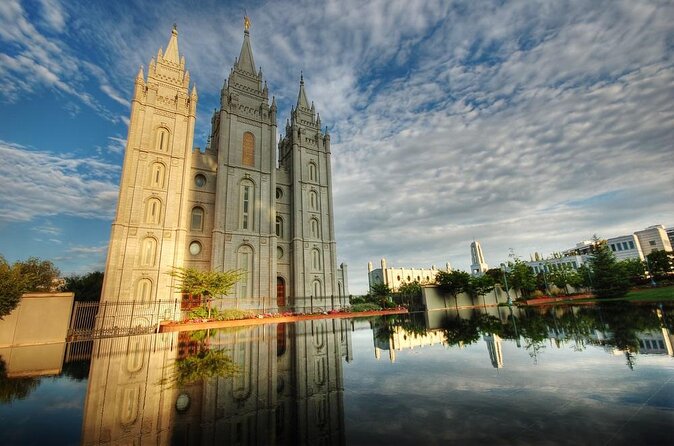
The Salt Lake City Self-Guided Walking Audio Tour offers an affordable and flexible way to explore the city’s most significant sites at your own pace. Priced at $14.99 per person, this tour spans approximately 1 to 2 hours and covers a 2.3-mile route through Salt Lake City’s downtown. With a mobile ticket and access to an app that works offline, it’s an ideal option for visitors who want to dive into the city’s history without the constraints of a fixed schedule or group.
This tour presents a wealth of information about Salt Lake City’s founding, architecture, and Mormon heritage through engaging storytelling. It’s particularly suited for those interested in local history, architecture enthusiasts, or visitors planning an extended trip who want to revisit the city’s stories over the next year. One notable strength is the easy-to-use app, which offers hands-free navigation and the ability to pause and restart as desired. A minor consideration is that this isn’t an entrance ticket, so checking opening hours at specific sites remains necessary.
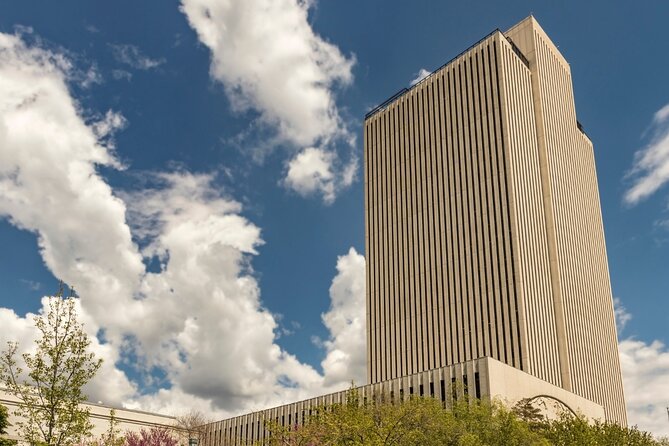
For broader city exploration in Salt Lake City, we've covered these other tours
The tour begins outside the Visit Salt Lake Center at 90 S W Temple St. This central location is easily accessible and sets the tone for a citywide exploration of Salt Lake’s landmarks. The tour is designed for self-paced walking, with no guide waiting at the start, making it perfect for independent explorers. It’s available daily from 6:00 AM to 9:00 PM, allowing early risers or evening wanderers to join anytime.
Travelers should note that the tour is not an entrance ticket and does not include entry to attractions, so verifying opening hours is recommended if planning to go inside specific sites. The route is carefully curated to include the most important spots, making sure none of the highlights are missed.
Just a short walk from the start point, the Crandall Building stands out as Salt Lake’s first skyscraper, built in the 1890s. Its carved arched entryway and historical significance as one of the earliest buildings to feature an elevator make it a compelling stop. Originally housing McCornick Bank, it reflects the city’s early architectural ambitions. Visitors appreciate that this stop offers a glimpse into Salt Lake’s development during the late 19th century.
The building is not included in the ticket price, but its historical value makes it worth a quick visit. The exterior architecture provides excellent photo opportunities and context for understanding Salt Lake’s growth.
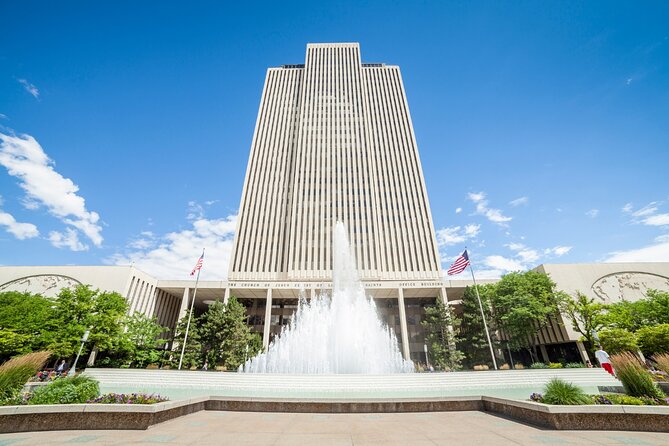
A prominent feature on the tour is the 25-foot bronze statue of Brigham Young, a key figure in Salt Lake City’s history. The statue faces across the road from the tour route. Brigham Young’s story involves his conversion to Mormonism after studying the Book of Mormon for two years, despite initial skepticism. His leadership in guiding Mormon pioneers westward and establishing Salt Lake City makes this monument a focal point for understanding the city’s origins.
Visitors find the story behind the statue compelling, as it highlights Young’s dedication and pivotal role in Utah’s development. The free-to-view monument provides a tangible connection to the city’s founding father.
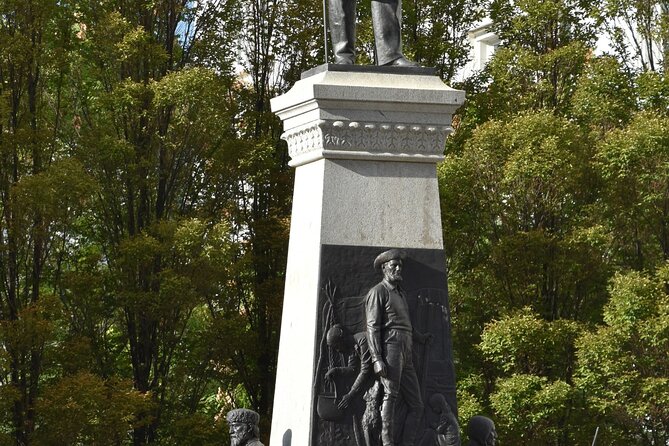
Next, the Handcart Pioneer Monument depicts a man and woman struggling with a handcart, commemorating European Mormon pioneers who arrived in 1856. This stop broadens the narrative beyond Brigham Young’s leadership, acknowledging the diverse waves of settlers who contributed to Salt Lake’s growth. The bronze sculpture captures the hardship and perseverance of these pioneers.
This site offers insight into the immigrant experiences that shaped the city’s demographic makeup. It’s a powerful reminder of the resilience required during Salt Lake’s early days.
Appreciate having local insight? Here are other guided experiences in Salt Lake City we've examined
The Seagull Monument features golden seagulls perched on a pillar, raising questions about why seagulls are associated with a landlocked city. The story stems from a Mormon legend where crickets devoured crops in 1848, threatening the pioneers’ harvest. Their prayer for help was answered by the arrival of seagulls, which ate the crickets and saved the crops.
This story exemplifies the religious and cultural narratives that are woven into Salt Lake City’s history. The monument itself offers a peaceful spot for reflection and a photo opportunity.
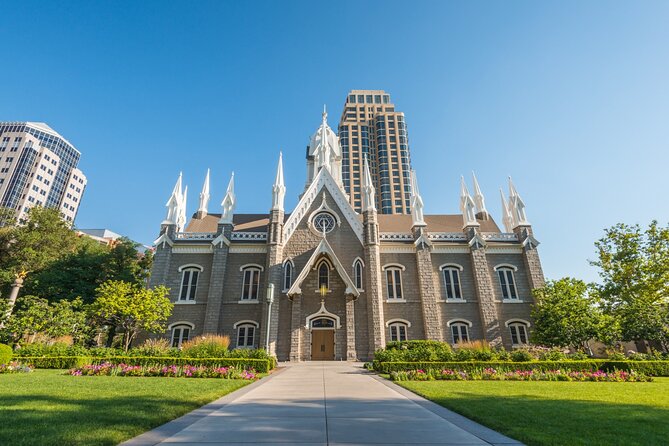
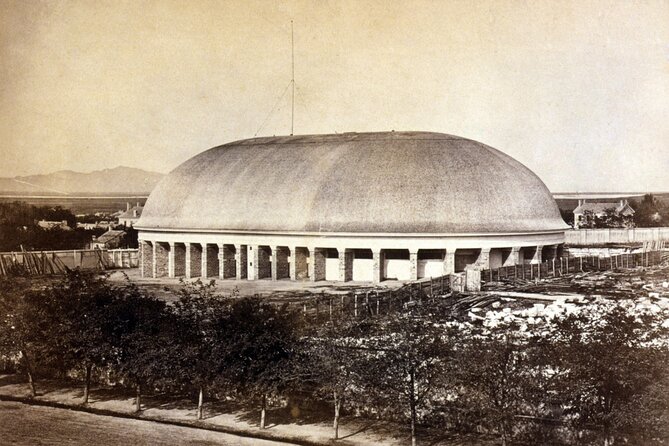
Two iconic religious structures form a central part of the tour: Assembly Hall and the Salt Lake Tabernacle. The Assembly Hall, built in 1882, has hosted Mormon gatherings for nearly 150 years. Its massive wooden structure is significant as a long-standing community space.
The Salt Lake Tabernacle, constructed between 1863 and 1867, serves as a venue for large church events and is renowned for its architectural ingenuity. Its timber roof design is notable, and the building continues to play an active role in Mormon community gatherings. Both sites are free to visit, and their inclusion emphasizes Salt Lake’s religious foundations.
Adjacent to the Tabernacle is the Salt Lake Utah Temple, completed in the late 19th century. The spires and the statue of the angel Moroni atop the temple are distinctive features. The angel Moroni, according to Mormon belief, guided Joseph Smith to the golden tablets of the Book of Mormon.
The Temple’s architecture and religious symbolism make it a must-see landmark on the tour. While the exterior can be appreciated freely, interior visits require special access, so visitors should plan accordingly.
The tour enters Temple Square, the central hub of Salt Lake City’s Mormon community. This area has been the city’s focal point since its founding, although early settlement was more modest, marked by hardships like a meager winter diet and a measles outbreak.
Walking through Temple Square reveals well-maintained gardens, historic buildings, and a sense of the city’s spiritual core. This location is essential for understanding Salt Lake’s cultural identity.
The Relief Society Building, with its tall pillars, is the headquarters of the women’s organization founded in 1842 by Joseph Smith. It highlights the important role women played in the Mormon community, especially in charitable efforts and community support. The building’s white facade makes it a recognizable landmark.
The Relief Society has historically been a center for women’s activism within the church, making this stop an insightful glimpse into gender roles and social organization in Utah.
Located on land once owned by Brigham Young and his family, the Brigham Young Historic Park showcases the pioneer’s landholdings, including orchards and carpentry sheds. The park offers a green space where visitors can imagine the early homesteading efforts and the expansion of Salt Lake City.
This site emphasizes the personal side of Young’s legacy and the development of Salt Lake’s neighborhoods.
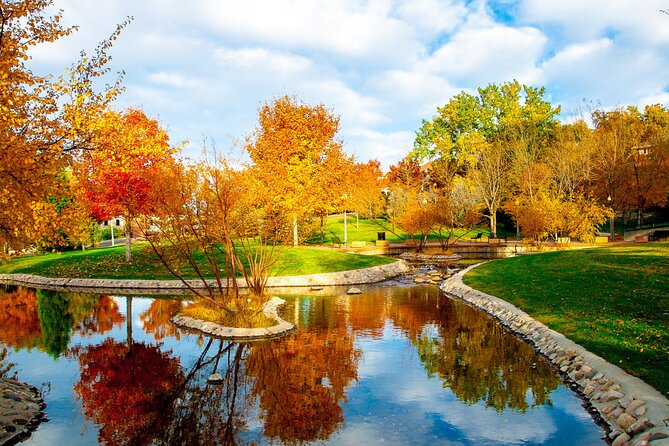
City Creek Park features the creek dammed by early Mormon settlers to create arable land, such as turnip fields. The park’s natural setting offers a peaceful walk along the City Creek, illustrating the settlers’ ingenuity in transforming the landscape.
The dam and the park landscape highlight the practical challenges faced by the pioneers and their efforts to tame the environment.
The Utah State Capitol marks the culmination of the tour. Constructed after Utah became a state in 1896, the Capitol’s impressive spires and grand architecture symbolize Utah’s political independence after years of territorial status. The building now houses government offices and is a prominent landmark.
Visitors can appreciate both its architectural grandeur and its historical significance, marking Utah’s journey to statehood after seven federal petitions.
The tour concludes with two significant monuments. The Mormon Battalion Monument commemorates 500 Mormon volunteers who joined the U.S. Army during the Mexican-American War, portraying their dedication. Nearby, the Martha Hughes Cannon Statue celebrates Utah’s pioneering female politician, recognized as America’s first female state senator.
Both sites highlight Utah’s unique contributions to American history, from military service to women’s leadership.
The Self-Guided Walking Audio Tour is available year-round from 6:00 AM to 9:00 PM. It uses an app that must be downloaded and activated while connected to Wi-Fi or cellular data. After setup, the tour can be enjoyed offline and at any pace, making it suitable for busy schedules or leisurely exploration.
There are no entrance fees for attractions, but users should verify individual opening hours. The tour is not a guided group, providing complete independence. Headphones or earbuds improve the experience, especially when listening to detailed stories during walks.
This tour is best suited for history buffs, architecture enthusiasts, and those interested in Mormon heritage. It offers a thorough overview of Salt Lake City’s landmarks without the need for a guide or group. Its flexibility makes it perfect for extended stays or repeat visits, as the app can be used for a full year after purchase.
While some reviews note occasional issues with automatic start-up at stops, most find the storytelling engaging and the route well curated. It provides a rundown of Salt Lake City’s history, architecture, and culture, with many sites accessible for free.
The Salt Lake City Self-Guided Walking Audio Tour combines affordability, flexibility, and educational storytelling to offer a practical way to explore downtown Salt Lake. Its main strengths are the narrative quality, offline accessibility, and a route that hits all major landmarks.
However, it’s not a ticket to inside attractions, so planning around opening hours is needed. The app-based experience is seamless once set up, and the one-time purchase allows for multiple trips within a year, making it a smart choice for budget-conscious visitors.
This tour provides a valuable introduction to Salt Lake City’s history and architecture—ideal for those who prefer exploring independently and want to learn as they walk.
“I enjoyed seeing the sights in downtown Salt Lake City. The guided tour was informative and educational.”
Is this tour suitable for all ages?
Yes, the self-guided nature makes it accessible for most ages. However, it involves walking, so comfortable shoes are recommended.
Do I need to purchase entrance tickets for the stops?
No, the tour is free to explore outside the attractions. Inside sites like the Utah State Capitol or Salt Lake Temple may have separate entry policies.
Can I start the tour at any time?
Yes, the tour is available daily from 6:00 AM to 9:00 PM. You can start whenever it suits your schedule.
What should I know about the app setup?
Download the Action Tour Guide App while connected to Wi-Fi. You will receive a password via email and text after booking to access the tour.
How long does the entire route take?
The approximate duration is 1 to 2 hours, depending on your pace and time spent at each stop.
Are there any physical or accessibility considerations?
The tour involves walking along a 2.3-mile route. Accessibility details are not specified, so those with mobility concerns should plan accordingly.
Can I use this tour for multiple trips?
Yes, the purchase is valid for one year, so you can revisit Salt Lake City and enjoy the tour repeatedly.
What if I face technical issues during the tour?
Support is available if you encounter audio problems. Contact the provided support for assistance.
Is there a way to customize the stops?
The tour follows a fixed route with pre-selected stops, so customization isn’t available. However, you can pause or skip sections as you wish.
How does this tour compare to other options?
It’s a cost-effective alternative to guided tours, offering detailed storytelling without limits on timing. It’s suitable for independent exploration but doesn’t include inside access to attractions.