Physical Address
304 North Cardinal St.
Dorchester Center, MA 02124
Physical Address
304 North Cardinal St.
Dorchester Center, MA 02124

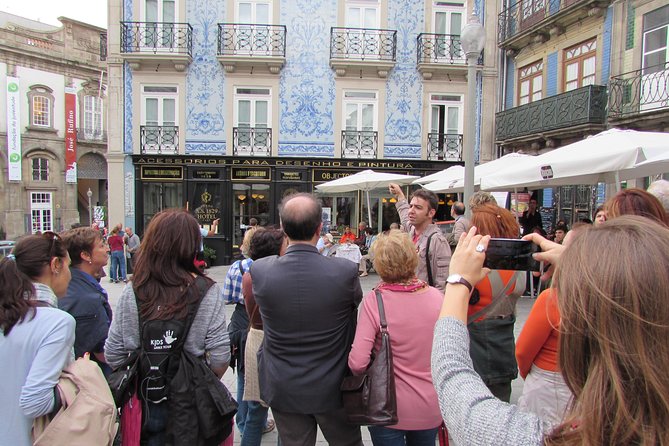
Discover Porto's artistic heritage with this 3-hour walking tour focusing on the city's iconic tiles, UNESCO-listed sites, and historical landmarks for $56.33.
The Walking Tour – History of Tiles in Porto offers a fascinating exploration of one of the city’s most distinctive features — its colorful, decorative tiles, known as azulejos. Priced at $56.33 per person and lasting approximately 2 hours and 45 minutes, this small-group experience is limited to 10 participants, ensuring an intimate and engaging atmosphere. Starting at the Igreja do Carmo, the tour takes you through Porto’s UNESCO-listed historic center to highlight the craftsmanship that shapes the city’s architecture.
This tour is ideal for those with an appreciation for artistic detail and architectural beauty. The knowledgeable guides, often with backgrounds in art history or architecture, lead you through Porto’s most iconic sites, including the Sao Bento Train Station and Carmo Church. While no food or drinks are included, the tour’s focus on tile craftsmanship and Porto’s cultural history makes it a compelling choice for visitors eager to understand the city beyond its surface.
If you're drawn to exploring Porto on foot, we've looked into these other walking experiences
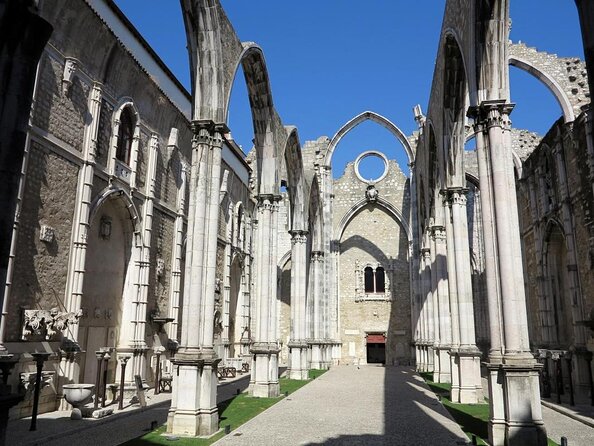
The tour begins at the Igreja do Carmo, located in the heart of Porto’s UNESCO World Heritage area. This church façade, featuring its first tile panel, sets the tone for the artistic journey ahead. The meeting point is easily accessible, close to public transportation, making it convenient for visitors staying within the city.
At the start, the guide introduces Porto’s architectural heritage and explains the significance of azulejos in local design. The focus is on how these tiles have developed over time and what techniques artisans use to create their intricate patterns. The relaxed pace allows for plenty of questions and close-up observations of the detailed tile work.
A major highlight of the tour is the Sao Bento Railway Station, famous for its dazzling mosaics that depict battles, historical events, and the city’s past. These murals, made by Jorge Colaço, are a visual feast and give visitors a vivid sense of Porto’s industrial history.
The station itself is a working train station, but the free admission means you spend time marveling at the elaborate tile art without interruption. The guide explains the stories behind the scenes, emphasizing how the tiles serve as both decorative and educational elements in Porto’s architecture.
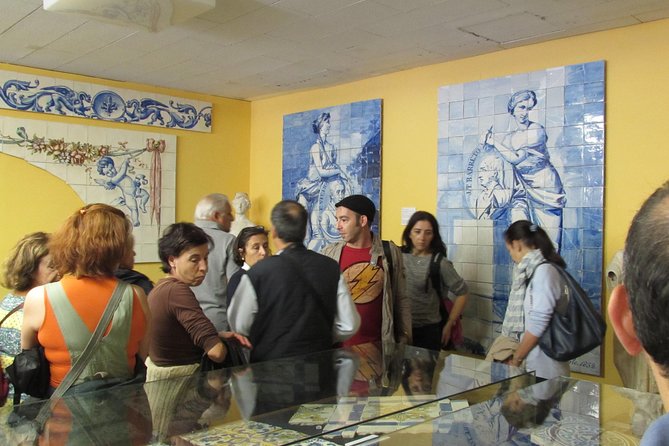
Next, the tour takes you to the Museu da Cidade do Porto, where the city hall’s tile collection displays the evolution of Porto’s tile-making industry. The materials and techniques used in Porto’s tiles reveal a craftsmanship that has persisted for generations.
A 15-minute stop here allows for a closer look at the bank of materials and artistic styles that have influenced local architecture. The guide shares stories about how Porto’s tiles have been used in churches, houses, and commercial buildings, shaping the city’s visual identity.
Back at the Igreja do Carmo, the tour investigates one of the city’s most recognizable tile-covered facades. This church features an initial panel that exemplifies Porto’s decorative tile work.
A brief 5-minute stop provides an opportunity to observe the patterns and colors close-up, with the guide discussing techniques and symbolism behind the design. It’s a chance to appreciate how Porto’s religious architecture combines art and devotion through meticulous tile decoration.
Interested in history? Here are other past-focused experiences we've examined in Porto
Throughout the tour, guides highlight various techniques used in Porto’s tile-making, including painting, glazing, and patterning. They explain how these methods have evolved and how Porto’s industrial history influenced tile production.
This information helps visitors understand how tiles are created, from traditional methods to modern adaptations. The guides’ expertise—often with art or architecture backgrounds—brings a personal touch and detailed explanations that deepen appreciation for Porto’s tile craftsmanship.
While the main focus is on historic tiles, the tour also includes references to modern street art seen throughout Porto. The guide shares insights into how current urban art interacts with the city’s traditional tile architecture, creating a dynamic cultural landscape.
This aspect adds a contemporary layer to the experience, highlighting Porto’s evolving artistic scene. It also demonstrates how public art and tile heritage coexist, enriching the city’s visual tapestry.
The route covers Porto’s highlights beyond just tiles, providing context for the urban landscape. The small group size ensures a rich, engaging discussion as the guide points out distinctive facades, churches, and public buildings.
Each stop offers insights into Porto’s architectural styles, blending Baroque, Neo-classical, and Modernist influences. The walk concludes at Ribeira Square, a lively area perfect for relaxing after absorbing the city’s visual stories and architectural details.
The tour begins at Igreja do Carmo and ends near Sao Bento station, making it easy to reach via public transportation. The group is limited to 10 people, fostering an environment ideal for personalized attention and interactive discussions.
Since the tour is mobile ticketed, it offers flexibility and convenience. No food or drinks are included, but the informative guide ensures a rich experience, often with stories and visual examples that stick with visitors long after the tour ends.
What makes this tour special is the depth of knowledge the guides possess about Portuguese tiles and Porto’s architecture. The educational tone, combined with visual highlights, makes it more than just a walk — it’s a comprehensive lesson in local craftsmanship.
The small group size enhances interaction, and the inclusion of major landmarks like Sao Bento and Carmo Church ensures visitors see Porto’s tile heritage in context. The $56.33 price point offers good value for an experience that combines history, art, and city culture in an accessible format.
This walking tour is particularly well-suited for architecture lovers, art enthusiasts, and anyone interested in Portuguese culture. It appeals to those eager to understand the craftsmanship behind Porto’s iconic facades and to see how tradition shapes modern city life.
It’s also an excellent choice for visitors who prefer small, guided experiences that allow for personalized attention and deep dives into local heritage. No prior knowledge of tiles or architecture is necessary, just curiosity and an appreciation for artistic craftsmanship.
The Walking Tour – History of Tiles in Porto offers a well-rounded introduction to the city’s tile-making traditions and architectural beauty. It combines visual marvels with educational commentary from guides with expertise, creating an experience that’s both engaging and informative.
While it doesn’t include food or extensive access to museums, the stops at Sao Bento and Carmo provide free, awe-inspiring displays of Porto’s tile artistry. The small-group format ensures a personalized, friendly environment, perfect for learning and exploring.
If you want to appreciate Porto’s architectural details and understand the craftsmanship behind its iconic facades, this tour stands as a highly recommended, accessible choice.
“Nino was so knowledgeable and explained many interesting details about the azulejos and more”
Is this tour suitable for children?
Yes, children must be accompanied by an adult, and most travelers can participate, making it suitable for families with children interested in architecture or art.
How long does the tour last?
The entire experience runs for approximately 2 hours and 45 minutes, covering multiple stops and highlights around Porto’s historic center.
What stops are included in the tour?
Stops include Sao Bento Railway Station, Museu da Cidade do Porto, and Igreja do Carmo, with a focus on their decorative tiles and architectural features.
Are tickets included in the price?
Yes, stops like Sao Bento and Igreja do Carmo are free admission areas included in the tour.
Is the tour accessible by public transportation?
Yes, the meeting point and stops are near public transportation, making it easy to reach and navigate Porto’s city center.
Can I cancel this tour?
Yes, there is free cancellation available up to 24 hours in advance for a full refund.