Physical Address
304 North Cardinal St.
Dorchester Center, MA 02124
Physical Address
304 North Cardinal St.
Dorchester Center, MA 02124

Discover Sarajevo’s resilience on this 4-hour small-group tour, visiting key war sites, the Tunnel Museum, and offering firsthand stories from a former soldier.
 1 / 9
1 / 9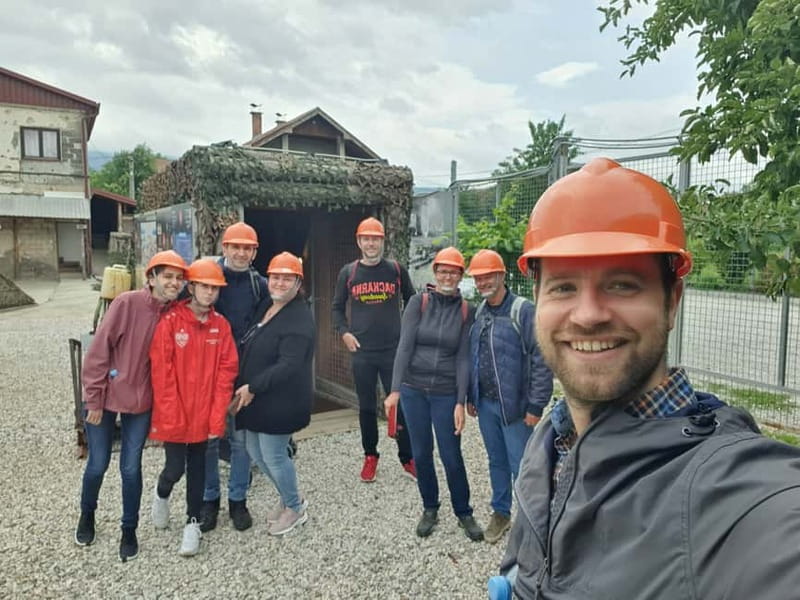 2 / 93 / 9
 4 / 9
4 / 9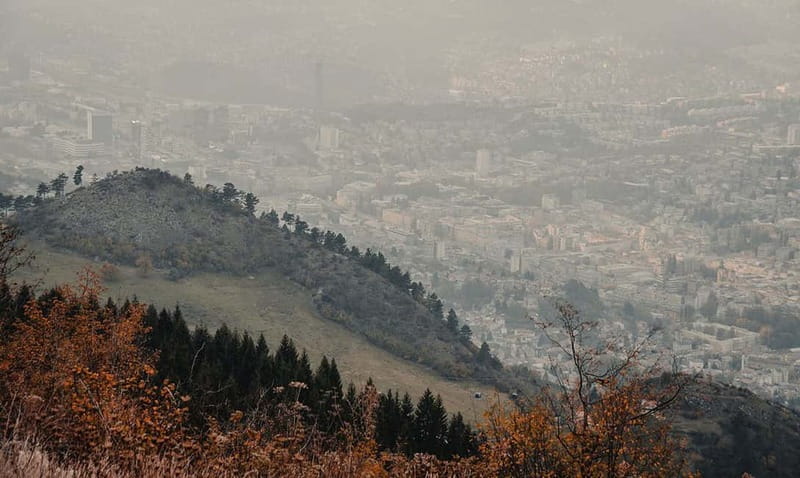 5 / 9
5 / 9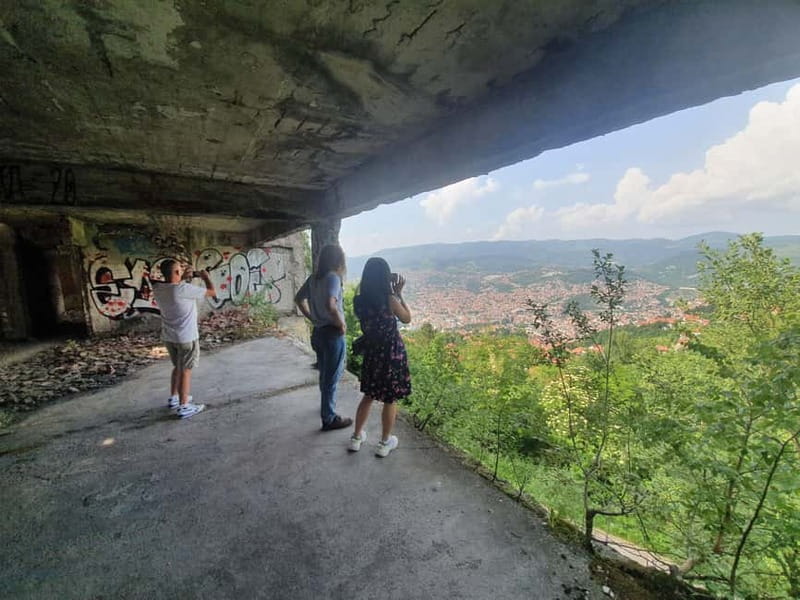 6 / 9
6 / 9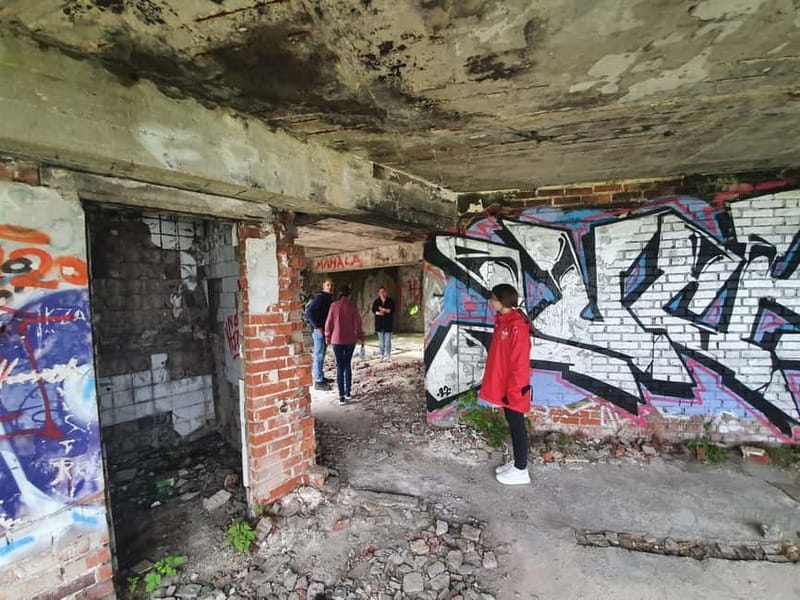 7 / 9
7 / 9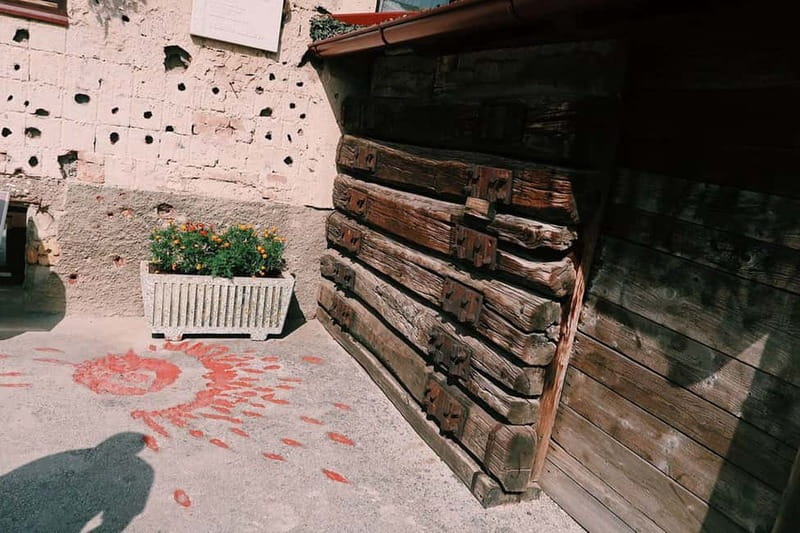 8 / 9
8 / 9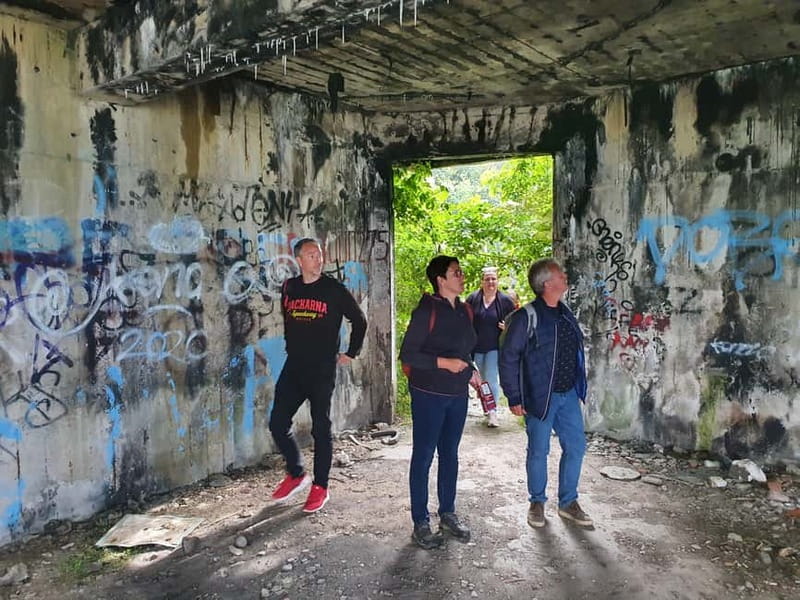 9 / 9
9 / 9
This 4-hour guided tour offers a compelling look into Sarajevo’s recent history, with a focus on the Bosnian War and the siege that shaped the city. Led by knowledgeable guides like Adnan, who have personal experience of the conflict, this tour provides an authentic, human perspective that goes beyond textbooks. It’s ideal for travelers interested in history, resilience, and the stories behind Sarajevo’s scars.
Starting from the Info Bosnia Tourist Information Center on the main pedestrian street, the tour includes transportation, guiding, and visits to several key sites. The entrance fee to the Tunnel of Hope Museum costs 20 BAM, but it’s worth the small additional expense to access a crucial symbol of Sarajevo’s survival. The tour is flexible, with private options available for those seeking a more personalized experience.
While the tour covers a broad range of sites in just 4 hours, it balances visiting iconic locations with storytelling from guides who have lived through these events. It’s particularly suitable for those who want an educational, moving, yet manageable tour that provides insight into Sarajevo’s resilience after the war.
Museum lover? We've covered these other cultural institutions in Sarajevo
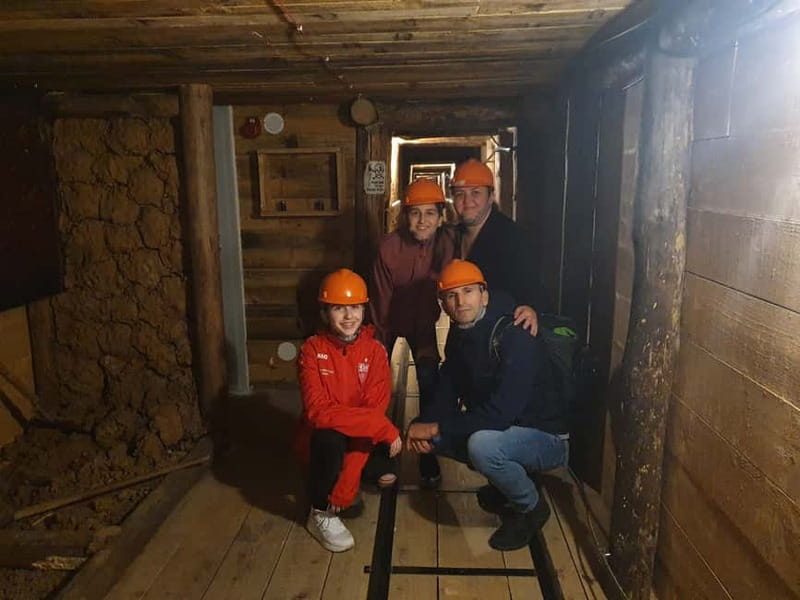
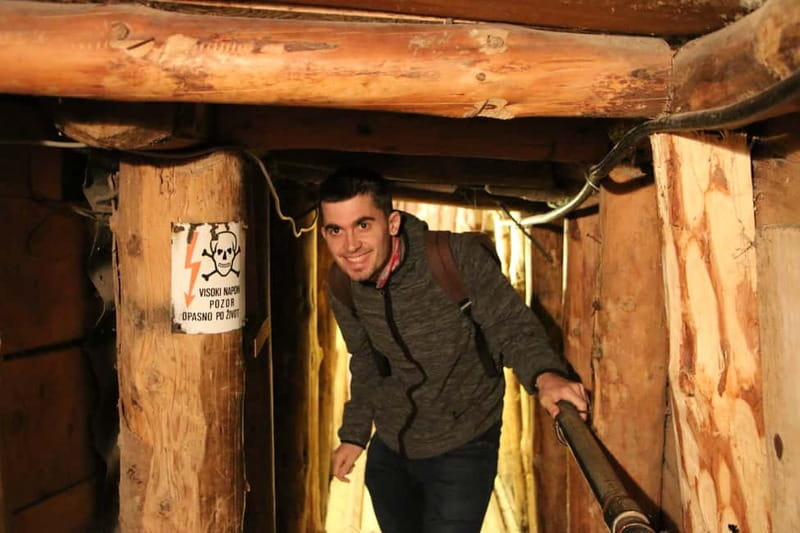
The tour begins with a visit to the Tunnel of Hope Museum, one of Sarajevo’s most important symbols of resistance. Your guide explains the strategic importance of this underground tunnel, built during the siege to connect the city with the outside world. The famous “Sarajevo Rose” marks the location outside the tunnel, signifying the city’s scars from mortar shells.
Just outside this site, the tour passes by Sniper Alley, a notorious stretch where civilians and soldiers faced constant danger from sniper fire during the siege. The guide shares personal stories and historical context, highlighting the city’s struggle for survival. Seeing these locations firsthand offers a powerful connection to Sarajevo’s resilience.
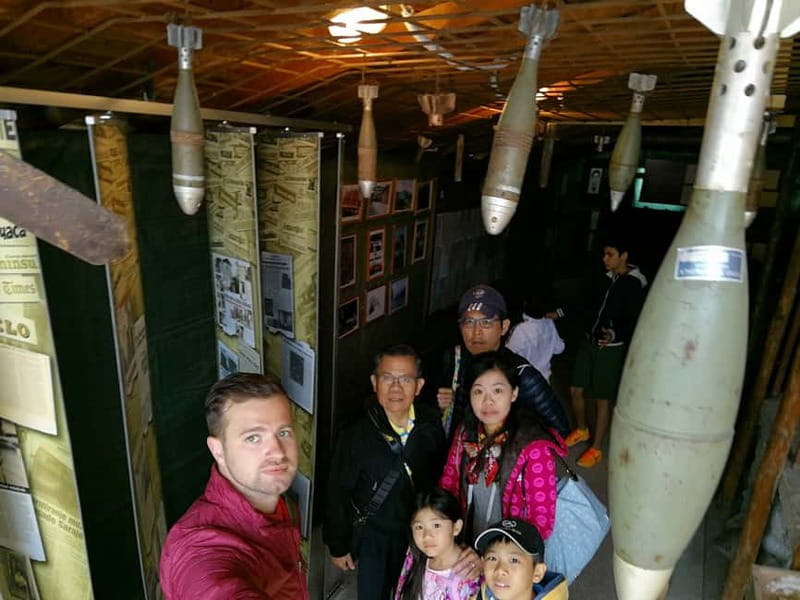
The museum features a short film, followed by a one-hour presentation that explains the fall of Yugoslavia, the war in Slovenia, Croatia, and Bosnia, along with the creation of the tunnel. This gives visitors a comprehensive understanding of the broader conflict influencing Sarajevo’s recent history.
Next, the tour heads to Trebevic Mountain, a site that played a pivotal role during the siege. As the closest mountain to Sarajevo’s center, it was also part of the front line. Visitors can see and walk through the ruins of the Osmice Hotel, a former restaurant and hotel now destroyed, standing as a poignant reminder of the war.
From Trebevic, the panoramic views of Sarajevo are breathtaking, even as they evoke the city’s wartime past. The most beautiful vistas reveal the city’s layout, with the mountain positions once used by enemy forces still visible from this vantage point. It’s a mix of natural beauty and historical reflection.
Below the mountain, the Jewish Cemetery stands out as the second largest in Europe. Its unique tombstone shapes, influenced by medieval Bosnian “Stecak” style, are distinctive features that make this site a meaningful stop. The guide explains the cemetery’s significance and the cultural heritage it preserves.
The tour moves into Sarajevo’s Ottoman Quarter to visit the Yellow Fortress. This historic bastion offers another panoramic view of the city and its surroundings. The fortress has a history of military importance and provides a spectacular backdrop for photos.
The final stop is the “Shehidi” (Martyr) Cemetery, where soldiers fallen for Bosnia’s independence are honored. The grave of Alija Izetbegovic, Bosnia’s first President, lies within, marking a significant site of national remembrance. The guide discusses the heroes and sacrifices that shaped modern Bosnia.
More Great Tours Nearby
Exploring the destroyed Osmice Hotel, which once hosted visitors to Sarajevo, showcases the physical scars of the war. The hotel-restaurant now stands destroyed, symbolizing the city’s resilience and ongoing process of recovery.
The tour also includes a visit to the abandoned Bobsleigh and Luge Track, built for the 1984 Winter Olympics. This empty sports venue is a stark reminder of Sarajevo’s Olympic prominence and subsequent war-torn decline. It’s a striking visual and offers great photo opportunities.
This tour departs from the Info Bosnia Tourist Information Center on Sarajevo’s main pedestrian street, with pick-up options available for your hotel. The group size is kept small, ensuring a personalized experience, and the vehicle is air-conditioned for comfort. The tour is available as private or small group experiences.
The guided commentary is in English, with live narration that combines historical facts with personal stories from guides like Adnan, who has firsthand war experience. The tour can be canceled free of charge if done 24 hours in advance.
The entrance fee to the Tunnel Museum is 20 BAM per adult or 8 BAM for students. The price includes driver/guide, pickup and drop-off (if private option is chosen), and air-conditioned transport. The tour duration is about 4 hours, making it a manageable half-day activity.
Travelers should note that the tour is primarily in English, and additional charges may apply for other languages. The pacing is designed to balance walking, stops, and travel time to avoid feeling rushed.
What makes this Bosnian & Yugoslav Wars Tour particularly compelling is the presence of guides like Adnan, who share personal war stories that add depth and authenticity. The visits to iconic sites such as Sniper Alley, the Tunnel of Hope, and the Martyr Cemetery give a comprehensive picture of Sarajevo’s struggles and resilience.
The stunning views from Trebevic and the historical significance of sites like the Yellow Fortress make this tour both visually and emotionally engaging. The small-group format ensures a personalized, respectful atmosphere suited to those eager to learn about Sarajevo’s recent past.
While the 4-hour duration limits in-depth exploration of some locations, the careful curation of stops and stories ensures an educational and moving experience that stays true to the city’s history.
This tour is an excellent choice for travelers seeking insight into Sarajevo’s war-torn history with guides who bring their personal experience into storytelling. The combination of sites, including the Tunnel Museum, Sniper Alley, Trebevic, and cemeteries, offers a comprehensive view of the city’s resilience.
The tour’s practical logistics, small-group setting, and attention to emotional storytelling make it a meaningful activity. It’s especially suited for those interested in history, personal narratives, and urban resilience.
Though not suitable for visitors looking for luxurious or leisurely sightseeing, this experience delivers genuine insight into Sarajevo’s recent past in a compact, powerful package.
Is this tour suitable for people with limited mobility?
Some sites involve walking or uneven surfaces, such as the destroyed Osmice Hotel and the Bobsleigh Track, so mobility may be limited for some.
What is the cost of the Tunnel Museum entrance fee?
The entrance fee is 20 BAM for adults and 8 BAM for students.
Can I customize the tour or request a different language?
The tour is primarily in English, but additional charges may apply for other languages upon request.
How do I book and cancel this tour?
Reservations can be made with free cancellation up to 24 hours in advance, providing flexibility for your travel plans.