Physical Address
304 North Cardinal St.
Dorchester Center, MA 02124
Physical Address
304 North Cardinal St.
Dorchester Center, MA 02124


Explore Lisbon’s dark past with this 3-hour walking tour revealing the city’s role in the Atlantic slave trade. Highly rated, expert-guided, and priced at $38.24.
Taking a half-day journey through Lisbon’s history, the Half Day Historical Walking Tour about the Slave Trade in Lisbon offers a deeply informative look at a rarely discussed chapter of Portugal’s past. Priced at $38.24 per person, this 3-hour walking experience is led by a knowledgeable local guide and covers significant sites related to Portugal’s involvement in the Atlantic slave trade. The tour is popular, often booked 39 days in advance, and receives a perfect 5.0 rating from 156 reviews.
This tour suits those with an interest in history, especially the global impact of Portugal’s Age of Discovery, and those eager to understand how slave trade history influences contemporary Portuguese culture. The small group size, capped at 8 travelers, ensures a personal and detailed exploration. While physically moderate in effort, it involves walking through Lisbon’s historic neighborhoods, making it ideal for those comfortable with steady pace walking.
 1 / 7
1 / 7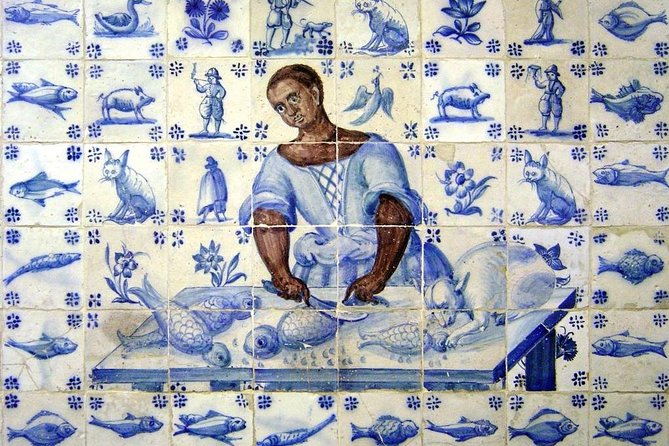 2 / 73 / 7
 4 / 7
4 / 7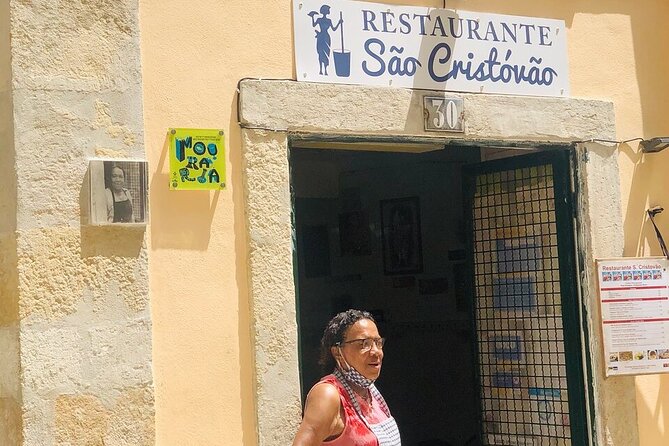 5 / 7
5 / 7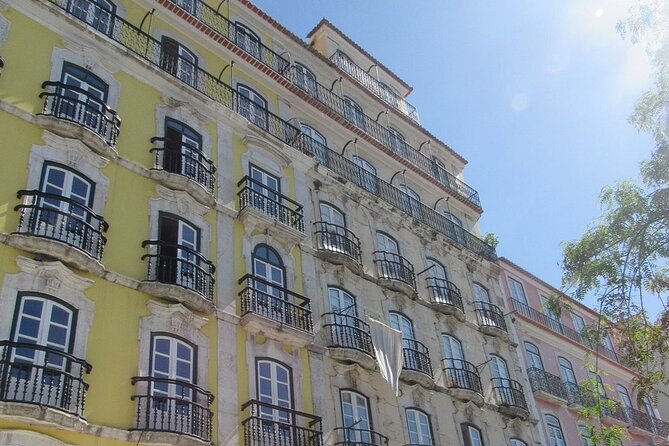 6 / 7
6 / 7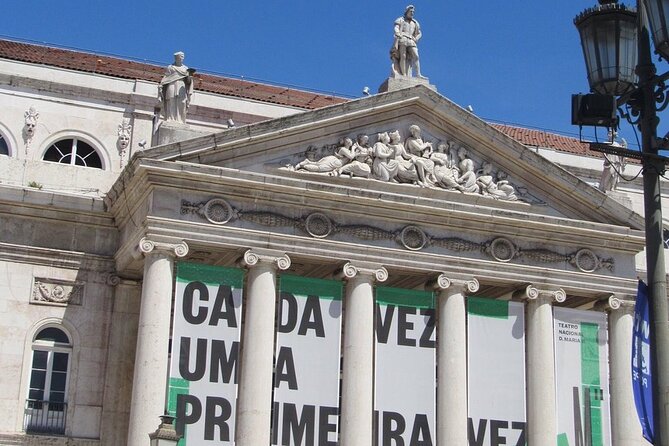 7 / 7
7 / 7
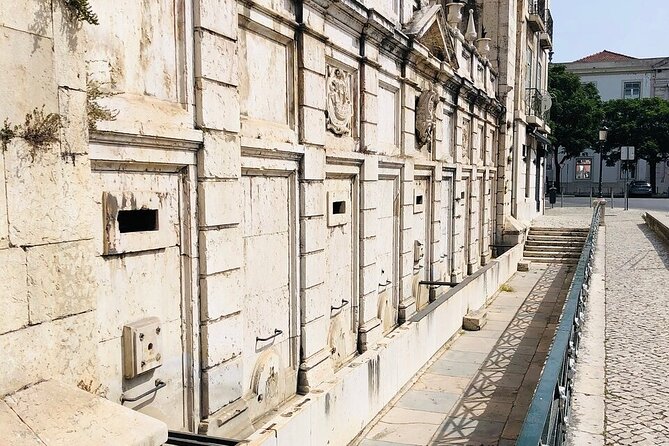
The tour begins at Largo do Chafariz de Dentro 30, in Lisbon’s historic center, and lasts approximately 3 hours. It covers key sites related to Portugal’s involvement in the slave trade, providing a chronological and thematic overview of the country’s dark past. The tour ends at Largo do Carmo, close to public transportation options, making it easy to continue exploring Lisbon afterward.
Participants should be prepared for moderate physical activity involving walking through hilly neighborhoods. The tour does not include hotel pickup or drop-off, so travelers should plan to meet directly at the starting point.
If you're drawn to exploring Lisbon on foot, we've looked into these other walking experiences
The tour begins with a 30-minute visit to Alfama, Lisbon’s oldest district. Here, the guide recounts how various civilizations — from Romans to Moors — practiced slavery within Portugal. This area offers rich architecture and narrow streets, making it an evocative setting for understanding how slavery and colonialism influenced local development.
The focus on Alfama helps contextualize how Portugal’s Age of Discovery brought wealth via the slave trade. The guide shares stories of these civilizations’ practices, connecting historical dots for a comprehensive picture.
A notable site visited is Campo das Cebolas, where a monument to the victims of the slave trade is planned. Although the monument is not yet erected, this location signifies Portugal’s ongoing acknowledgment of this history. The 10-minute stop emphasizes remembrance and recognition, adding a contemporary dimension to the tour.
This stop highlights Portugal’s efforts to confront its past and fosters a reflective atmosphere for participants.
Next, the tour moves to Praça do Comércio, once Lisbon’s centre of trade and commerce. Here, the guide explains how the slave trade was integral to colonial economic activities. The square’s impressive arcades and river views provide an atmospheric backdrop to discuss how enslaved people contributed to Portugal’s wealth and global influence.
The 15-minute visit underscores the link between colonial trade routes and the port city’s prosperity, illustrating the city’s role as a hub in the Atlantic slave trade.
A significant portion of the tour, about 30 minutes, is dedicated to Lisbon’s neighborhoods of Baixa, Rossio, and Restauradores. Here, the guide shares stories about the lives of enslaved Africans and other captives in the city. Visitors learn about their interactions with Portuguese society, including how enslaved people navigated social and religious life.
This segment helps demystify the human aspect of slavery, moving beyond abstract history to individual experiences, fostering empathy and understanding.
Interested in history? Here are other past-focused experiences we've examined in Lisbon
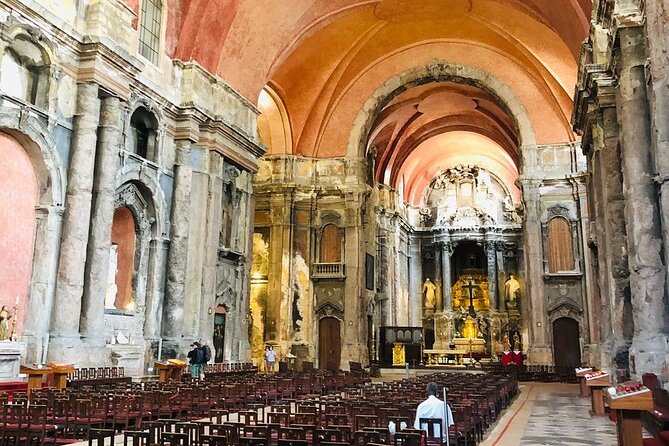
The 10-minute stop at Igreja de São Domingos explores how religious organizations interacted with enslaved communities. The guide details how religious institutions in Lisbon engaged with or responded to the realities of slavery, revealing an often overlooked aspect of this history.
This location sparks conversations about morality, faith, and complicity, adding depth to the historical narrative.
The tour concludes at Largo do Carmo, a site associated with Portugal’s 1980s revolution and the demise of its colonial empire. The guide discusses how colonialism and slavery are interconnected with Portugal’s political transformations in the 20th century.
This stop provides a broader context for understanding how Portugal reckoned with its colonial past and the ongoing repercussions of slavery today.
Throughout the tour, Rui Fernandes receives high praise for his knowledge, friendly demeanor, and ability to explain complex history clearly. Reviews highlight his use of images and documents to enrich storytelling, and his respectful handling of a sensitive subject like slavery.
Rui’s personal connection to the topic and his engaging presentation style make this tour especially compelling. The small group setting ensures plenty of opportunity for questions and discussions.
The tour includes local taxes and a professional guide, but does not cover food, drinks, or hotel transfers. It is best suited for those with moderate physical fitness, as it involves walking through historic neighborhoods with some elevation changes.
Most bookings are made around 39 days in advance, reflecting its popularity. The free cancellation policy allows travelers to cancel up to 24 hours before the tour for a full refund, providing peace of mind.
This 3-hour walking tour offers a rare and meaningful perspective on Portugal’s role in the Atlantic slave trade. It excels in expert storytelling, with Rui Fernandes guiding with passion and clarity. The stops at historic neighborhoods, monuments, and sites are carefully chosen to illustrate how slavery shaped Lisbon and Portugal’s broader history.
While the tour involves steady walking and some historical weight, it remains accessible and profoundly educational. It’s highly recommended for travelers interested in a well-rounded, honest look at Portugal’s past, especially as this history continues to influence contemporary society.
Is this tour suitable for all physical levels?
The tour requires moderate walking through Lisbon’s historic neighborhoods, so travelers should be comfortable with steady pace walking. It is not recommended for those with walking difficulties.
Does the tour include transportation between sites?
No, the tour is a walking experience starting at Largo do Chafariz de Dentro and ending at Largo do Carmo. Participants should plan to walk and use public transportation for other travel.
Can I cancel my booking if my plans change?
Yes, cancellations are free if made at least 24 hours in advance. Cancellations less than 24 hours before the start are not refunded.
What makes this tour stand out from others in Lisbon?
This tour emphasizes Portugal’s role in the global slave trade and discusses less commonly addressed topics such as how slavery influenced Portuguese culture and the city’s development, guided by an expert and respectful guide.