Physical Address
304 North Cardinal St.
Dorchester Center, MA 02124
Physical Address
304 North Cardinal St.
Dorchester Center, MA 02124

Explore East London's dark history with this women-focused Jack the Ripper walking tour, featuring detailed stories, historic sites, and cultural insights for $34.27.
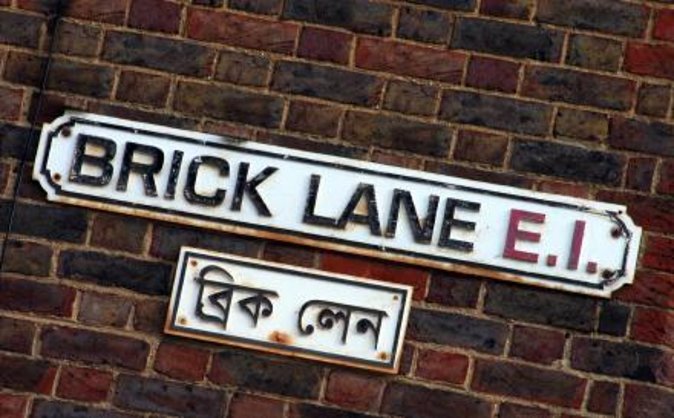
This 2-hour evening walking tour in London’s East End offers a fresh perspective on the infamous Jack the Ripper case. Priced at $34.27 per person and operated by Rebel Tours, it distinguishes itself by centering on the stories of the women who were victims, rather than on the killer himself. With a highly rated 5.0 out of 5, based on 31 reviews, it is widely recommended for those interested in a respectful, fact-based exploration of Victorian London’s social history.
Meeting outside Aldgate station at 6:30 pm, this tour takes you through historic neighborhoods like Brick Lane, Whitechapel Road, and Spitalfields. The tour’s intimate group size, capped at 20 travelers, ensures a personal experience. It’s important to note that the tour is weather-dependent and requires good weather, but offers a full refund if canceled due to poor conditions.
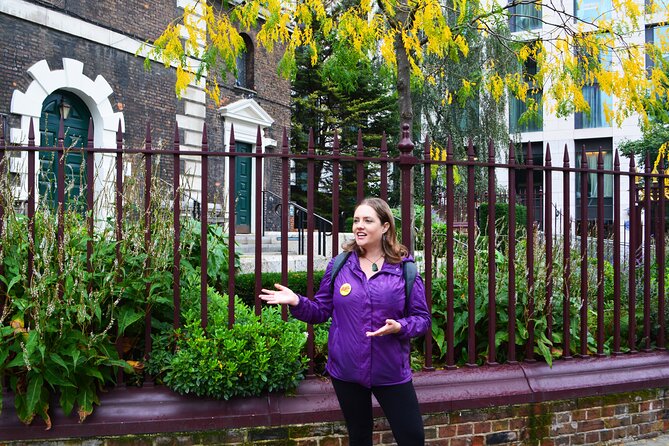
Planning more time in London? We've covered other experiences worth considering.
Unlike many traditional tours, this experience shifts the spotlight onto the women who suffered at the hands of Jack the Ripper. It explores their backgrounds, including poverty, addiction, and social vulnerability. Stops like the Brick Lane Mosque reveal the area’s immigration history, adding depth to the understanding of Victorian multicultural East London.
This approach provides a more humanized view, emphasizing that these women were complex individuals with stories that deserved recognition. The tour discusses charities working in the area today, connecting past struggles with present-day efforts.
Whitechapel Road is a significant starting point, where stories of Martha Tabram and Polly Nichols are shared. Visitors learn about their lives as working-class women and the harsh conditions they endured, including dosshouses and workhouses. The guide explains societal issues like addiction and homelessness that contributed to their vulnerability.
This stop provides context about Victorian Whitechapel, painting a picture of poverty and social marginalization. It sets the tone for understanding why these women were targeted and how their lives intersected with the larger social fabric of Victorian London.
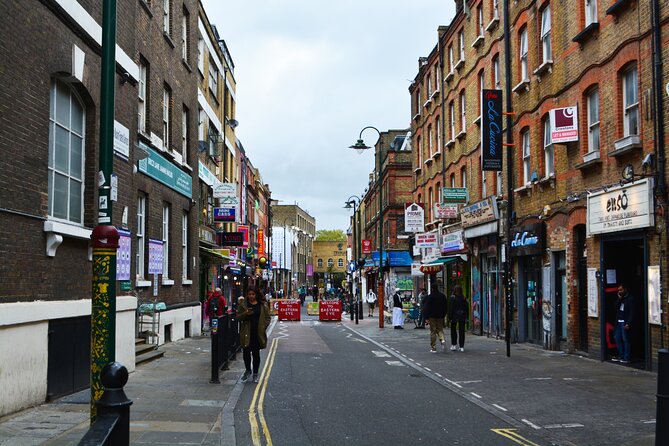
The tour takes a closer look at Brick Lane, where Polly Nichols was last seen alive. The stop here includes a visit to the site of the pub she visited on her final night. This focus allows for a deeper understanding of her story and the impact of alcoholism during that era.
Beyond the crime, the tour explores immigration into East London, stopping at the Brick Lane Mosque. This highlights the cultural diversity of the area, which continues to thrive today, adding layers to the historical narrative.
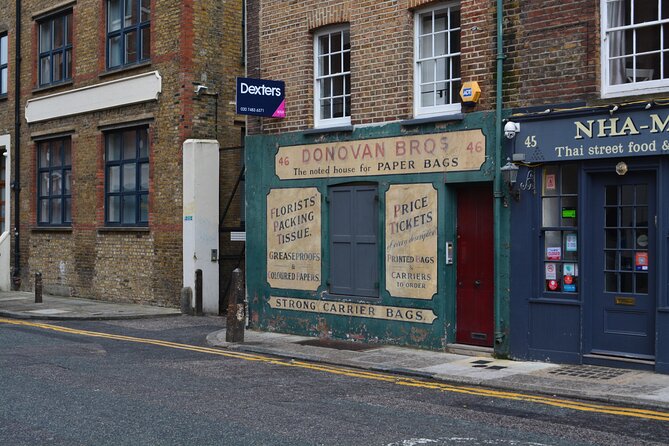
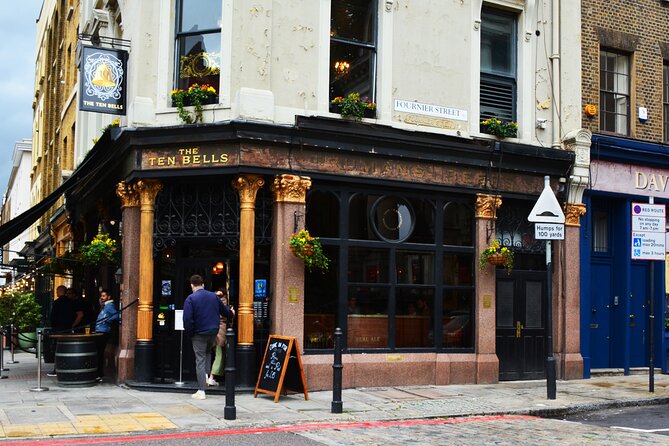
Spitalfields Market and the Old Truman Brewery form a central part of the tour. At 29 Hanbury Street, the site where Annie Chapman was found, the guide shares her life story and the circumstances leading to her murder. The nearby Ten Bells Pub is discussed as a place connected to Annie’s life and the sociocultural environment of the time.
The tour also mentions the Reclaim the Night movement, which successfully pushed to revert the pub’s name from the “Jack the Ripper” label back to Ten Bells, reflecting ongoing societal efforts to respect victims’ dignity.
Old Spitalfields Market, opened in 1887, provides historical context about the era’s market life amid the Queen Victoria’s Golden Jubilee. The guide points out the contrast between Victorian prosperity and the poverty faced by many women of the period.
Across from the market, the site of Mary Jane Kelly’s residence—the last victim—is also highlighted. This location remains shrouded in mystery, adding an element of intrigue to the overall narrative.
Petticoat Lane Market serves as a quick reference to the East End’s textile industry, which was central to the area’s economic life. The stop offers a glimpse into the working-class community that many of the victims belonged to, emphasizing their social environment.
This market’s history contextualizes the economic hardships and industry-based livelihoods that shaped the lives of Victorian women in Whitechapel.
St Botolph’s Church and Mitre Square mark the endpoint of the tour. Here, the story of Elizabeth Stride, originally from Gothenburg, unfolds, highlighting her traumatic origins and life in London. The guide recounts her journey into the city and her tragic end.
Mitre Square is where Catherine Eddowes’ body was discovered, closing the tour with a vivid account of her story and fateful last moments, painting a full picture of the Victorian fear and fascination surrounding the murders.
This tour’s small group size and knowledgeable guides ensure a personalized experience. The guides are praised for their respectful tone and ability to tell stories that honor the victims’ lives. This makes it especially suitable for visitors who prefer a serious, sociological approach over sensationalism.
Although the tour is limited to good weather, its cultural depth and focus on victims’ stories make it a meaningful way to explore Victorian London responsibly.
The Jack the Ripper – What About the Women? tour offers a thoughtful alternative to typical Ripper excursions. It is ideal for history enthusiasts, those interested in social issues, and anyone eager to understand East London’s multicultural past. Its emphasis on victims’ stories and respectful storytelling creates a more human and educational experience.
The price point of $34.27, combined with high praise for guides and content, makes it a valuable option for visitors seeking depth and sensitivity. It’s best suited for adults and older teens comfortable with adult themes and an interest in social history.
“A very enjoyable walking tour. Id been on a Jack the Ripper tour previously, but this one was from a very different perspective. I learned a lot a…”
What is the duration of the tour?
The tour lasts approximately 2 hours.
Where does the tour start and end?
It begins outside Aldgate station at 6:30 pm and finishes at Spitalfields Market.
Is the tour suitable for all weather conditions?
It requires good weather, and if canceled due to rain or poor conditions, a full refund is available.
Can I bring service animals?
Yes, service animals are allowed.
What makes this tour different from others?
It shifts focus onto the victims, providing a respectful, sociological perspective rather than sensationalized crime stories.
How many people are in each group?
The tour caps at 20 travelers for a more intimate experience.
Is the tour accessible?
The information suggests it’s near public transportation, but no specific accessibility details are provided.
How do I cancel if needed?
You can cancel up to 24 hours in advance for a full refund.
Are the guides knowledgeable?
Yes, guides such as Cecily and Ellie are praised for their expertise and friendly manner.
What can I expect to learn about Victorian London?
You’ll gain insights into living conditions, social issues, immigration, and the stories of the women involved, providing a multi-layered understanding of the era.